

Technology Glossary
The Tech Behind the Thrill
Every innovation is designed to heighten the joy of riding. Dive into the glossary to learn how Honda’s technologies deliver control, safety, and performance on every journey.
Chassis technology


6-Axis IMU
The 6-axis Inertial Measurement Unit (IMU) enables precise measurement of the angle and rate of the motorcycle acceleration for yaw, roll and pitch. This enables the use of rider aid and safety systems such as cornering ABS and rear wheel lift control.

Double wishbone front suspension
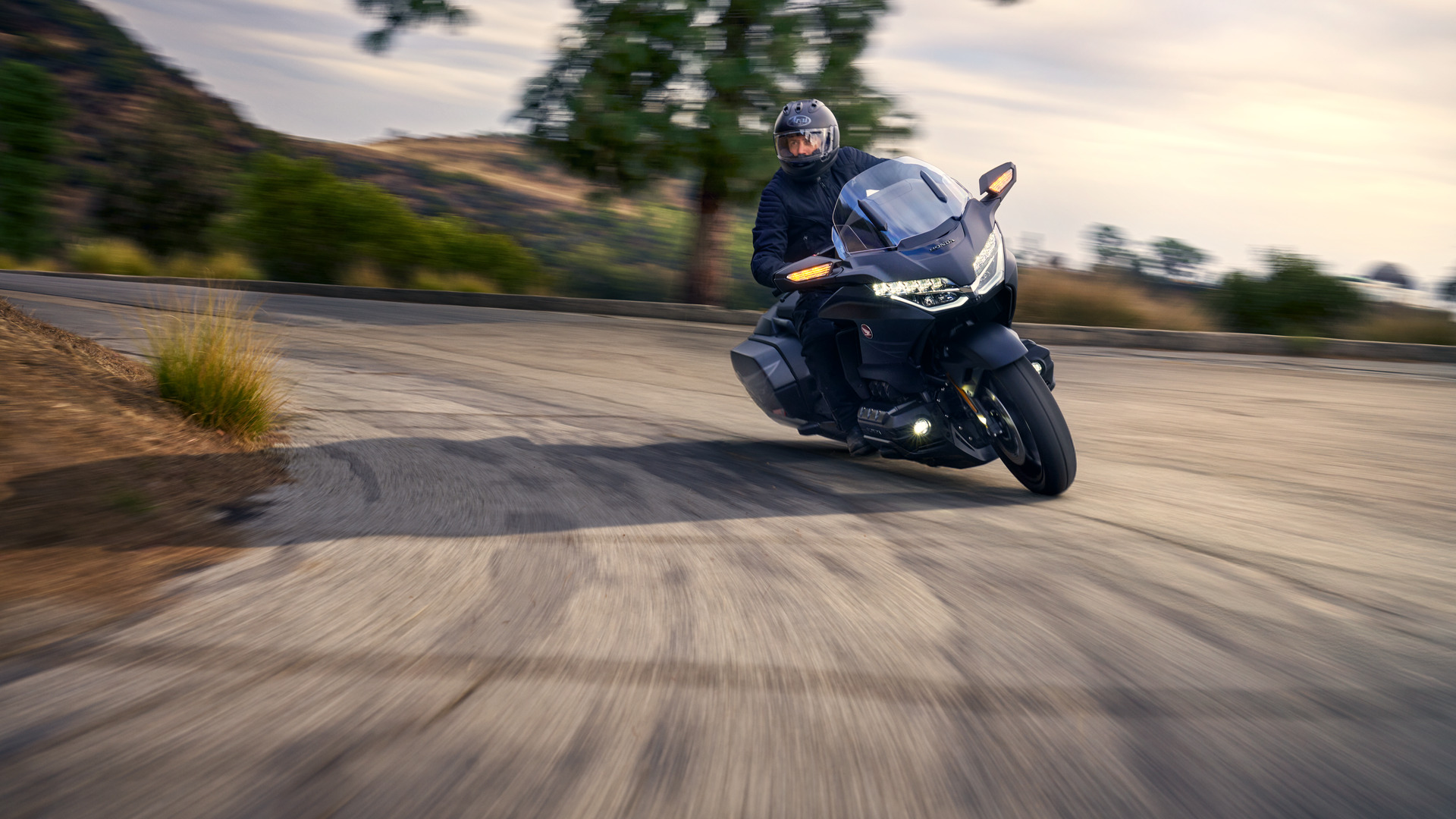
Double wishbone front suspension is fitted on the GL1800 Gold Wing models, it replaces conventional telescopic forks with upper and lower suspension arms and a single front suspension damper unit. This enables vertical movement when compressed (compared to a telescopic fork), creating more space behind the wheel and enabling the engine to be mounted further forward allowing the rider to sit further forward and improve weather protection from the cowling. The system also reduces front end dive under heavy braking, increasing the bikes stability and giving the rider a sense of security.

Unit Pro-link
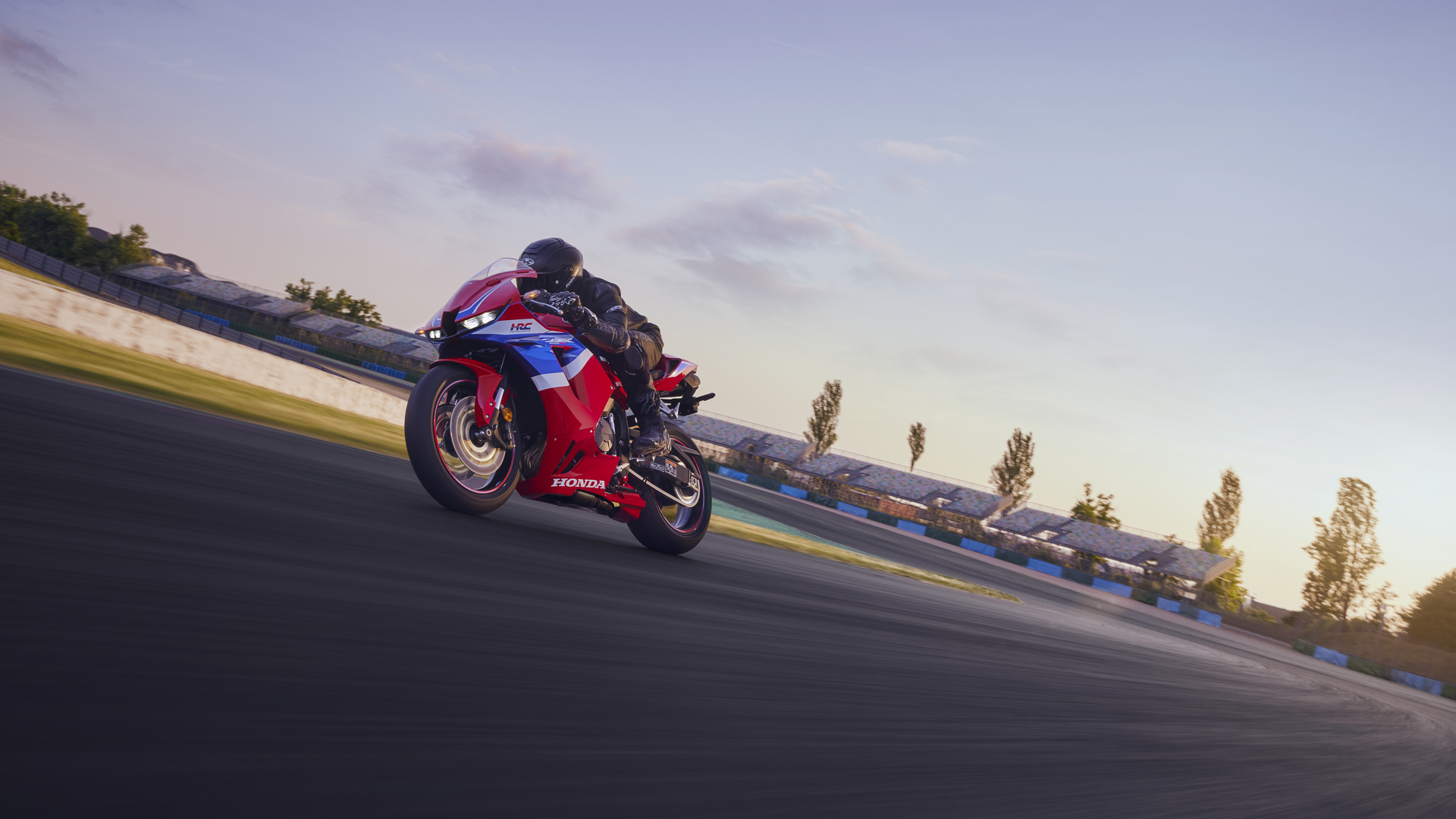
The Unit Pro-Link design features the rear suspension damper housed entirely within the swingarm, and the damper is positioned lower than in a conventional design. Both contribute to improved mass centralisation.

Pro-Arm
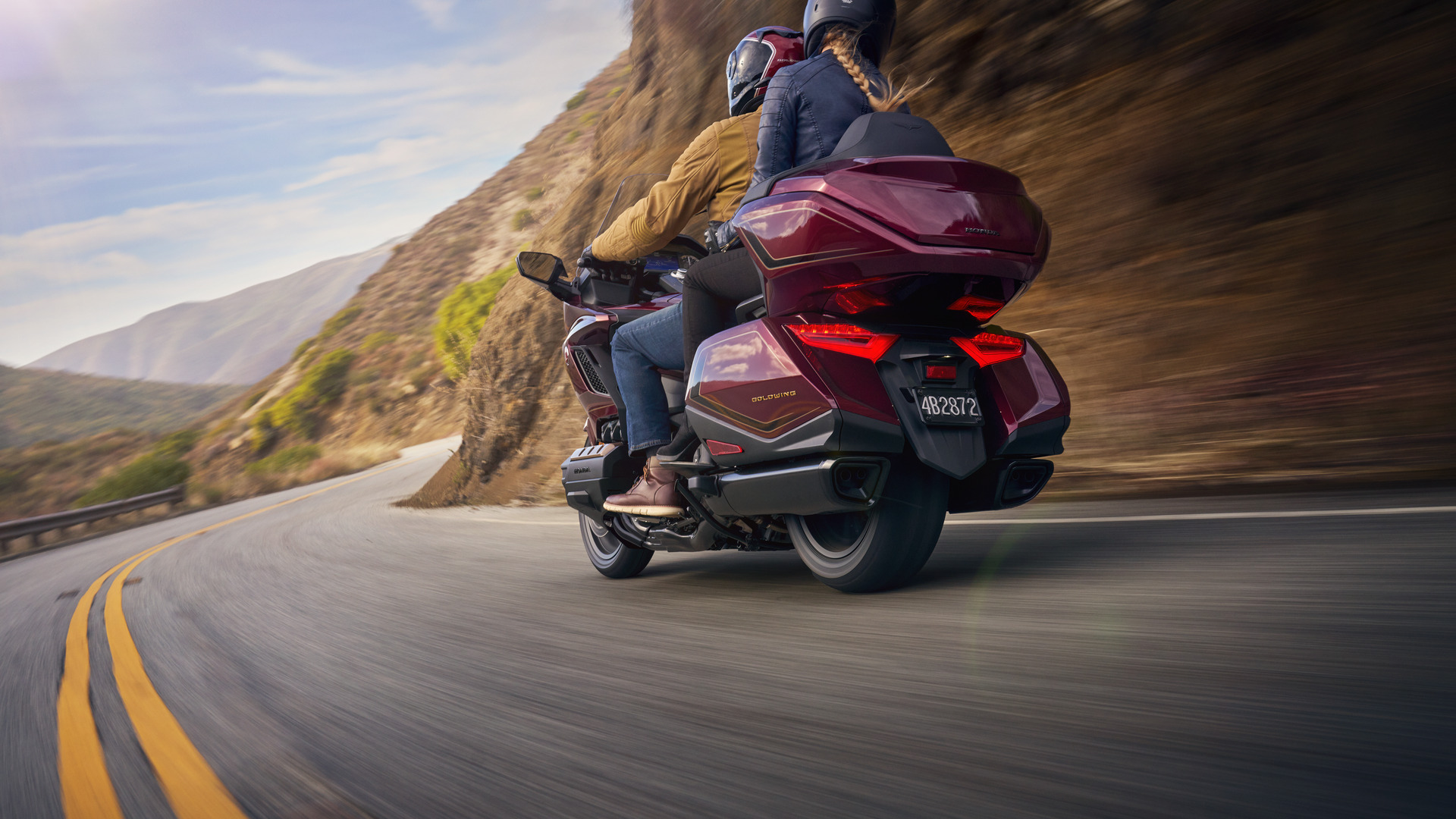
Pro-Arm is a single-sided swing arm type rear suspension. Originally developed on Honda's endurance race bikes to enable fast and easy rear wheel changes during a race, this type of swing arm design adds sporty and quality look and feel to some the sports and sports tourer models.

SFF-BP Separate Function Fork – Big Piston front forks
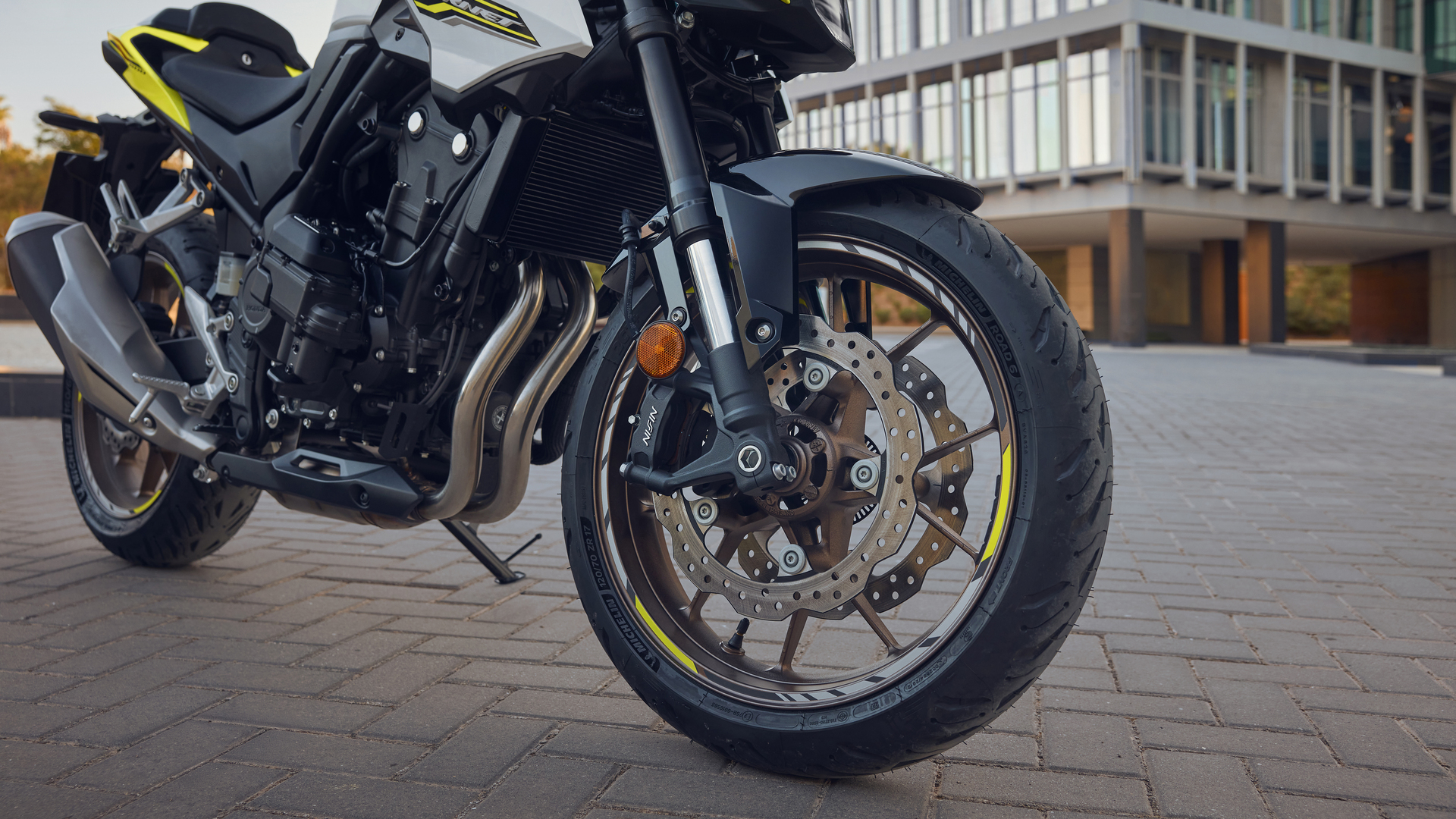
Separate Function Fork - Big Piston front forks separate spring damping function of each fork leg to ensure balanced and optimised damping control. The big-piston damper design provides linear suspension movement, even at the beginning of the suspension stroke.

Electronic suspension
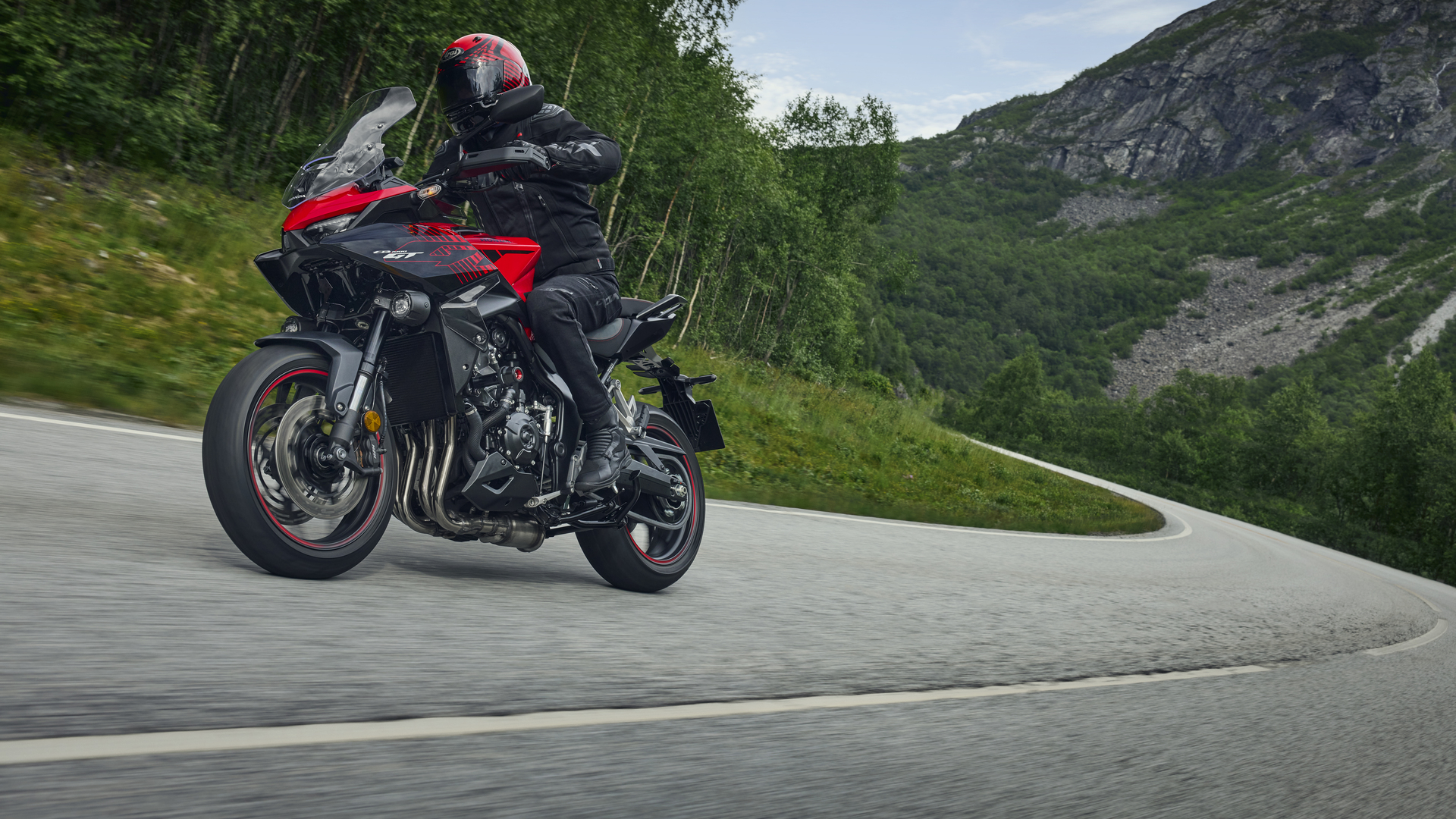
The electronic suspension system actively adjusts damping characteristics to suit the riding conditions. On some of the adventure and tourer models the rider is able to use the meter to select if a pillion and or luggage is being carried, the system then automatically adjusts the damping to suit.
Engine Mounted Unit Pro-link
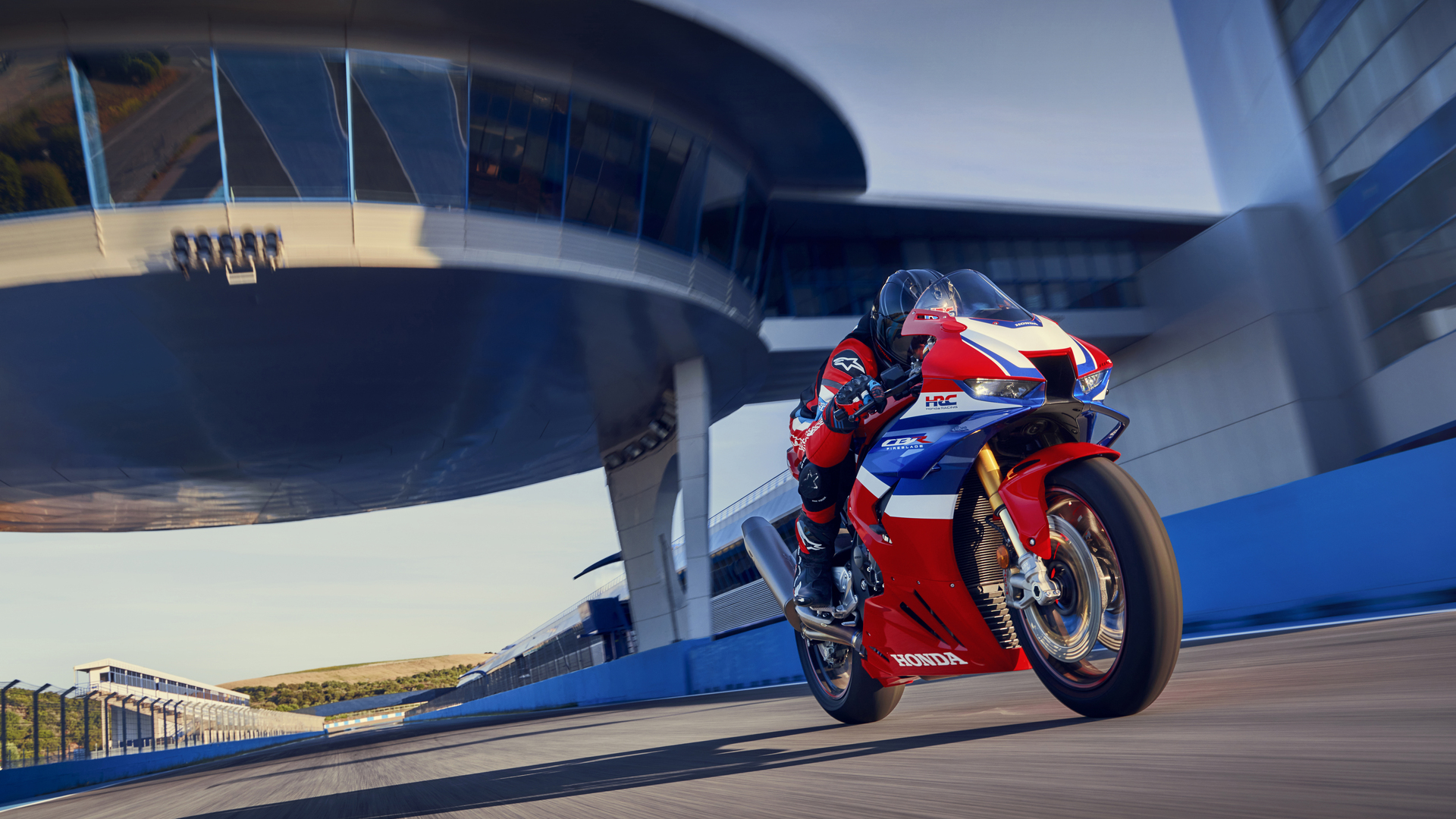
Engine Mounted Unit Pro-Link featured on some of the Honda supersport models is a unique way of mounting the rear suspension directly onto the engine. This improves rear tyre ground contact feeling and the external forces transferred to the steering through the frame are suppressed. This in turn improves high speed stability.
Convenience technology


Heated hand grips
Heated grips improve rider comfort and control during cold conditions and are now fitted as standard on some models and available as a genuine Honda accessory on much of the range.

Apple CarPlay/Android Auto
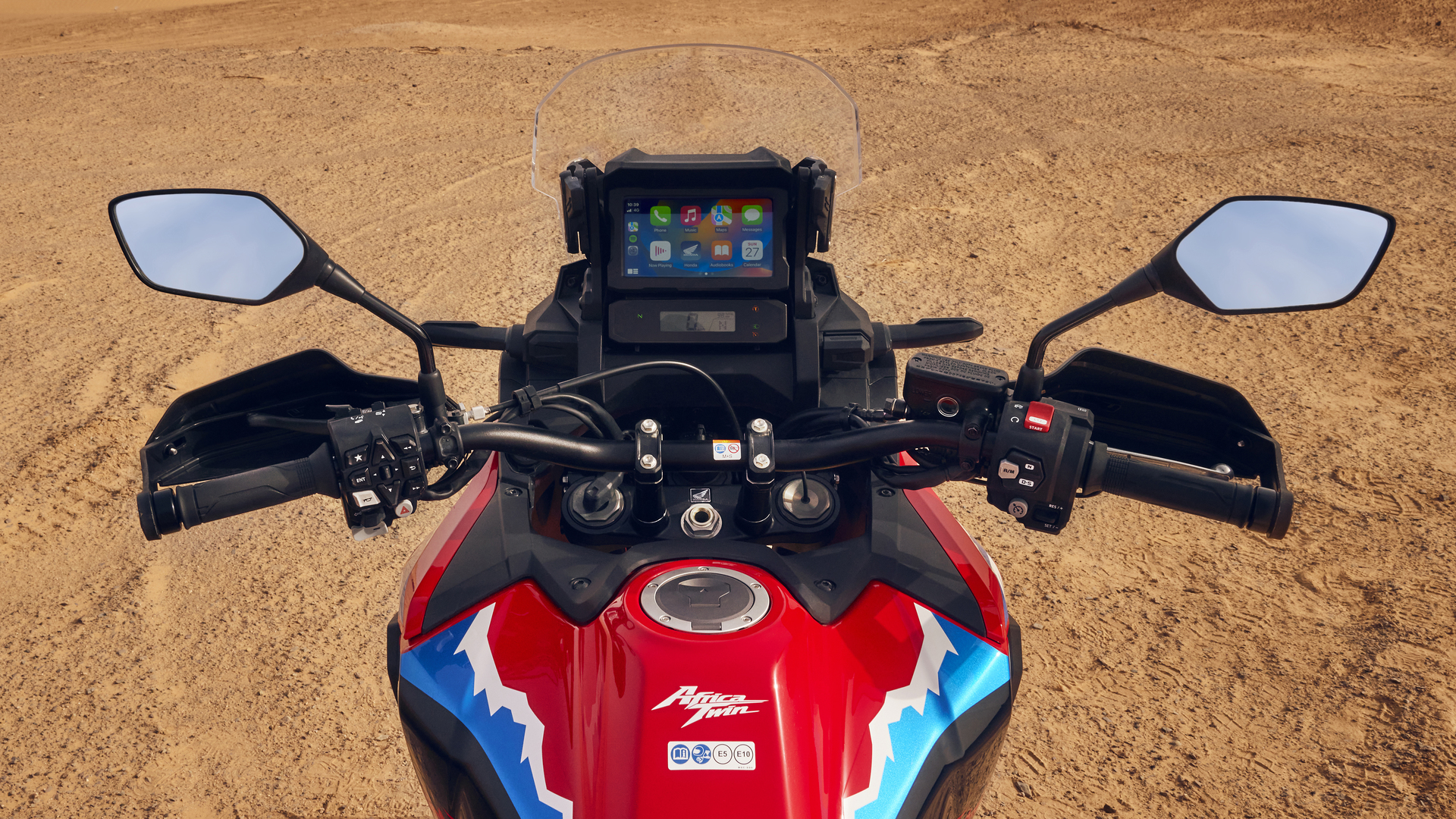
Apple CarPlay, Android Auto, and Bluetooth provide safe and easy to use intercommunication with a Smartphone. The user can make phone calls, and access music, navigation and messaging when a headset is connected. It is also possible to control the system with voice command via a headset.

Cruise Control
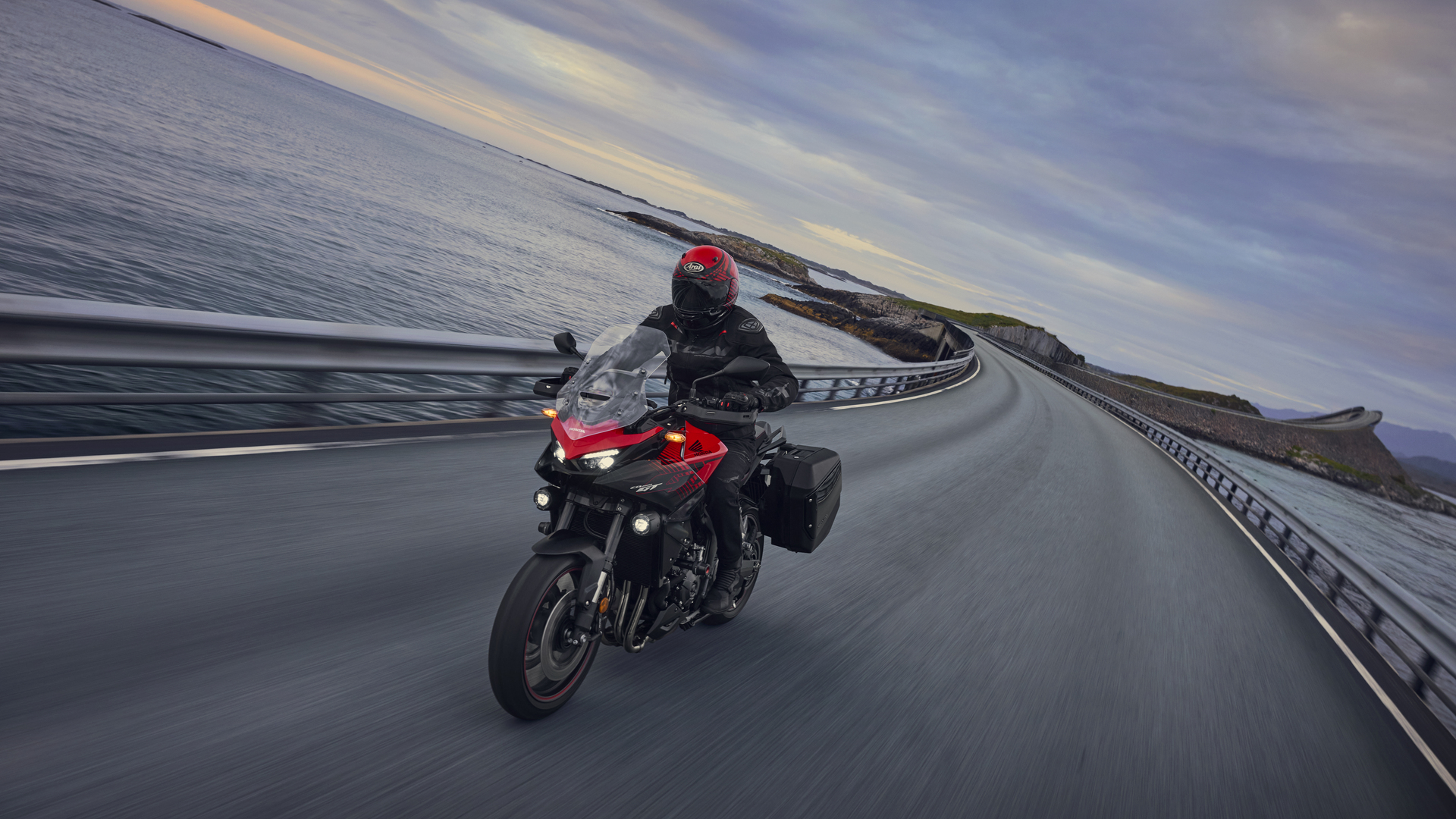
Cruise control enables precise cruising speed control and relieves prolonged use of the throttle grip during long rides and when touring on long straight roads for improved rider comfort and reduced fatigue.
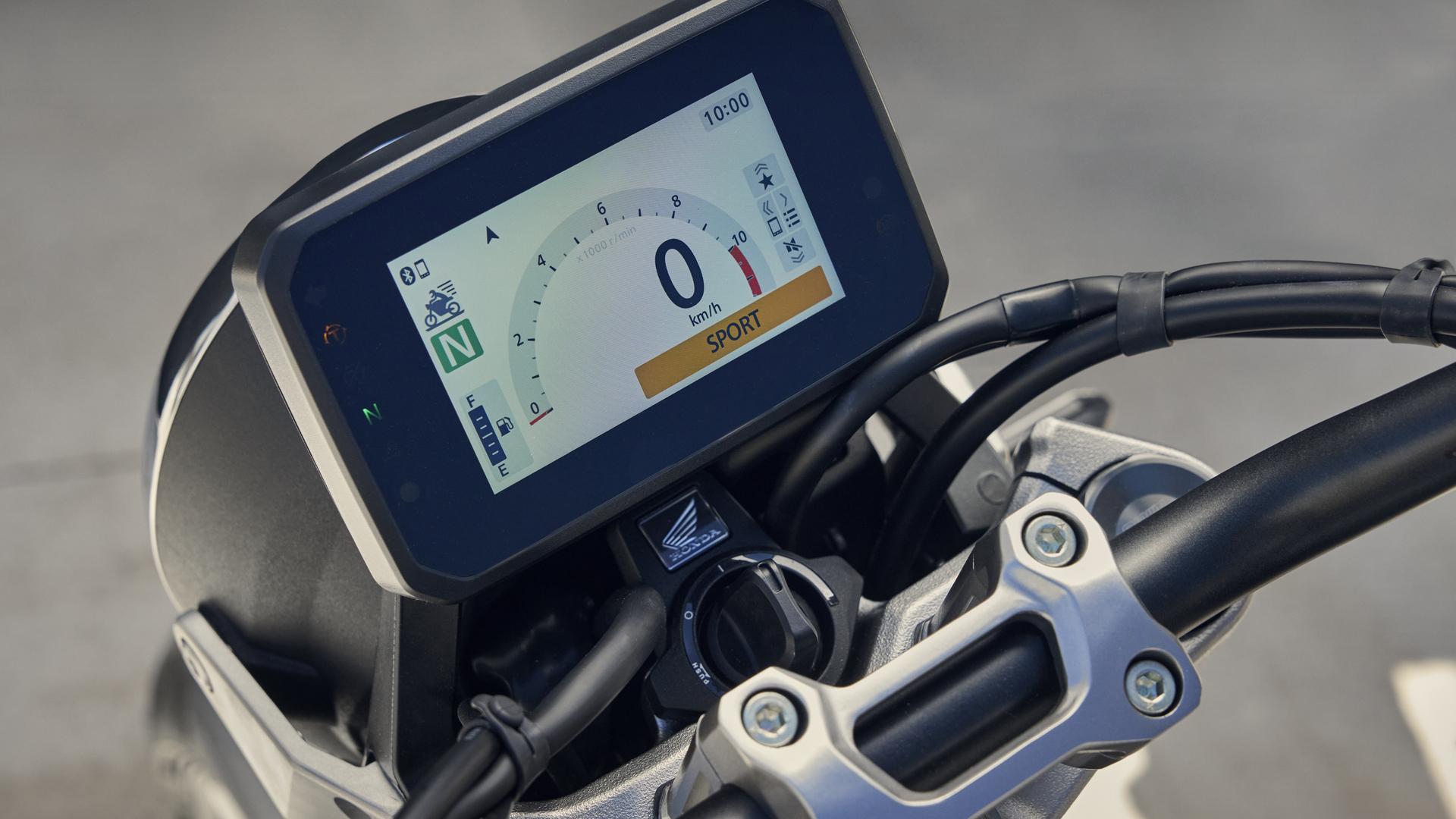

Selectable riding modes
Selectable riding modes enable the rider to select pre-set and customisable user modes. These modes alter the levels of power delivery, HSTC and engine braking to suit the rider preference or riding conditions.

Honda RoadSync
Honda RoadSync enables full connectivity of the motorcycle through the Honda RoadSync app via a smartphone. This gives the rider access to calling, messaging and music via Bluetooth.
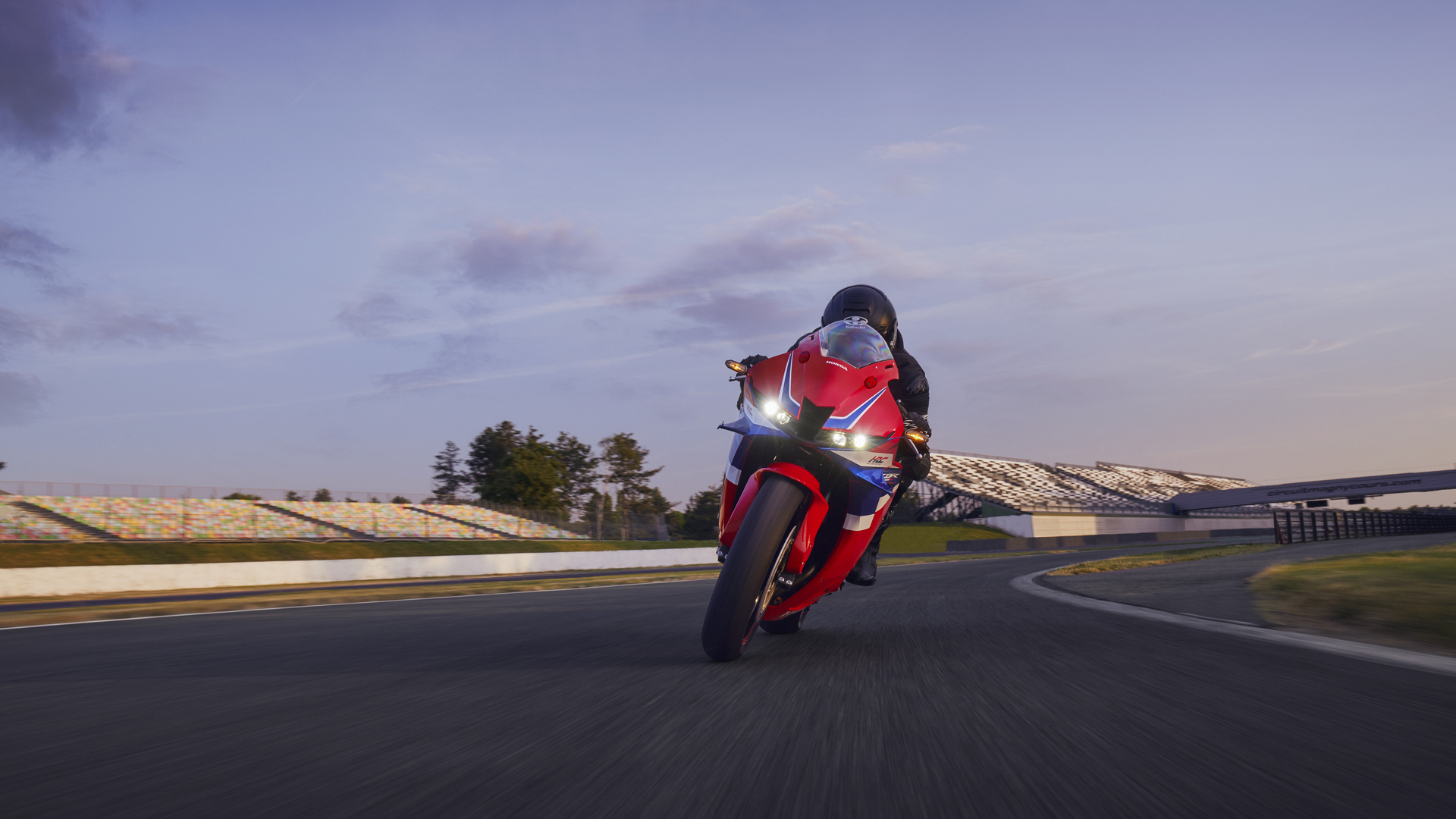

Quick shifter
A quick shifter enables clutch less shifting to provide more sporty and engaging riding characteristics. Additionally it offers smoother gear changing when carrying a pillion.
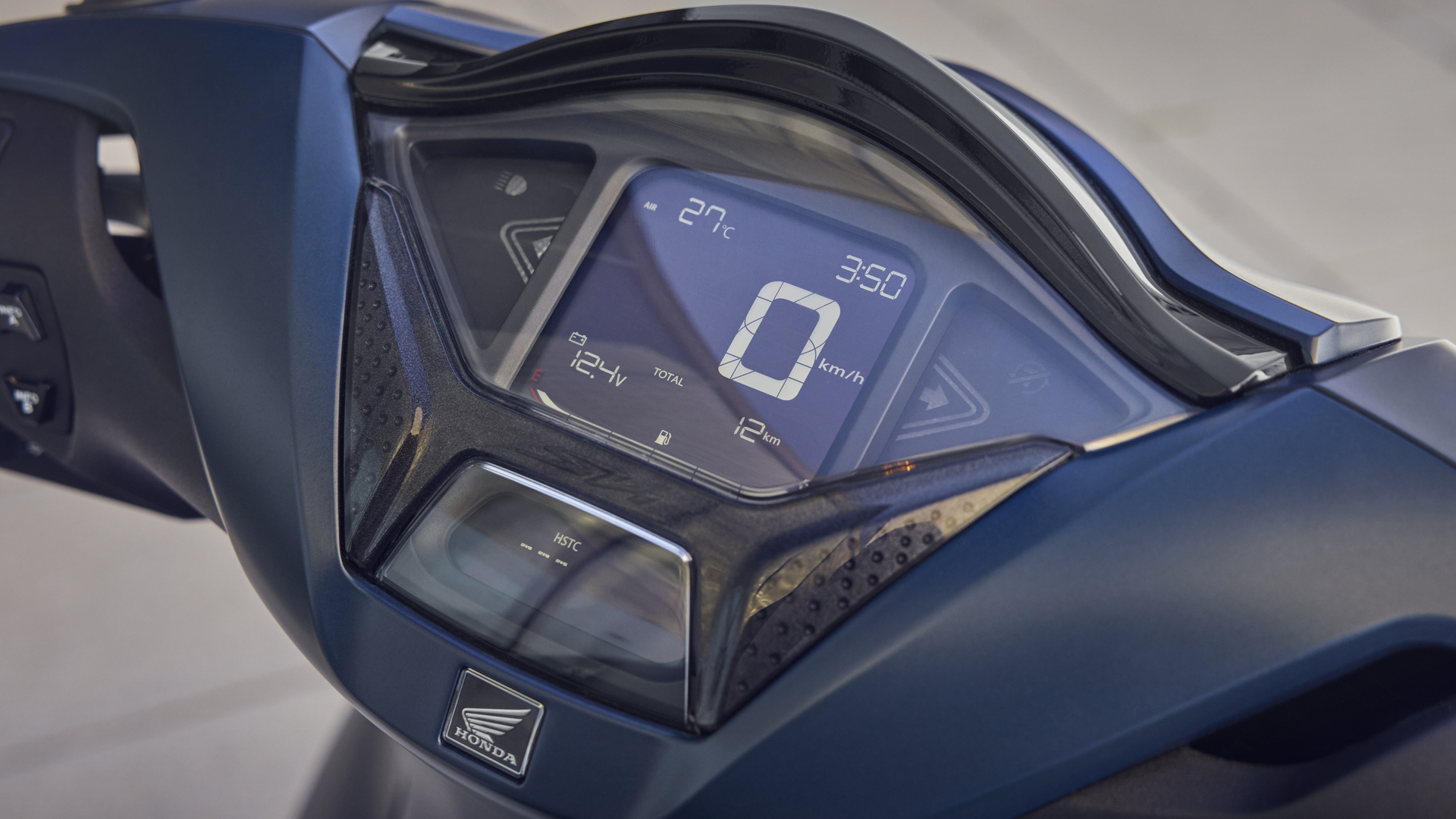

LCD screen
Liquid Crystal Display (LCD) meters offer intuitive and easy to read rider information in a compact and lightweight form.

Electronically adjusted front screen
The electronic screen function offers seamless screen hight adjustment at the touch of a button and whilst on the move.

Front screen park function
The automatic park function lowers the screen when the main switch is switched off to ensure convenience and visibility when manoeuvring the bike. After the ignition is switched on the screen returns to the previously selected height when a pre-set speed is reached.
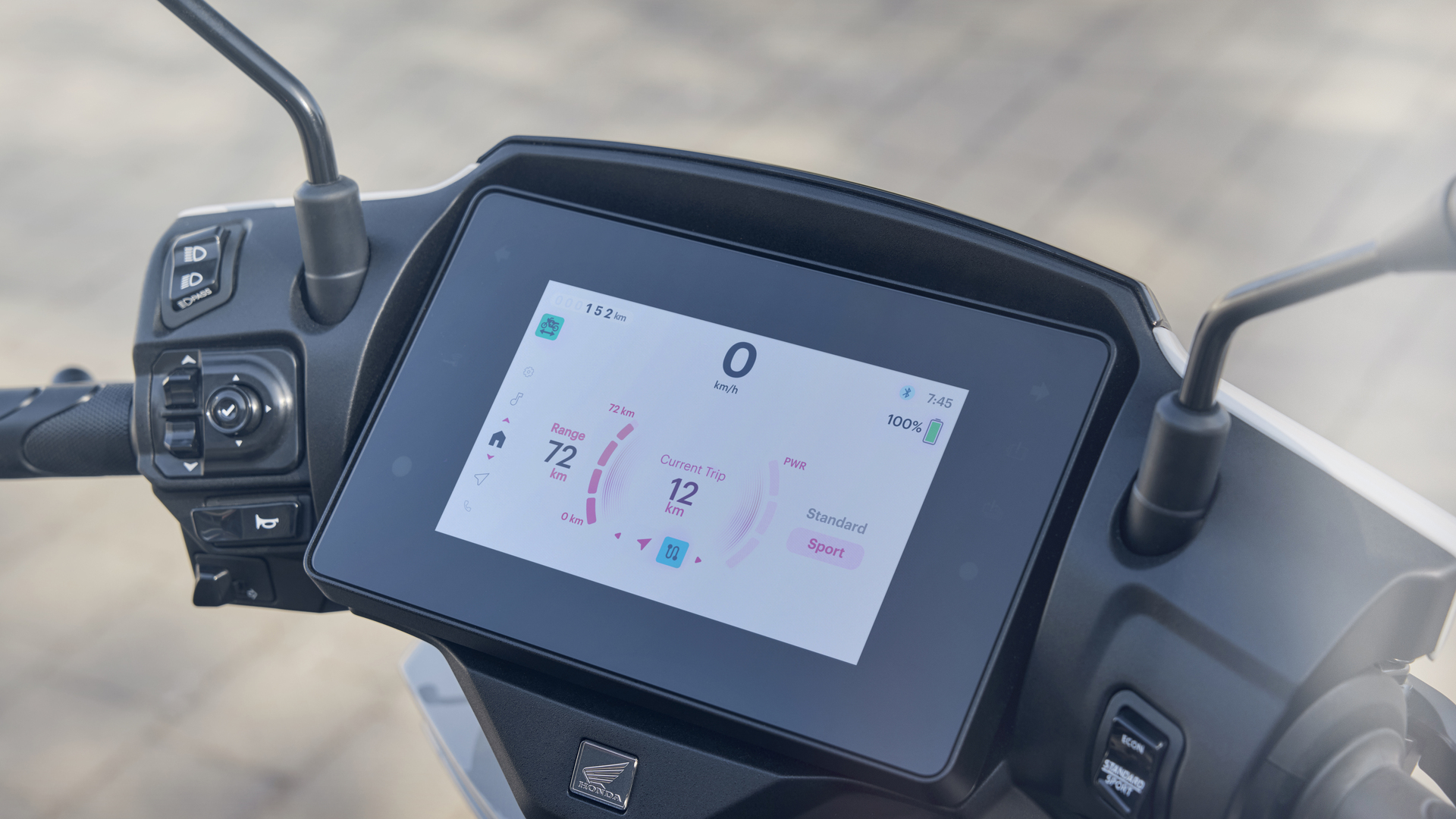

IVI In-vehicle Infotainment System
The system consists of an IVI control unit, a GPS antenna, a TFT meter, and a multi-function selection switch. By installing the Honda RoadSync Duo compatible app onto the customers smartphone, they can access premium connectivity services.
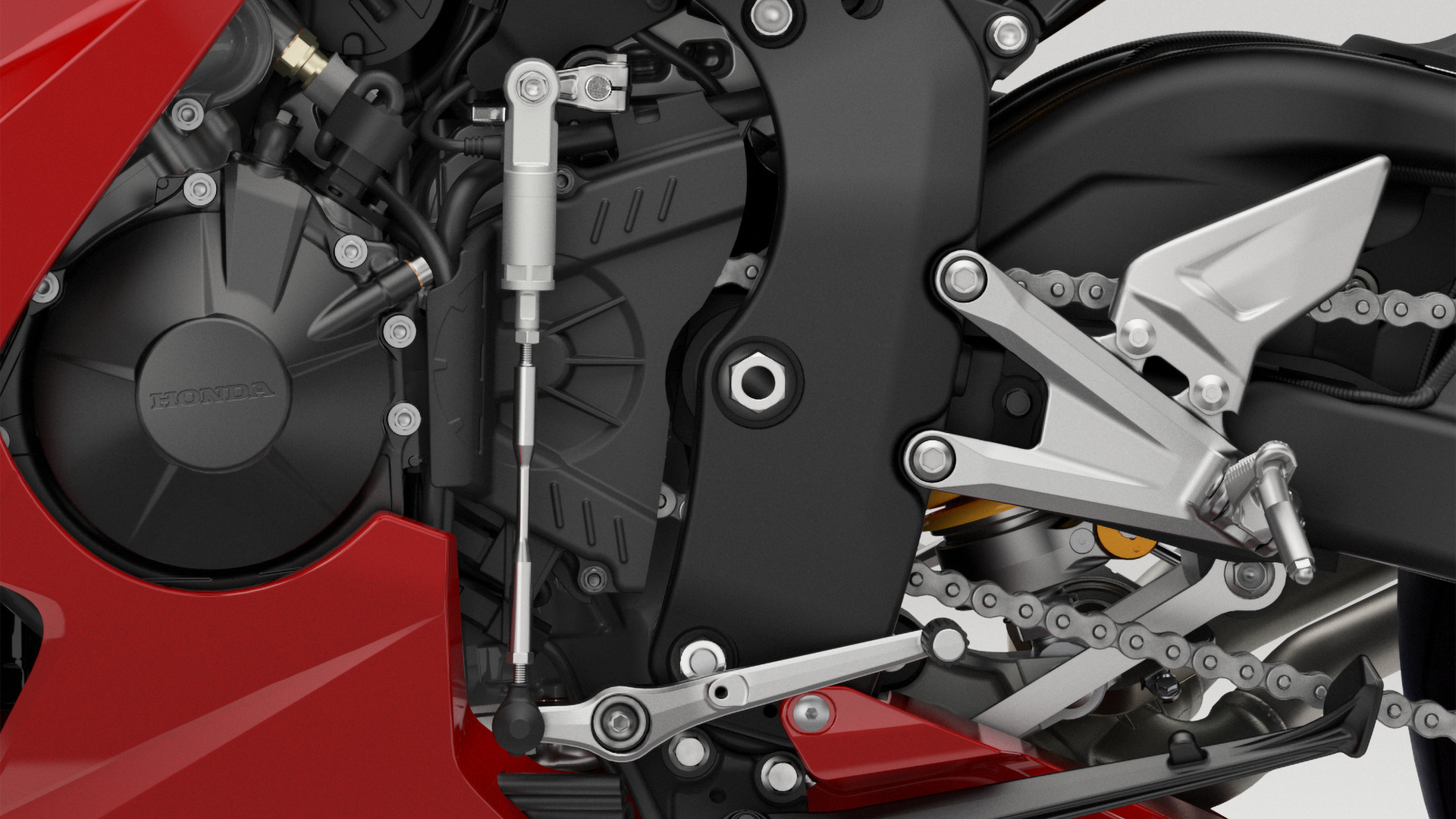
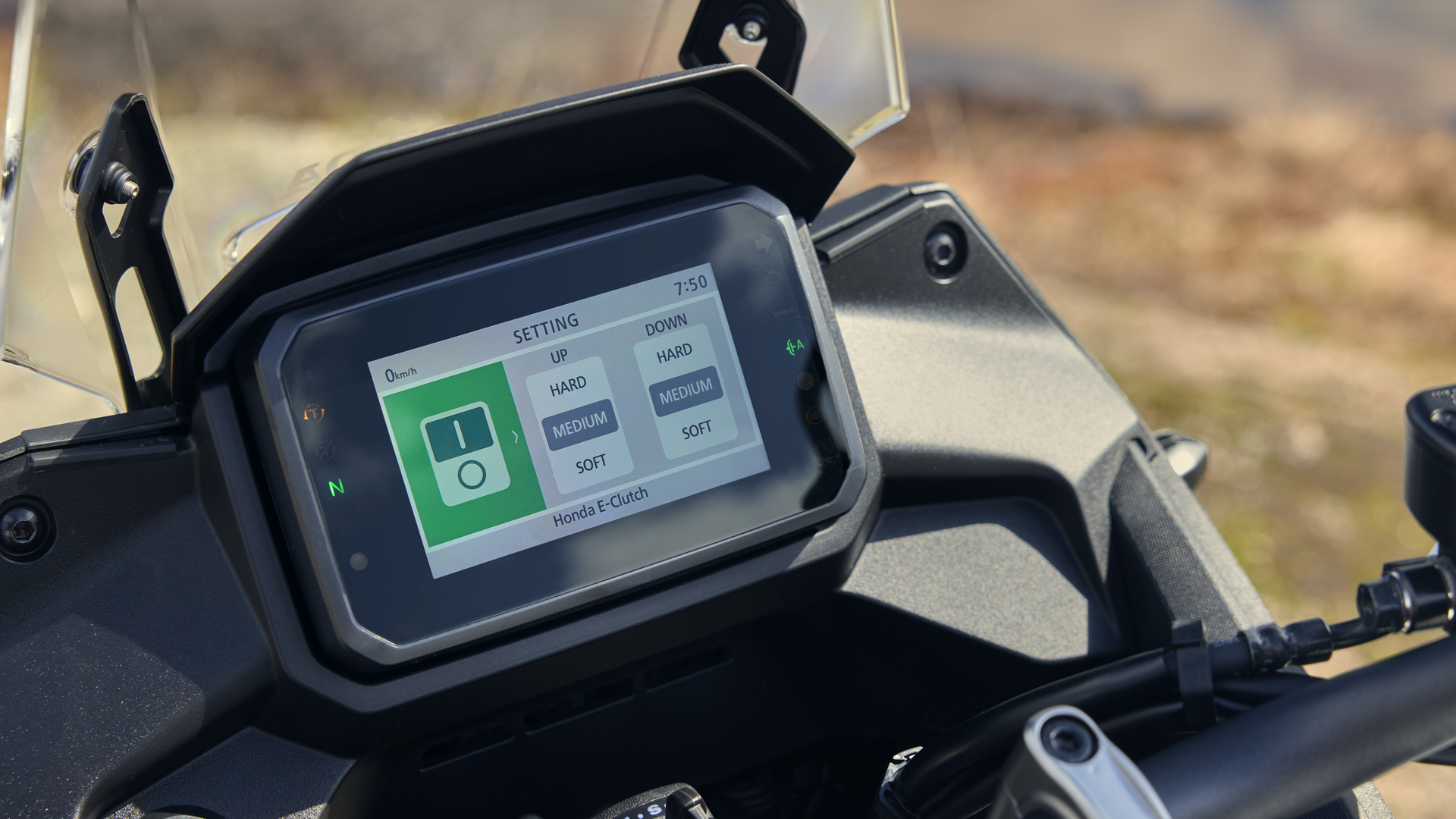
Selectable quick shifter with auto blip
With this system the reaction of the quick shifter can be adjusted by the rider via the meter, this alters the shifting responsiveness and feel. The auto blip function automatically blips the engine to raise RPM to the optimum amount for smooth and seamless downshifts.
Honda RoadSync Duo
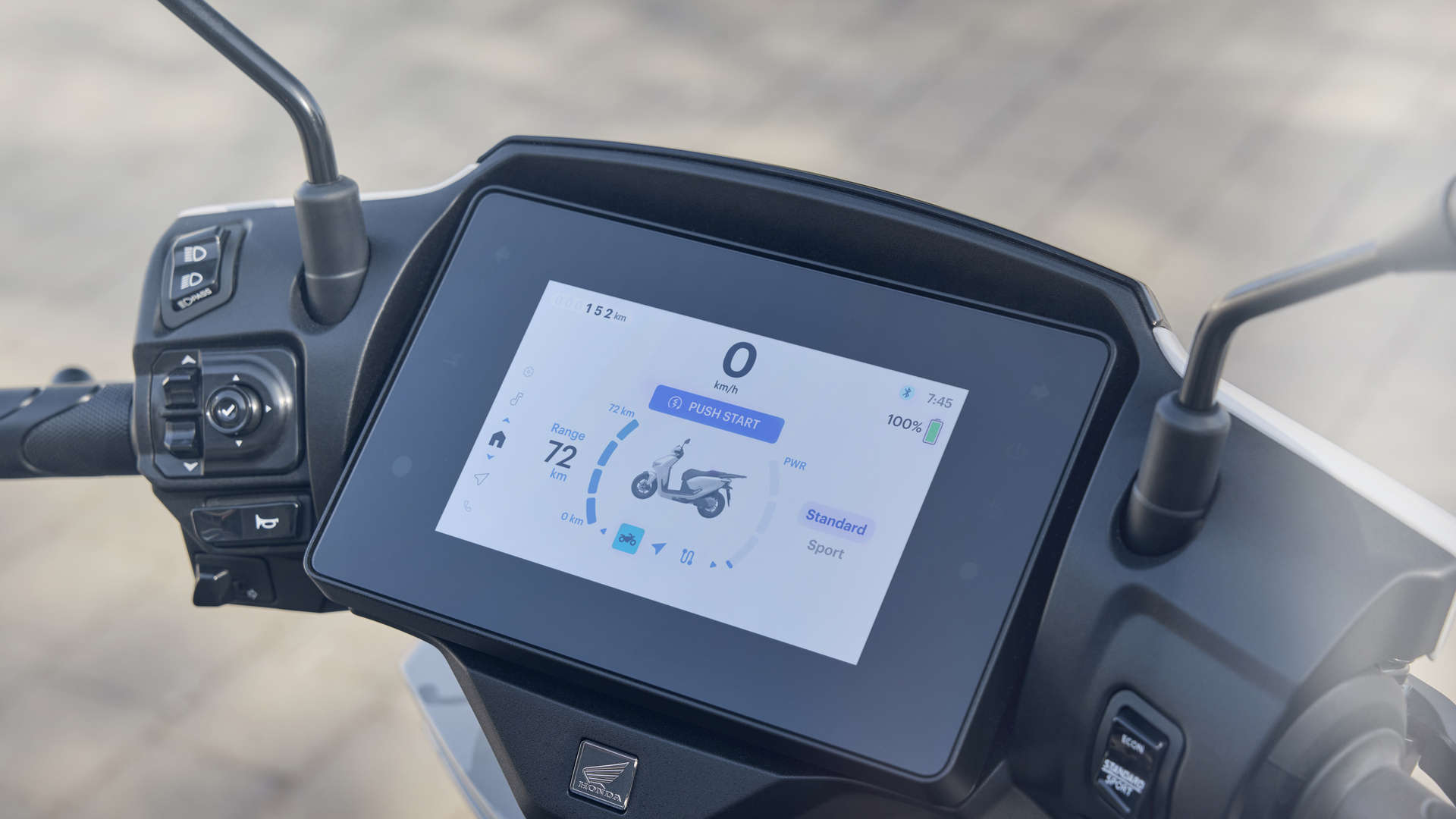
Honda RoadSync Duo features all of the benefits from Honda Roadsync, additionally it is equipped with a control unit and GPS antenna. This enables premium connectivity services based on the vehicle status and includes, full map navigation tailored for motorcycle use, route planning based on battery state of charge, and range (electric vehicle), motorcycle maintenance notifications and alerts, and electric vehicle-related information alerts, plus more.


Heated seats
Heated seats offer both rider and passenger (depending on model) the comfort of controlled seat heating to maintain optimum riding comfort in colder conditions.

TFT screen
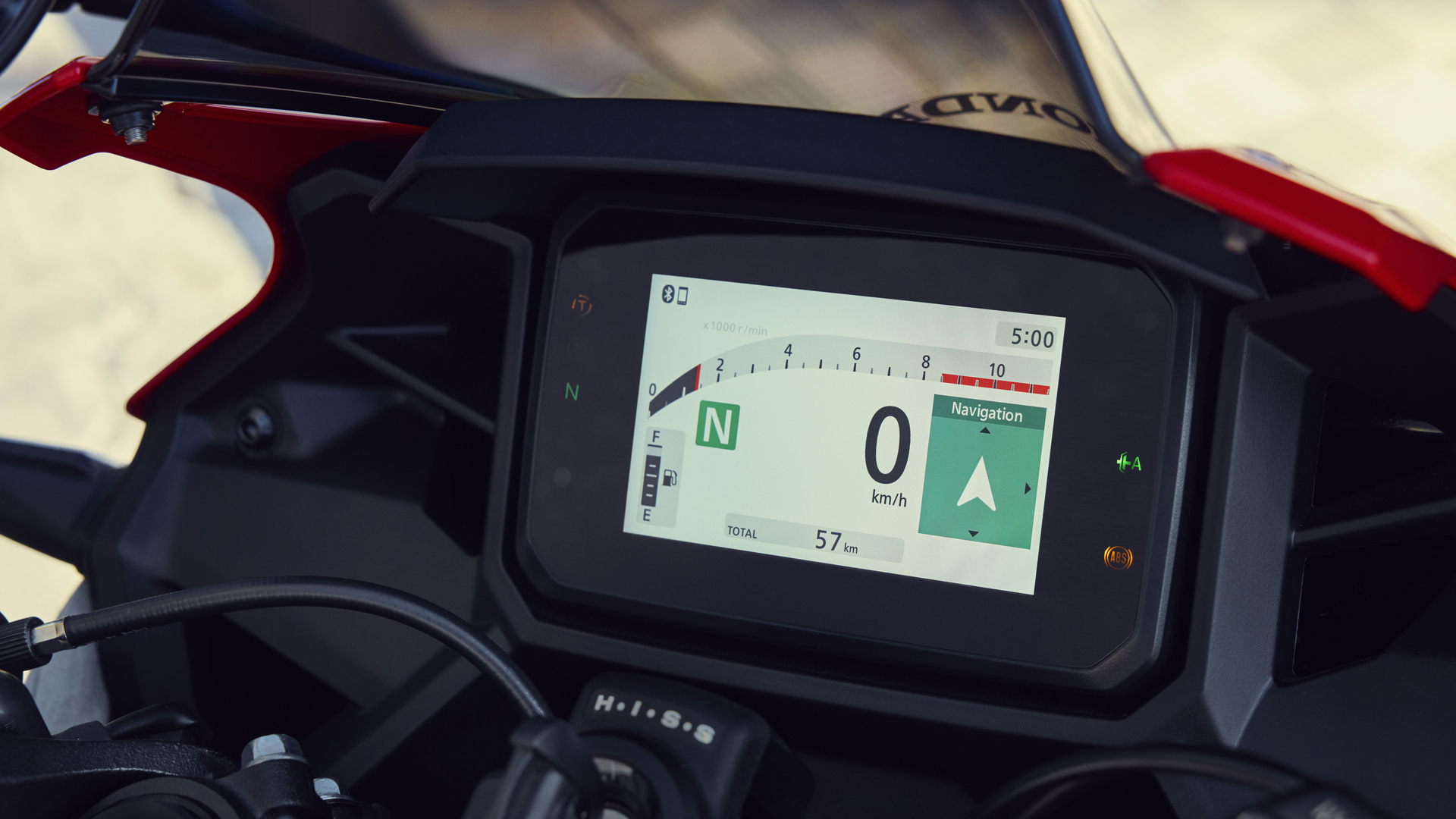
Thin Film Transistor (TFT) technology is now integrated into the meter on many of the Honda motorcycle and scooter range. This type of colour display provides clear and concise user information and integrates touch screen technology on some models.
Engine technology

TBW Throttle By Wire
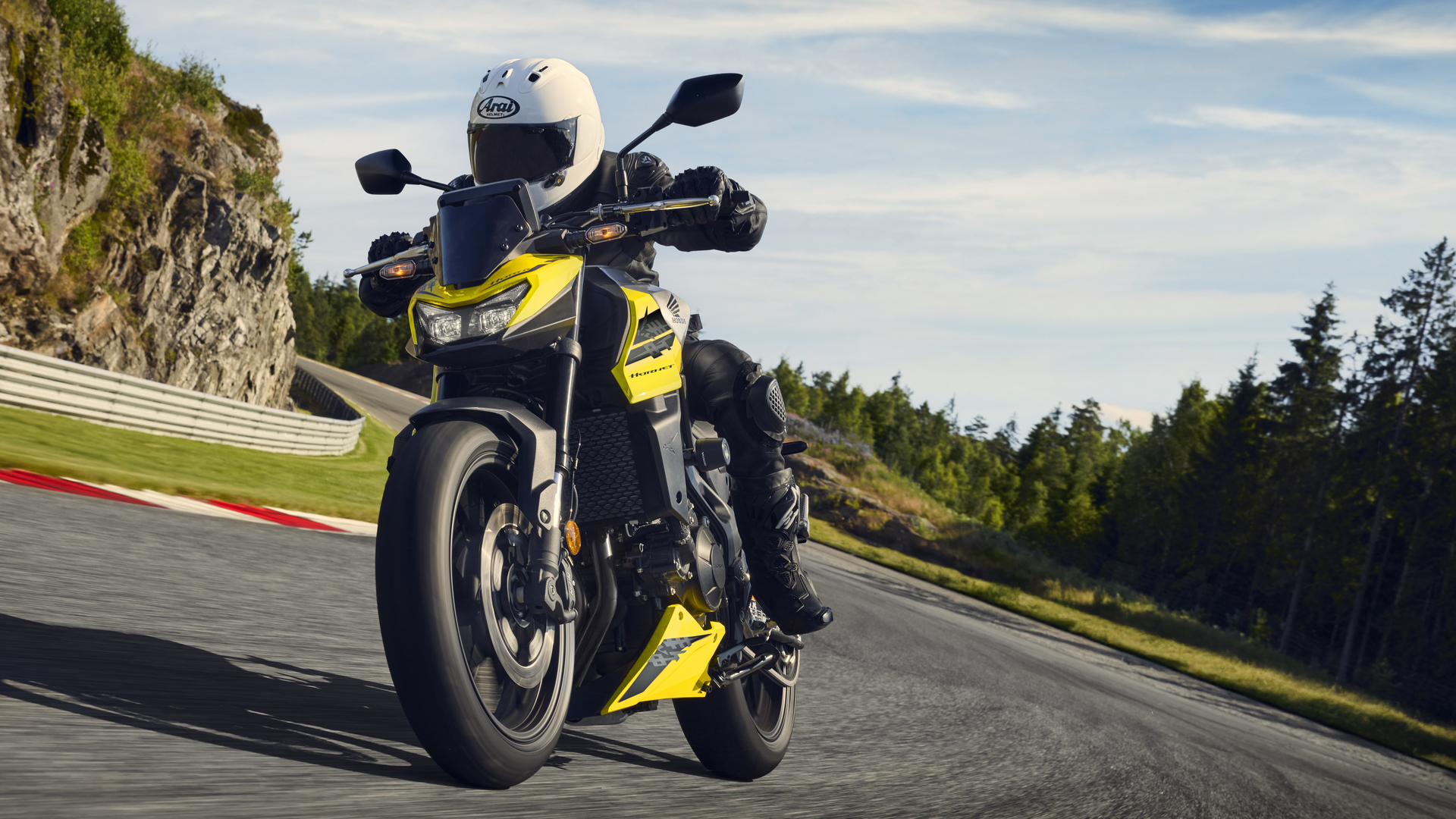
The Throttle By Wire (TBW) systems use electronics to control opening and closing of the throttle valves and eliminates the mechanical connection between the throttle grip and throttle valves. TBW enables the PGM-FI system to precisely control throttle opening throughout the RPM range to delivery controlled and progressive torque. It also enables the use of rider aid systems such as, selectable riding modes, Honda Selectable Torque Control (HSTC), wheelie mitigation and selectable levels of power and engine braking.

Semi Gear driven camshafts
The semi-cam gear train system uses both a cam chain and an additional idle gear to drive the camshafts. The idle gear is driven directly from the crankshaft and reduces the cam chain length required, this in turn enables higher levels of engine RPM and torque to be obtained. Additionally it also reduces the risk of chain deflection, and maintains cam to crank synchronicity and chain durability at higher RPM.

DLC Diamond-Like Coating
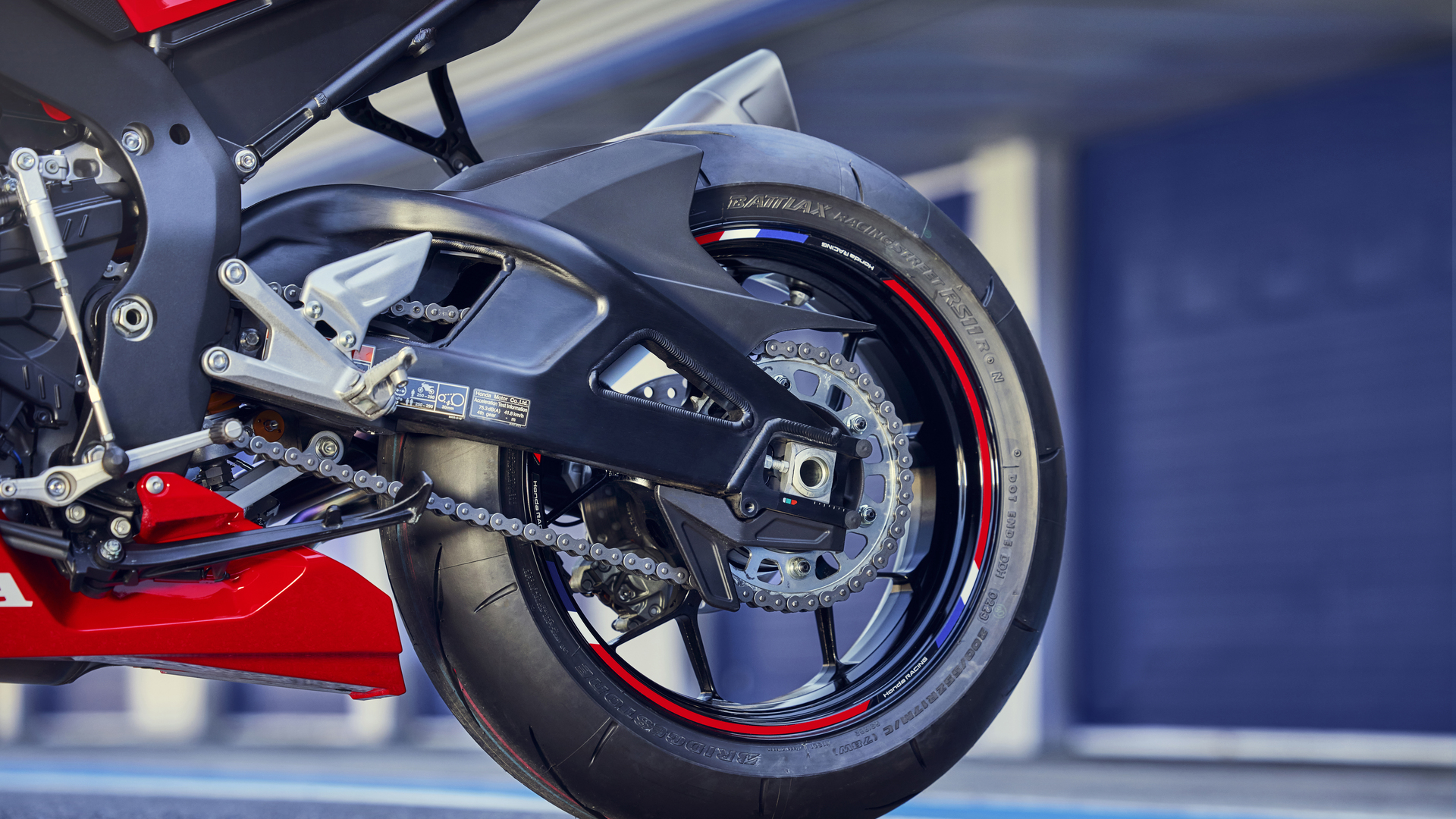
Some of the Honda super sport models are fitted with Diamond-Like Carbon (DLC) coated camshafts. This coating technology has a low coefficient of friction and has been adopted directly from the RC213V-S. It reduces the valve train losses caused by friction. The reduction of friction between the component surfaces ensure improved efficiency and durability of the valve train components.

DSFI Dual Sequential Fuel Injection
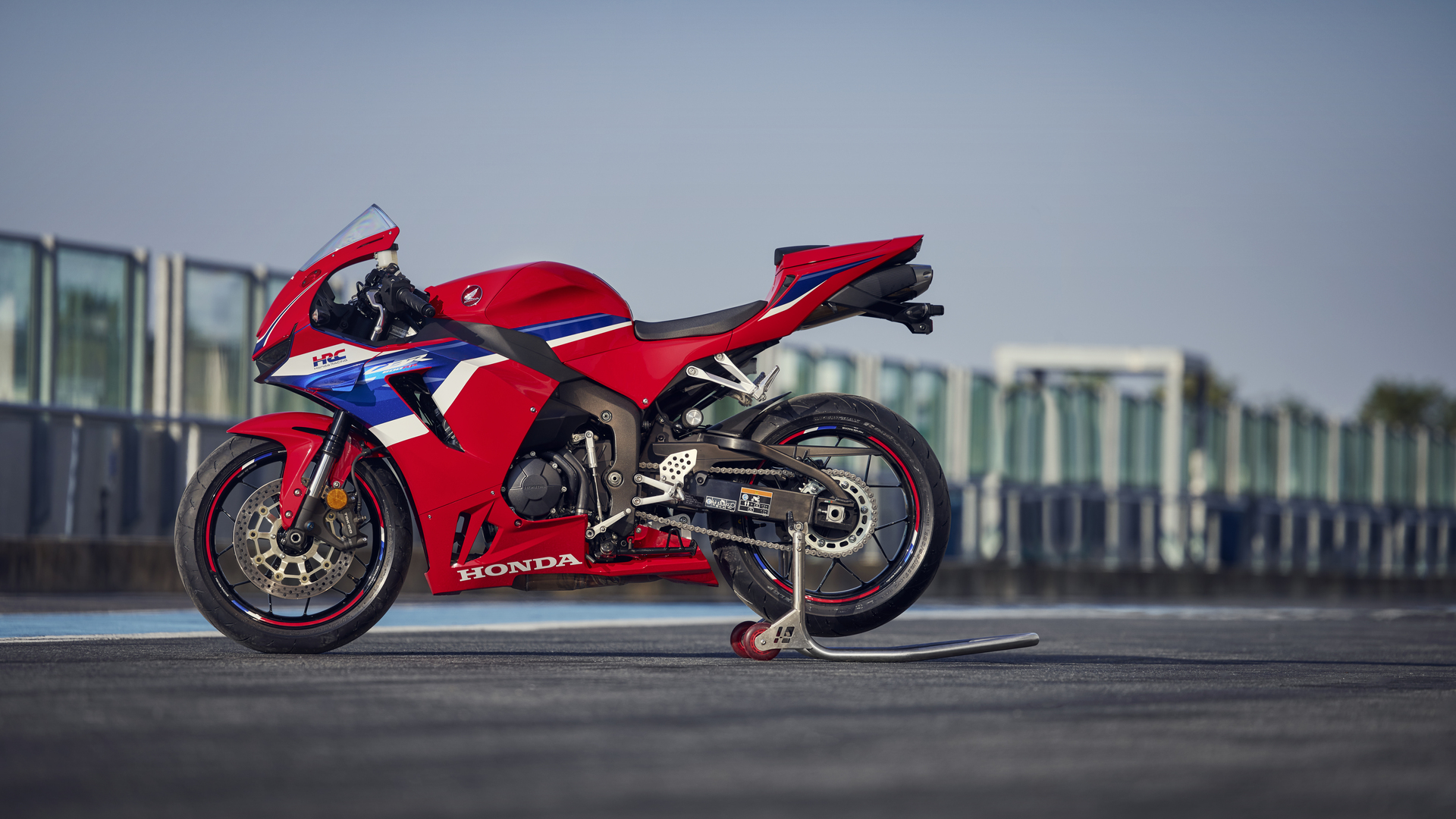
Dual Sequential Fuel Injection (DSFI) features an additional set of fuel injectors located upstream of the inlet tracts. These injectors operate at higher RPM to increase the fuel air volume and optimise torque and power delivery.

Idling stop system
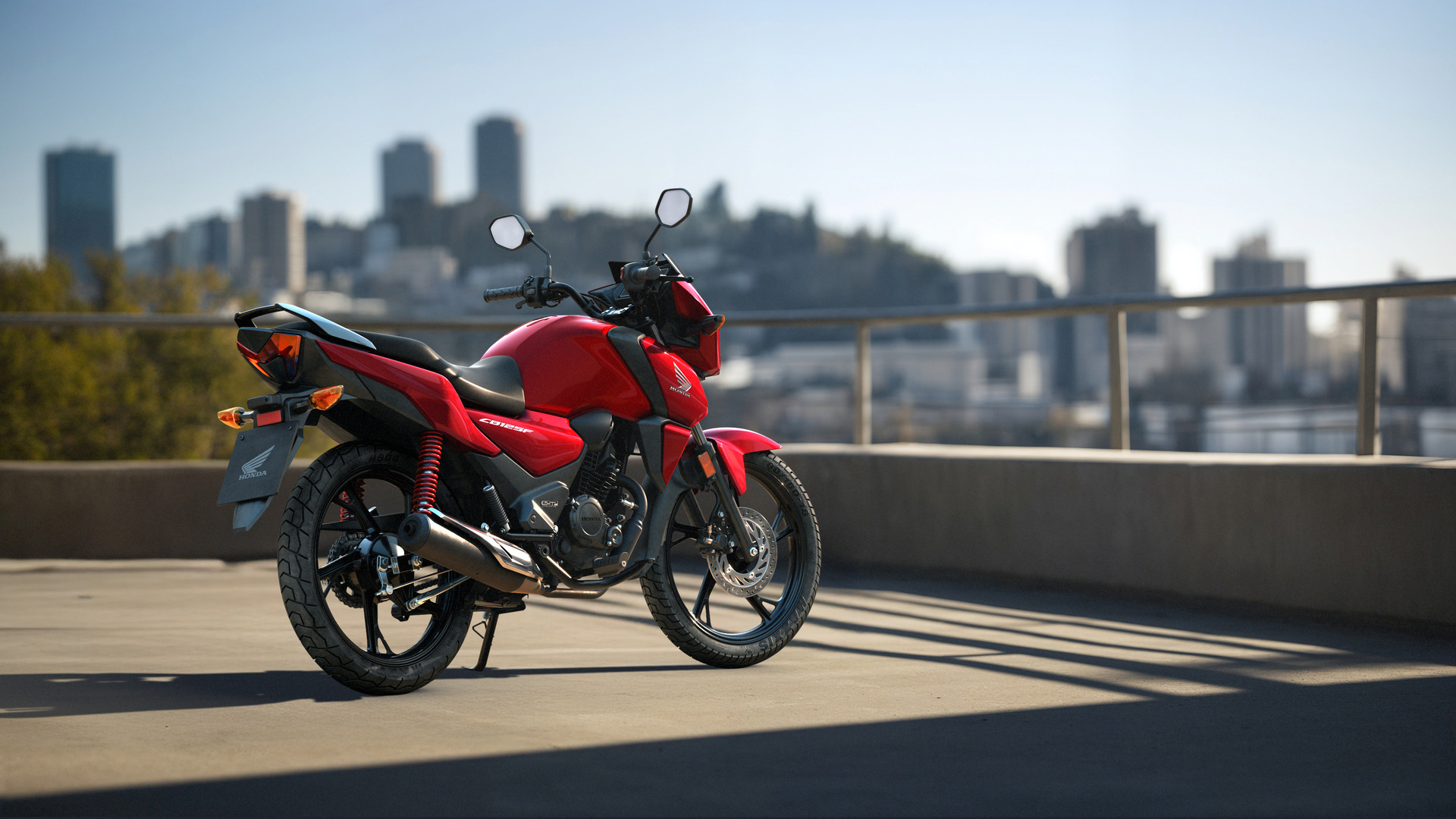
The idling stop function works in conjunction with the integrated starter-generator unit and switches off the engine when the rider stops to reduce emissions. The starter-generator then restarts the engine seamlessly as soon as the rider opens the throttle to pull away.

Integrated Starter-Generator
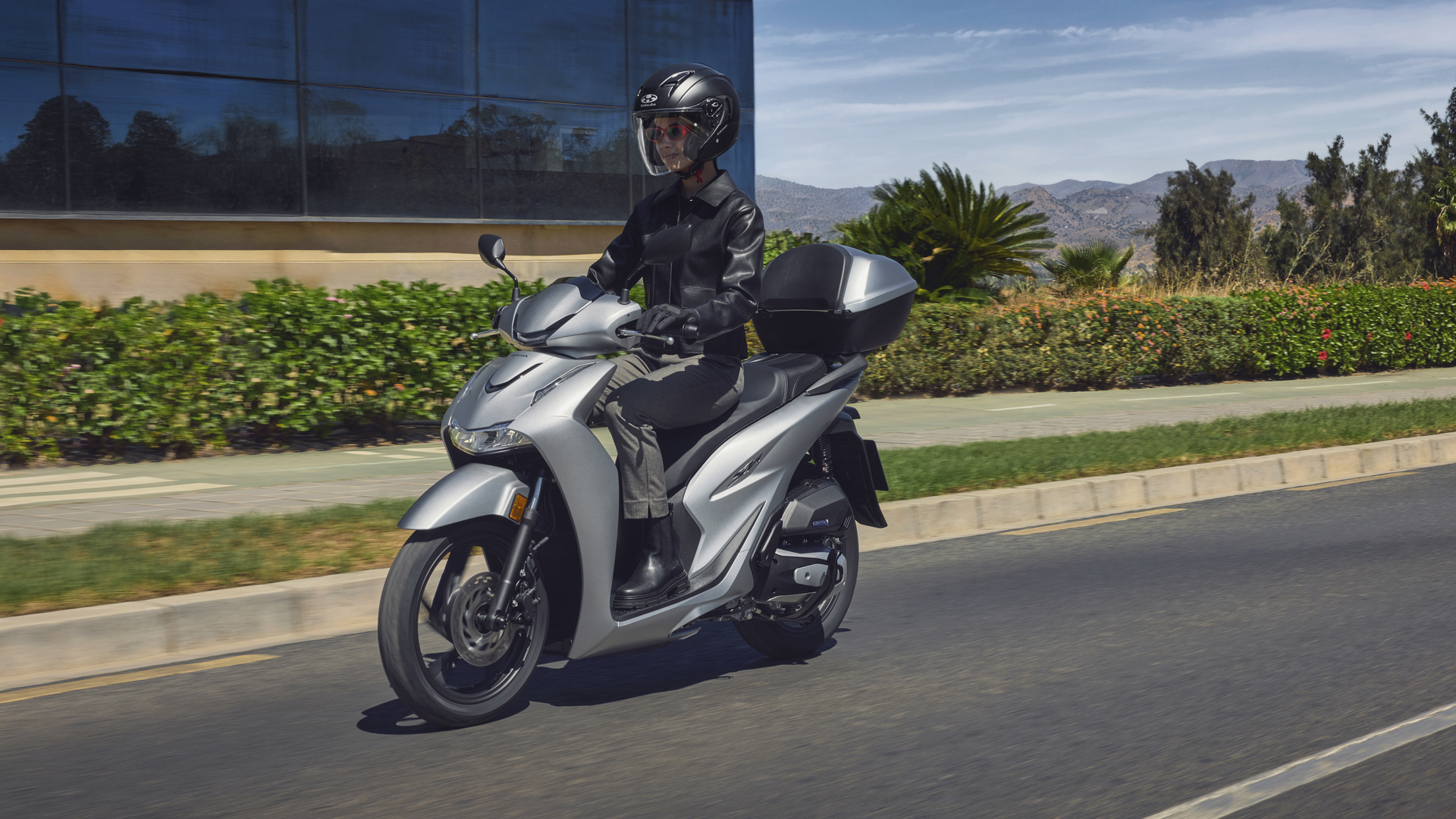
The integrated stater generator combines the operation of starting the engine and charging the battery for seamless starting and optimised charging. This system also enables the integration of the idling stop function on some models.
ESP Enhanced Smart Power
The latest generation of Honda scooter models are equipped with the Enhanced Smart Power (ESP+) engine. This highly practical power unit has been developed with many refinements to ensure efficient output characteristics and low fuel consumption as well as providing quiet operation and excellent durability.
EV technology

Walking Speed Mode
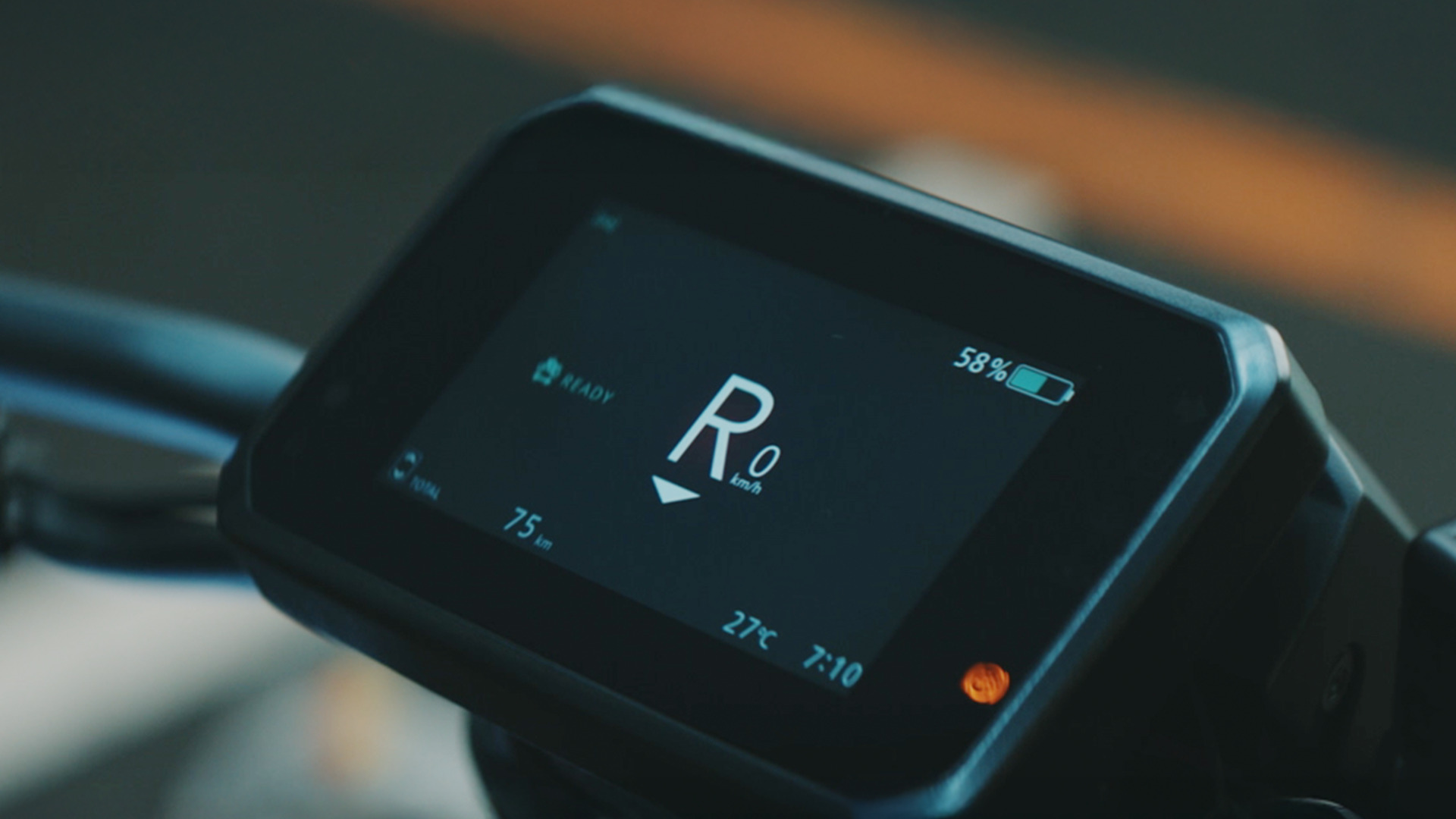
The low-speed forward and reverse assist system support manoeuvring in tight spaces and enables the rider to engage reverse drive at a controlled speed. The rider can press the start/reverse switch to activate walking speed mode (this is displayed on the meter). The motorcycle will then drive slowly and reduces the burden where manual effort alone is insufficient (on steep inclines and narrow parking spaces).

MPP Mobile Power Pack e
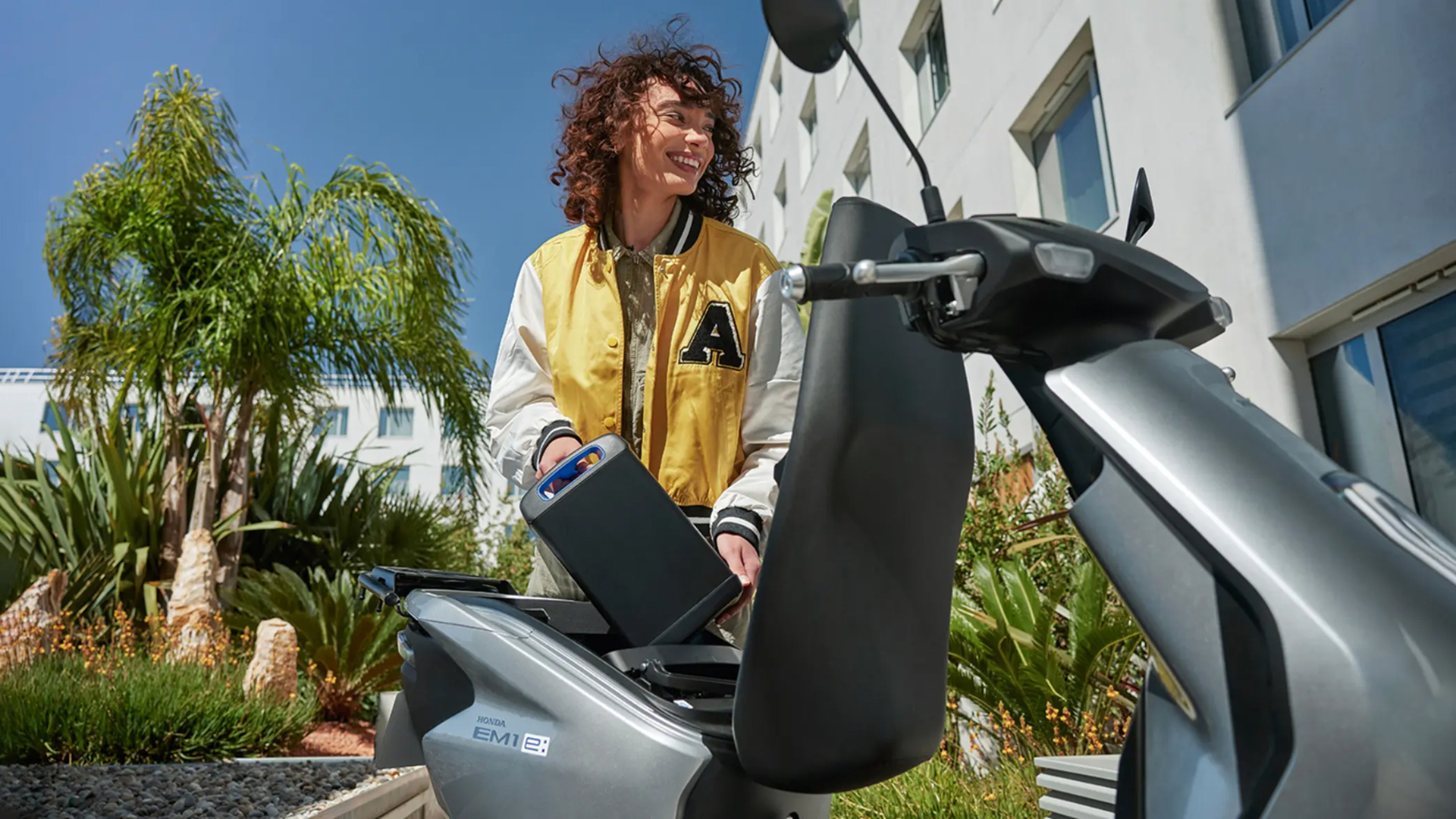
Honda's electric scooter models benefit form the convenient pull-out and swappable battery concept and are equipped with Honda's removable lightweight battery system Mobile Power Pack e: (MPP). The MPP systems enables swapping of the battery for continued use and extended range and features the very latest lithium-ion battery technology.
Active Speed Limiter
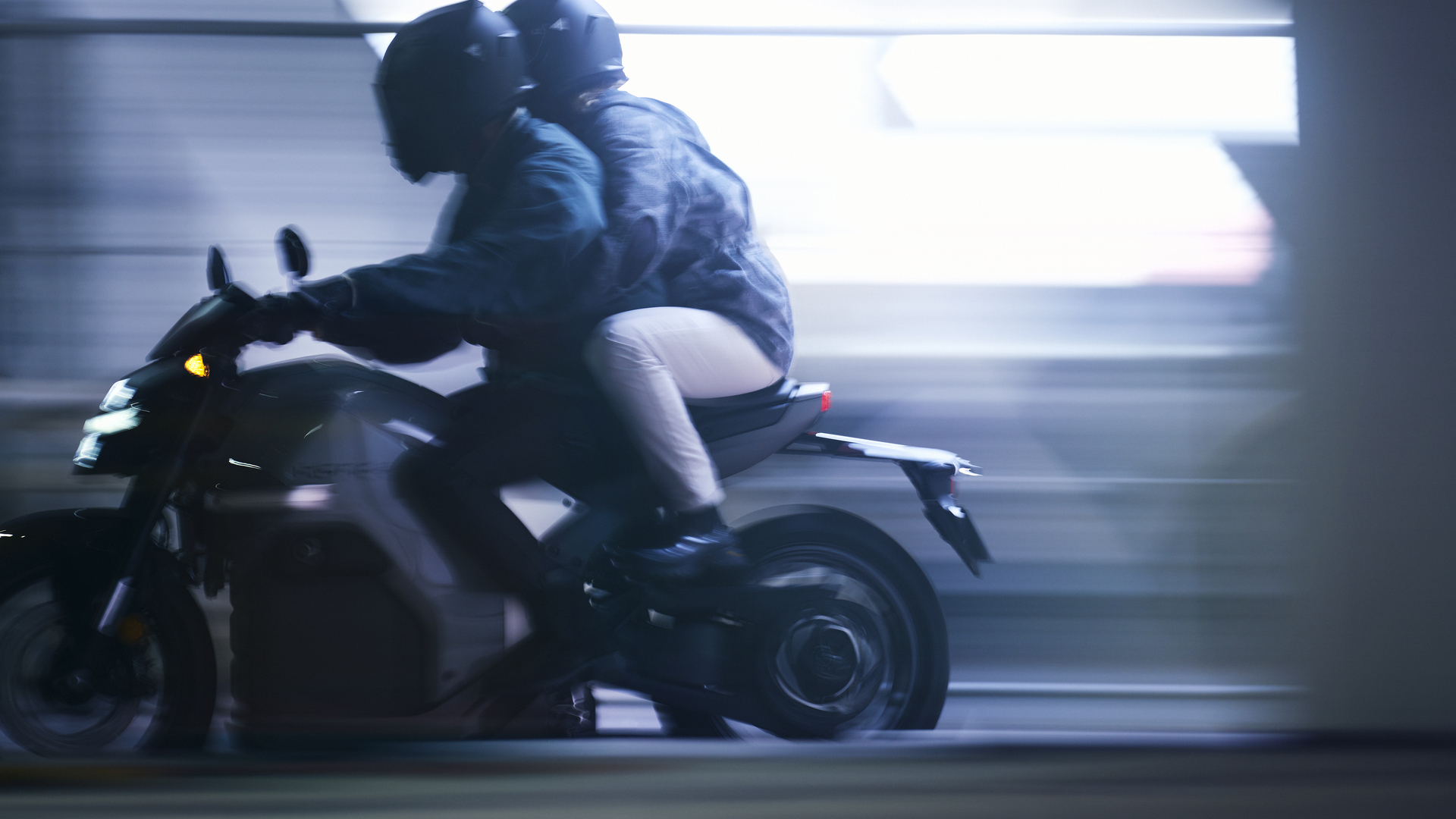
The Active Speed Limiter keeps you within a set speed to prevent unintended speeding and you can ride with peace of mind in built up places or on the highway.
Selectable Deceleration Power Levels
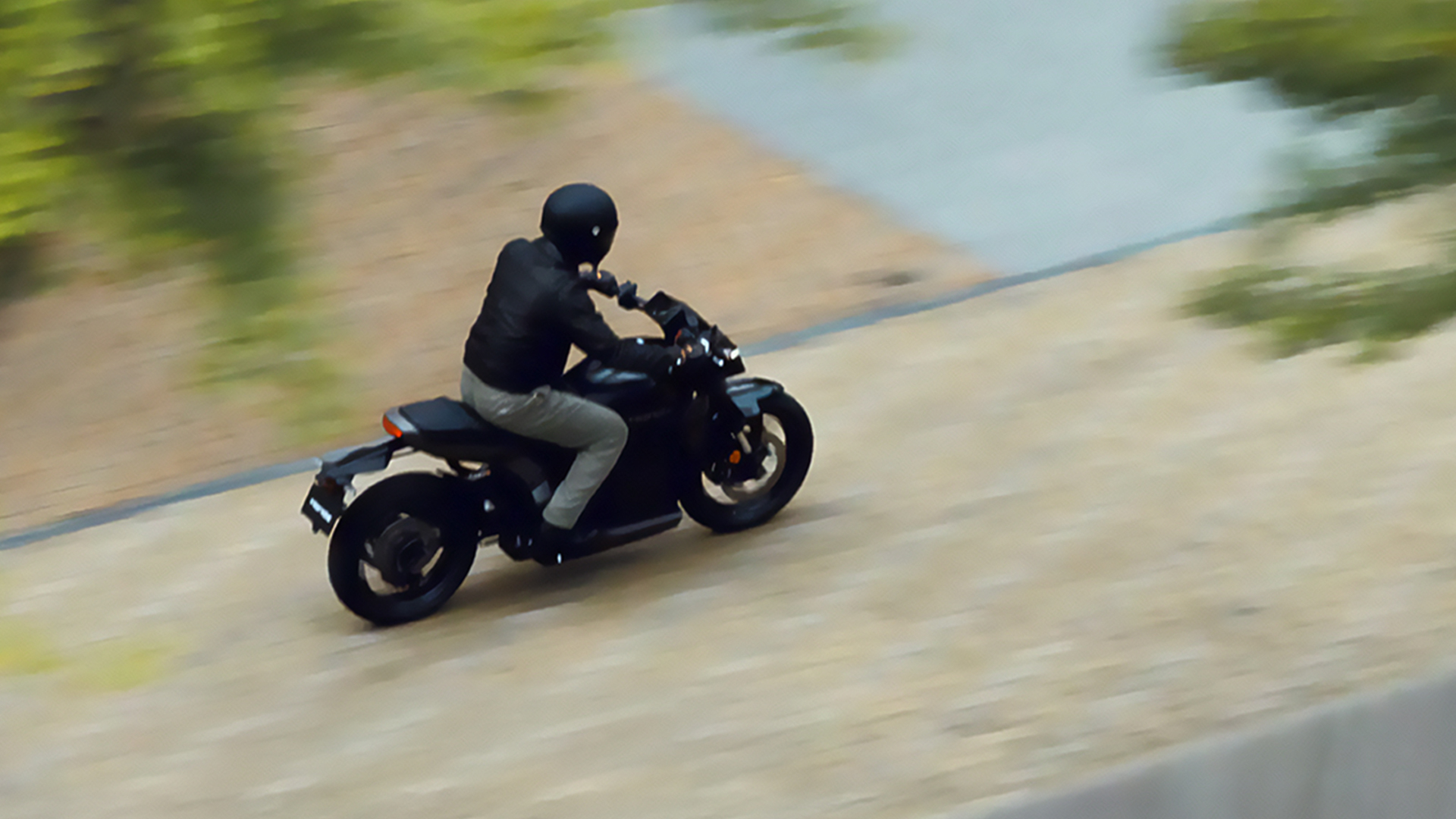
On the highway, lower the deceleration level for a smooth and relaxed ride. On winding roads, increase it for more stopping power as you release the throttle.
Performance technology

HESD Honda Electronic Steering Damper
Honda Electronic Steering Damper (HESD) provides electronically controlled steering damping that adjusts automatically according to vehicle speed. The system can increase the damping effect at higher speeds to ensure stability and reduce damping at lower speed to maintain agile handling characteristics and manoeuvrability.

OBTI Objective Based Tuning Interface (electronic suspension Ohlins)
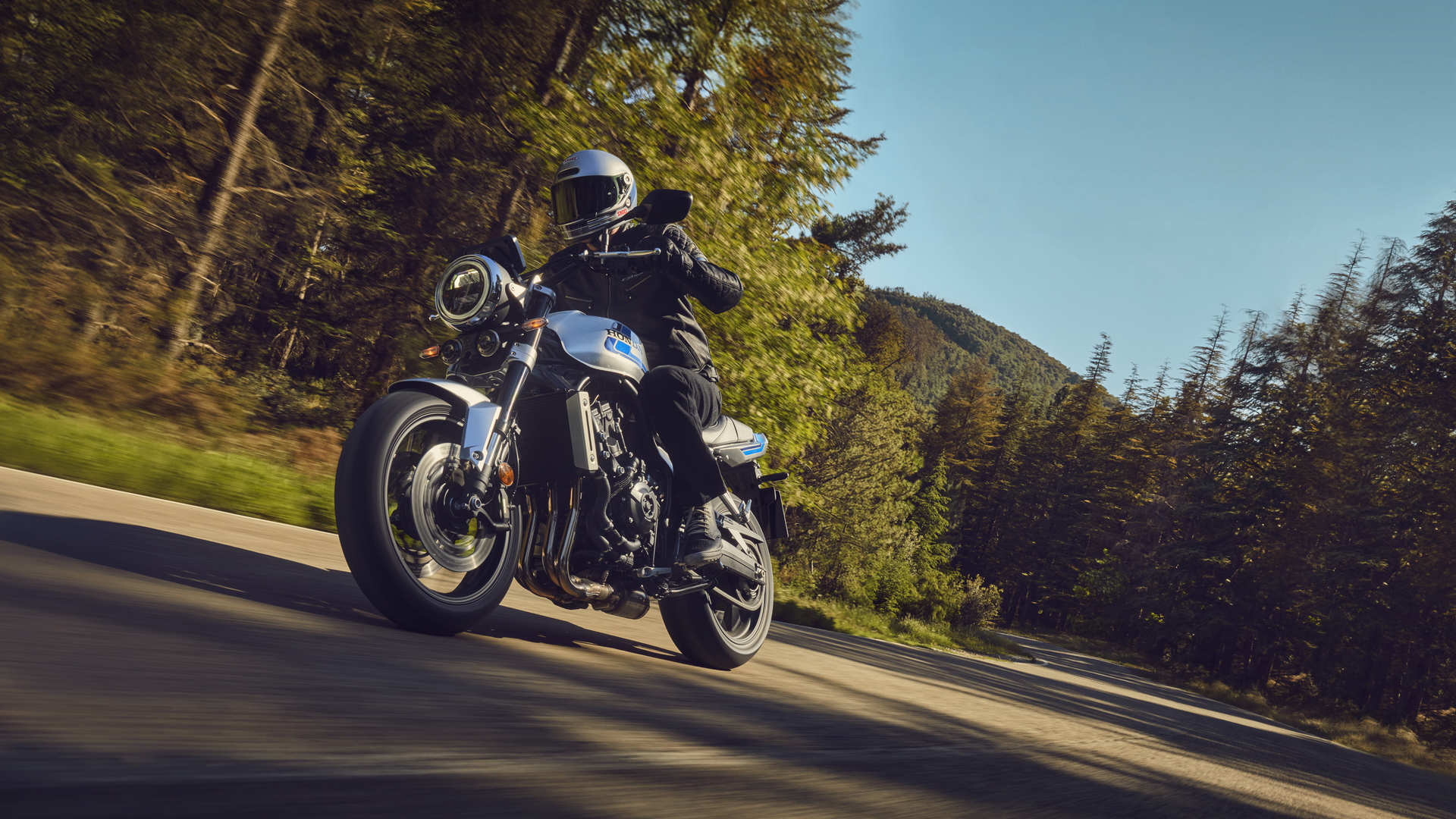
The Objective Based Tuning Interface (OBTI) enables the rider to select suspension modes based on road use, race track use and rain mode and these modes can be selected whilst riding. The damping is actively controlled by inputs from wheel speed sensors and the IMU in real time and the rider can fine tune damping characteristics in five key areas including, front stiffness, rear stiffness, braking, acceleration and cornering behaviour.

2-Motor Throttle Body TBW
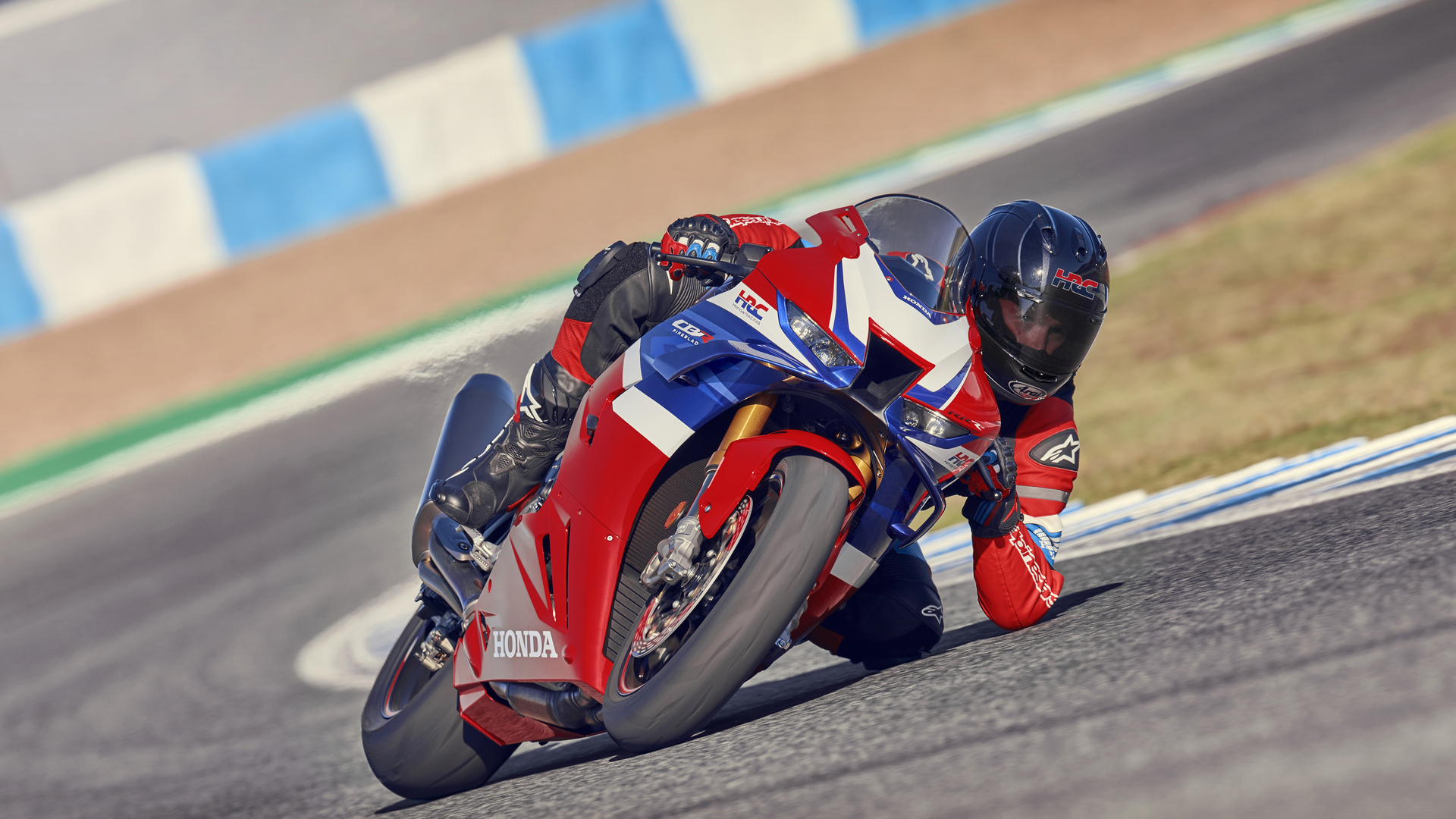
The two-motor TBW system (introduced on the 2024 CBR1000RR-R models) uses two motors attached to individual pairs of throttle valves. This enables opening and closing of the pairs of throttle valves independently for more precisely controlled power and torque delivery and control of engine braking.
Rider aid systems technology

Reverse Assist System
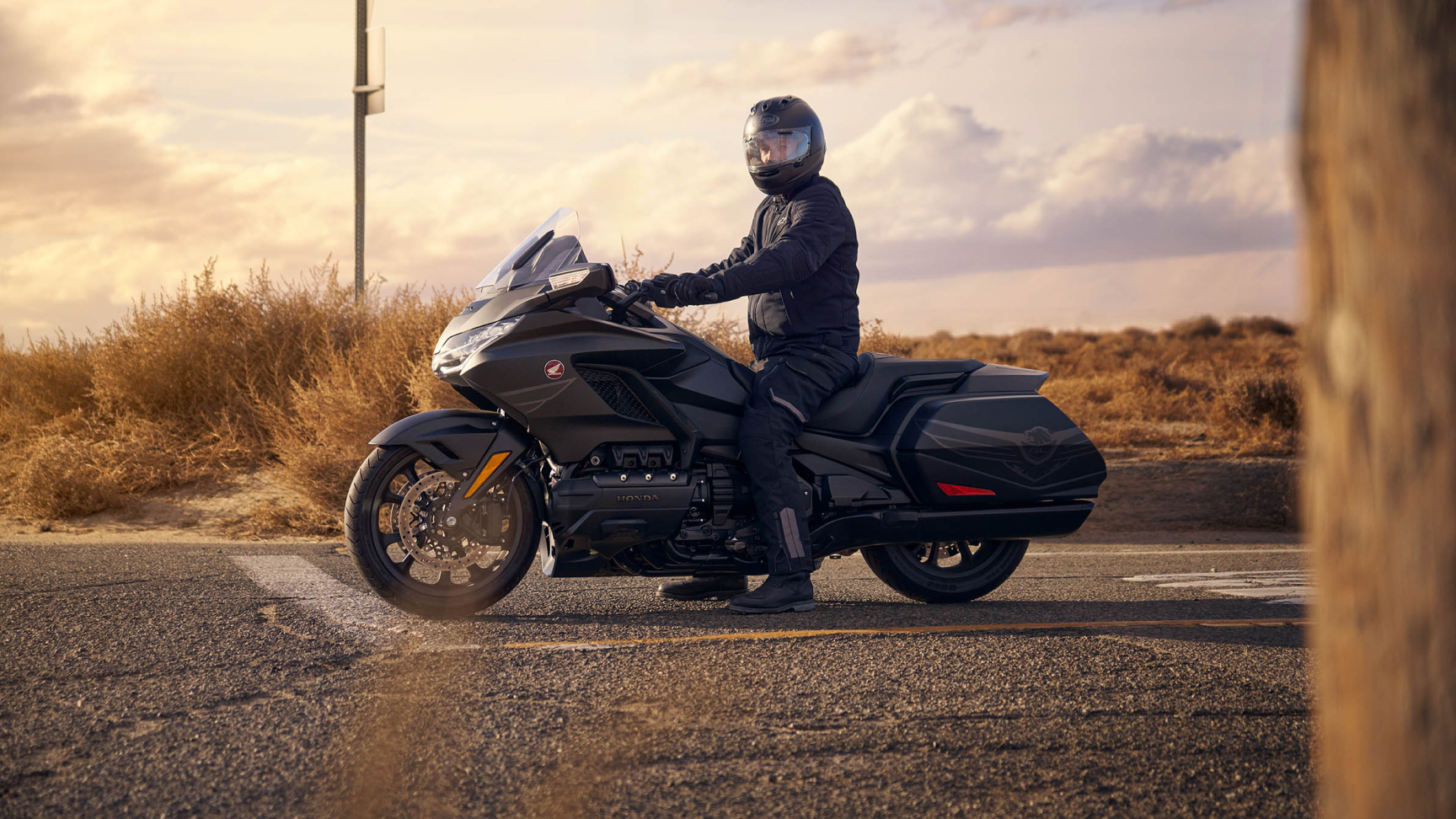
The reverse assist system enables the rider to engage reverse drive at a controlled speed. The rider can press the start/reverse switch to activate reverse mode (this is displayed on the meter). The motorcycle will then drive slowly in reverse and reduces the burden where manual effort alone is insufficient (on steep inclines and narrow parking spaces).


HSA Hill Start Assist
Hill Start Assist (HSA) holds the brakes on momentarily when stopping to enable seamless pulling away and prevent the motorcycle from rolling when stopped on an incline.

Rear wheel lift control
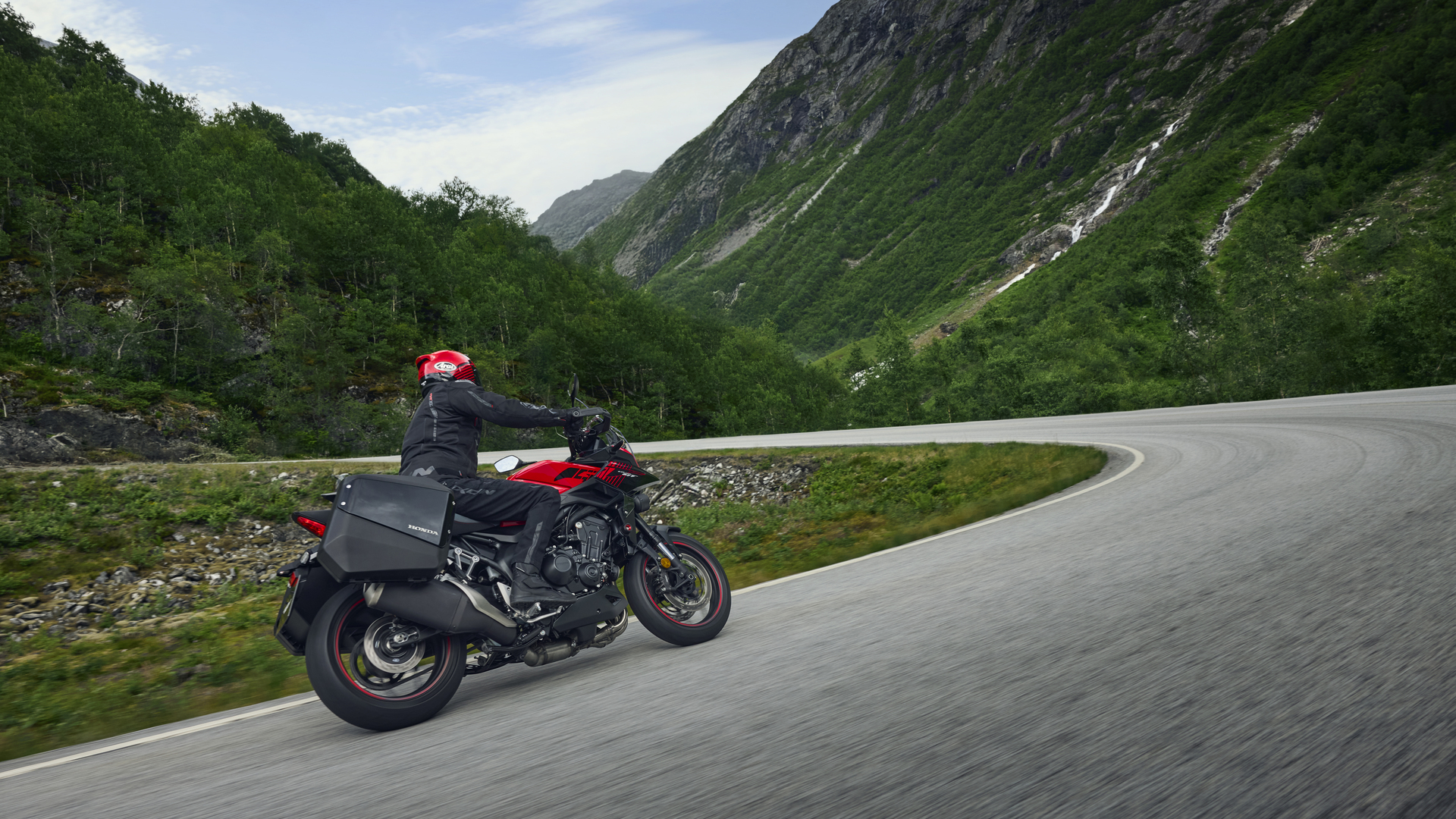
Rear wheel lift control is another system integrated into the latest ABS systems. Using information from the wheel speed sensors and/or Inertial Measurement Unit (IMU) it controls braking pressure to supress rear wheel lift during hard or sudden braking conditions. This enables the rider to maintain control and ensure balanced and efficient braking.

Cornering lights
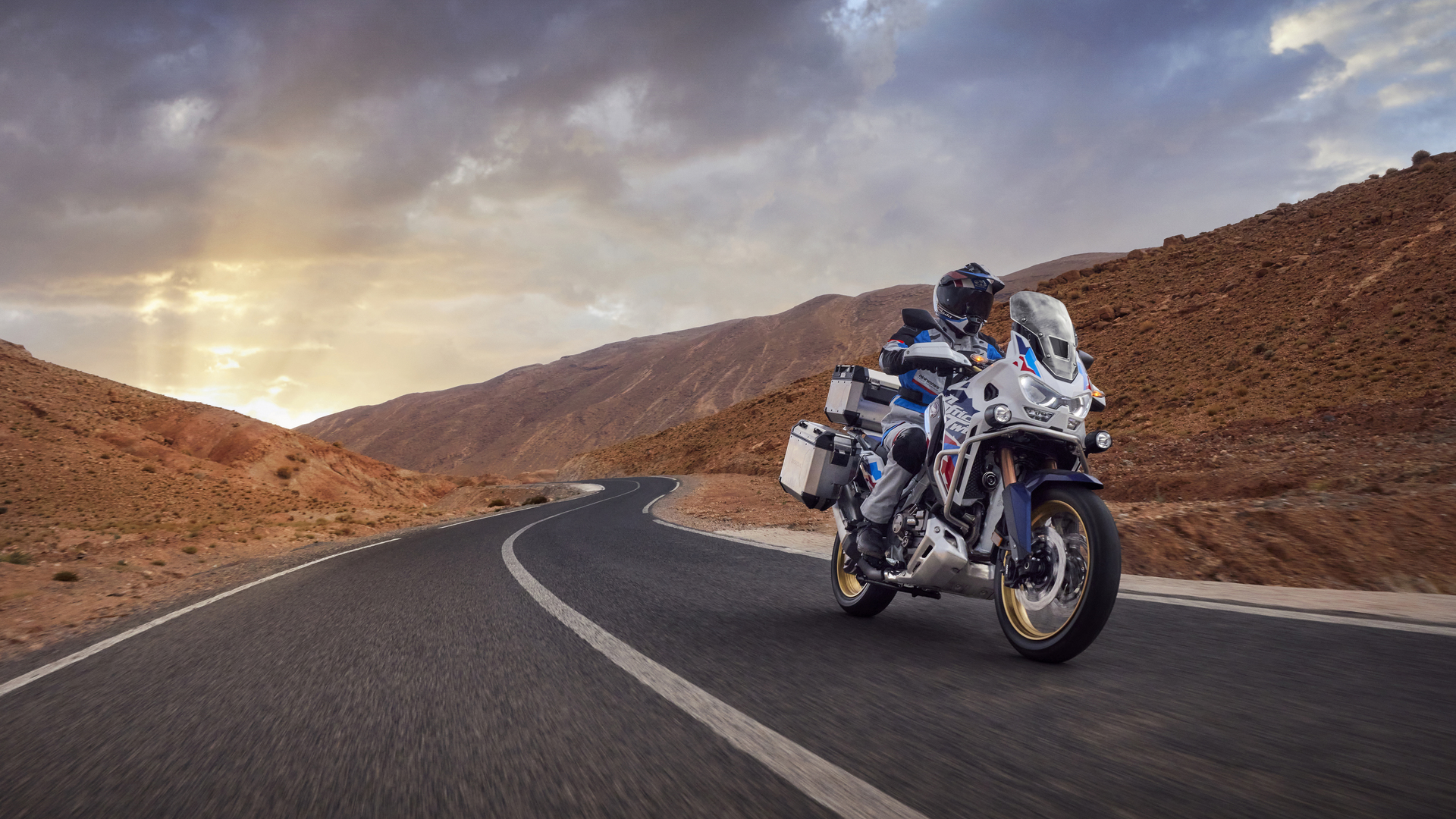
The cornering headlight function is controlled by lean angle information from the Inertial Measurement Unit (IMU). As the bike is leaned into a corner the inside cornering light is switched on to increase the illumination around the corner and improve visibility.

Anti-wheelie system
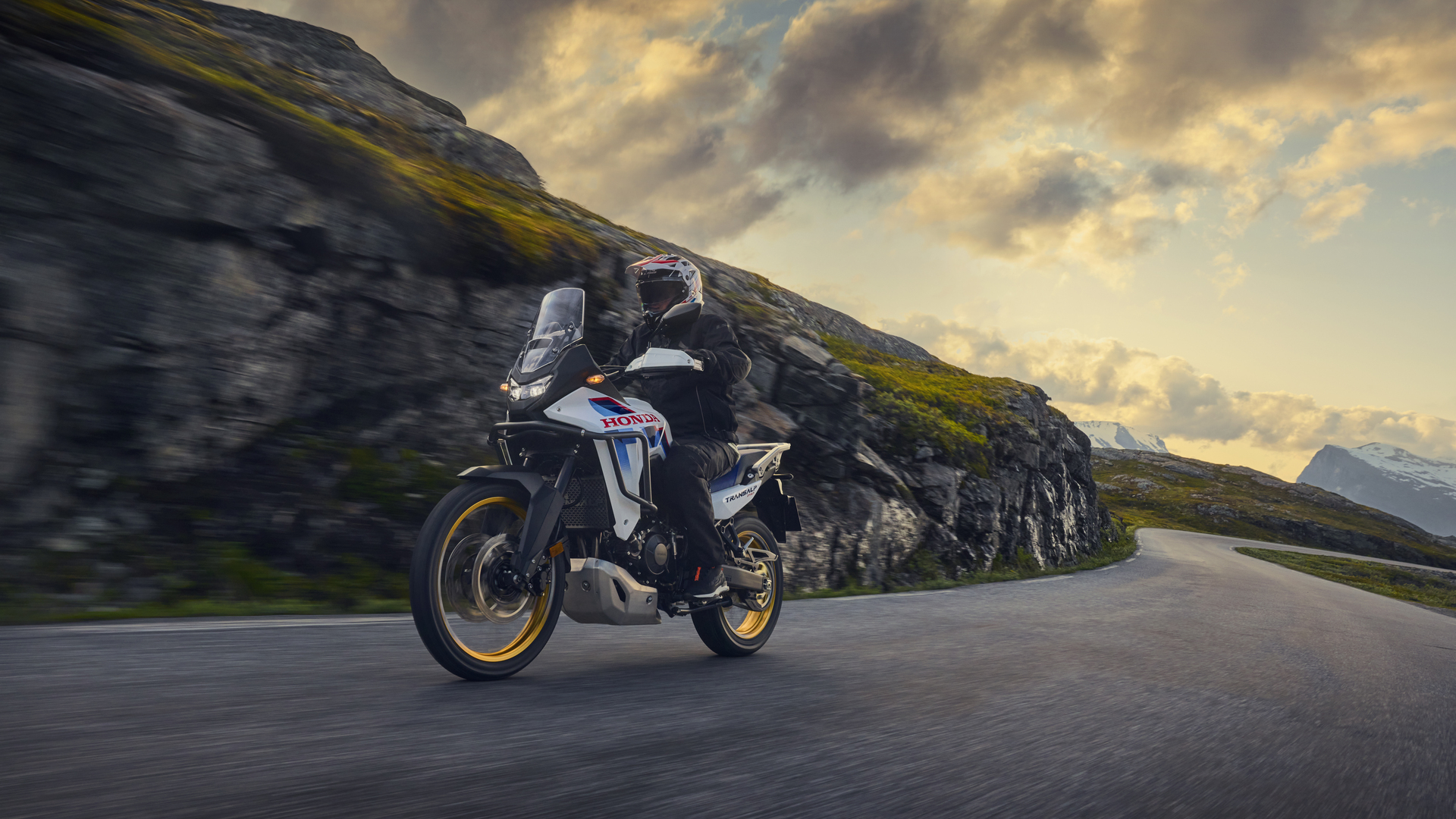
Anti-wheelie is a system that mitigates and reduces front wheel lift during hard and sudden acceleration. It utilises information from the ABS system and operates via the Throttle By Wire and HSTC systems to reduce engine torque and supress front wheel lift. On some models the levels of wheelie control can be adjusted via the meter.
Safety technology
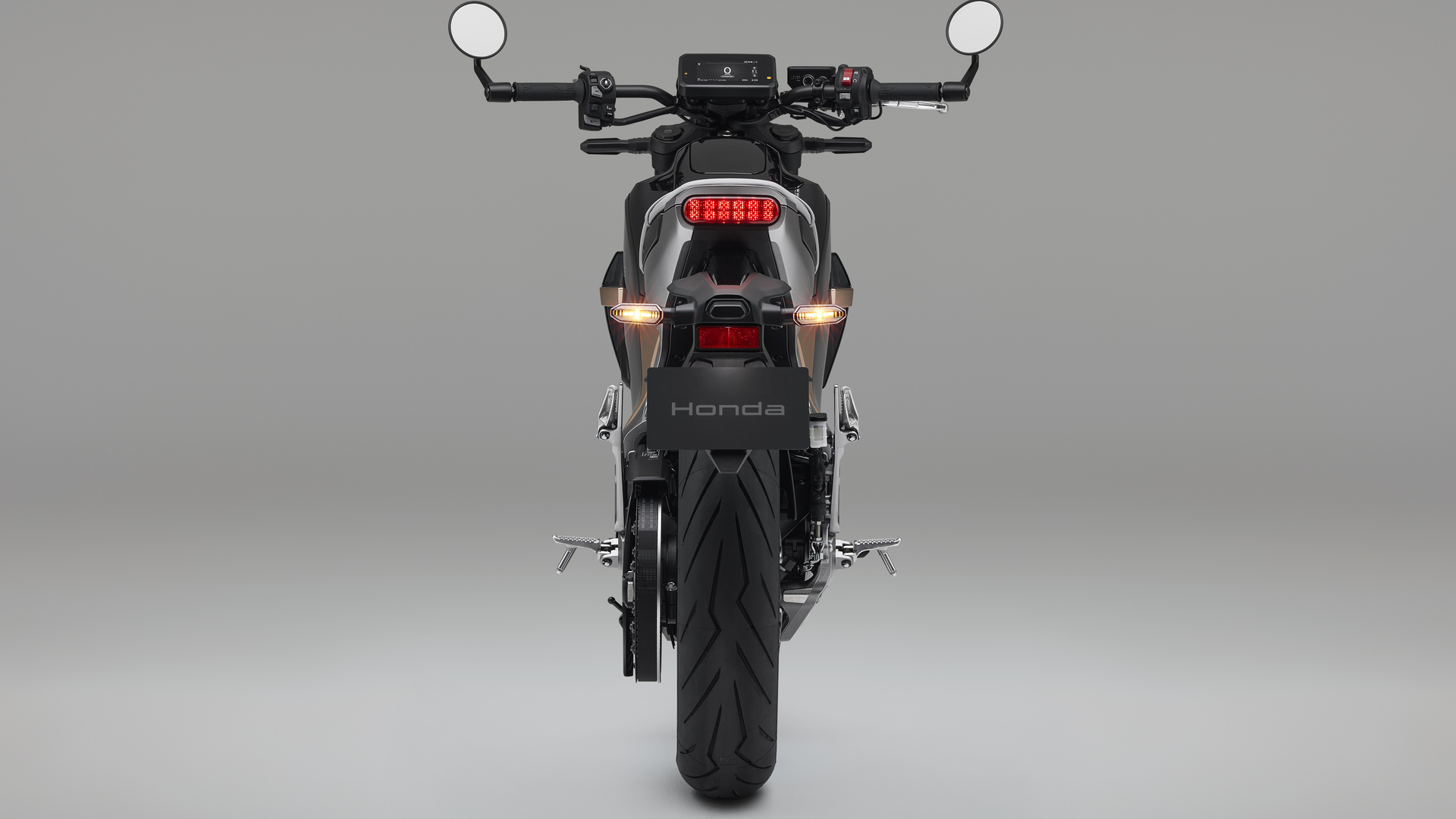

ESS Emergency Stop Signal
Emergency Stop Signal ESS is a safety system that alerts road users that the motorcycle is in an emergency braking situation by flashing the direction indicators during hard or sudden braking.
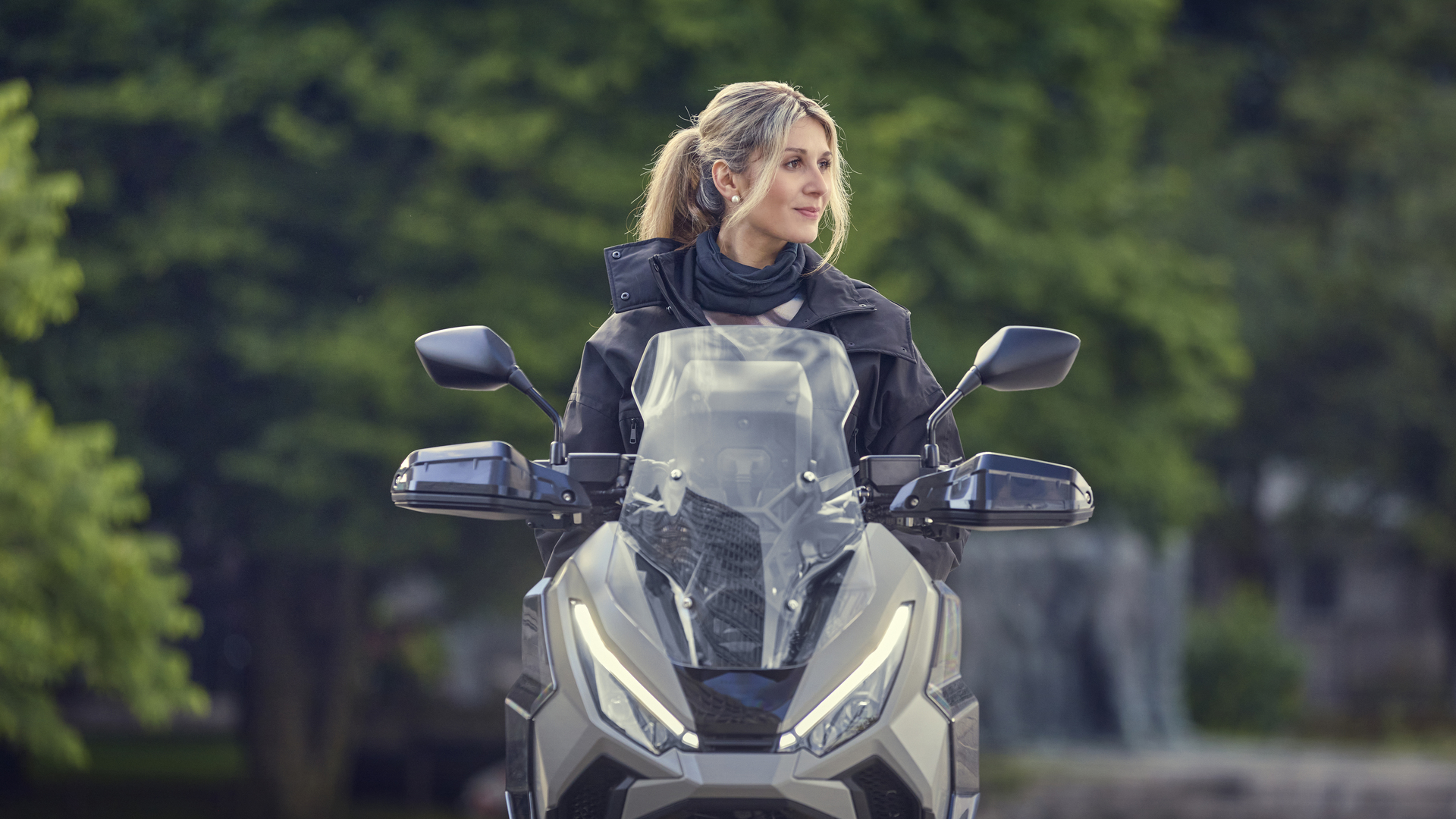

LED Headlights
LED lights use Light Emitting Diode Technology to provide clear and intensive lighting to improve visibility and visual presence as well as benefiting from their low consumption properties.
.jpg)

Daytime Running Lights
Daytime running lights improve safety by increasing visibility and the overall visual presence of the motorcycle.
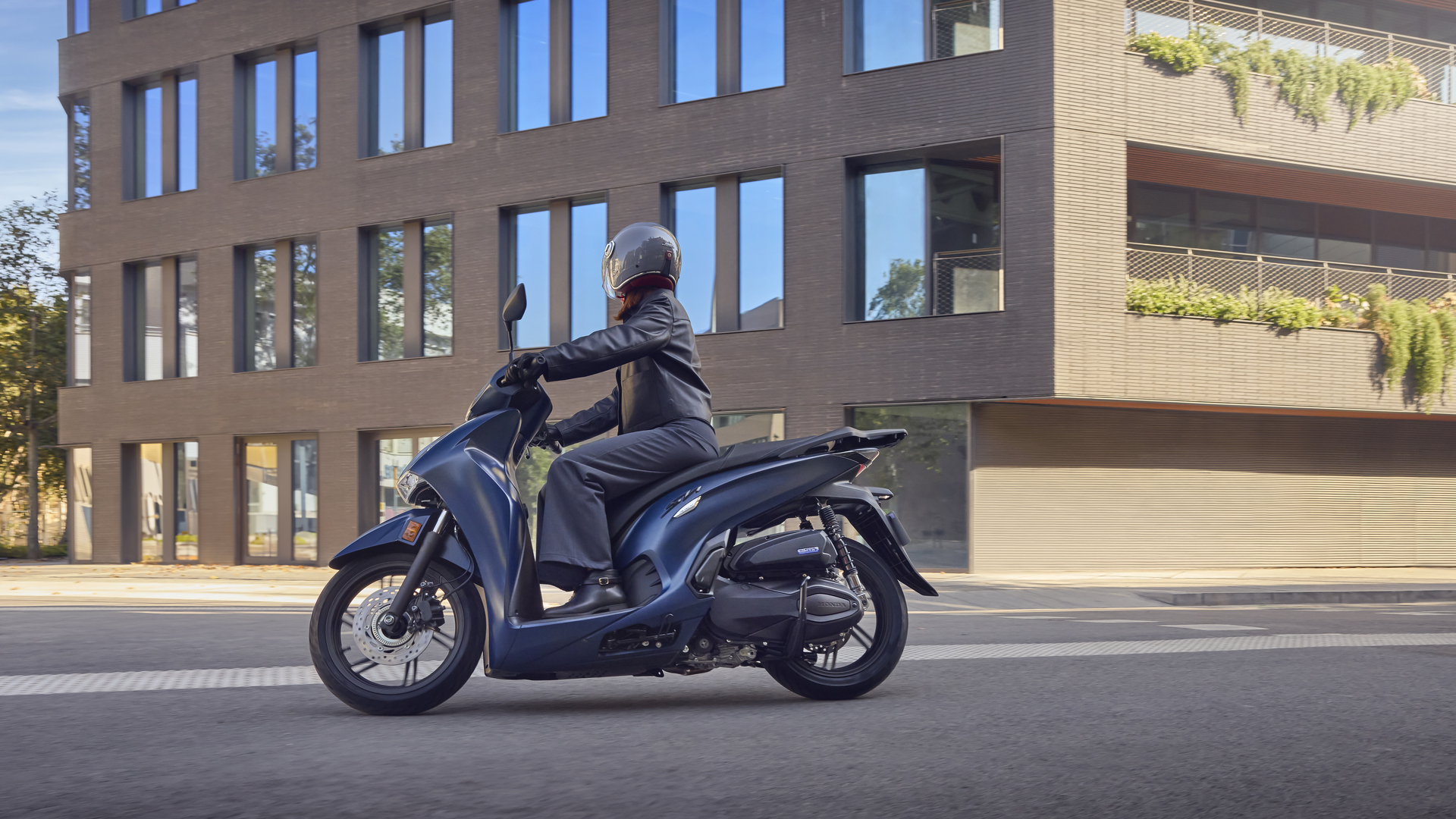

Self-cancelling direction indicators
Self cancelling direction indicators improve safety by automatically switching off the direction indicators after the turning manoeuvre is complete.
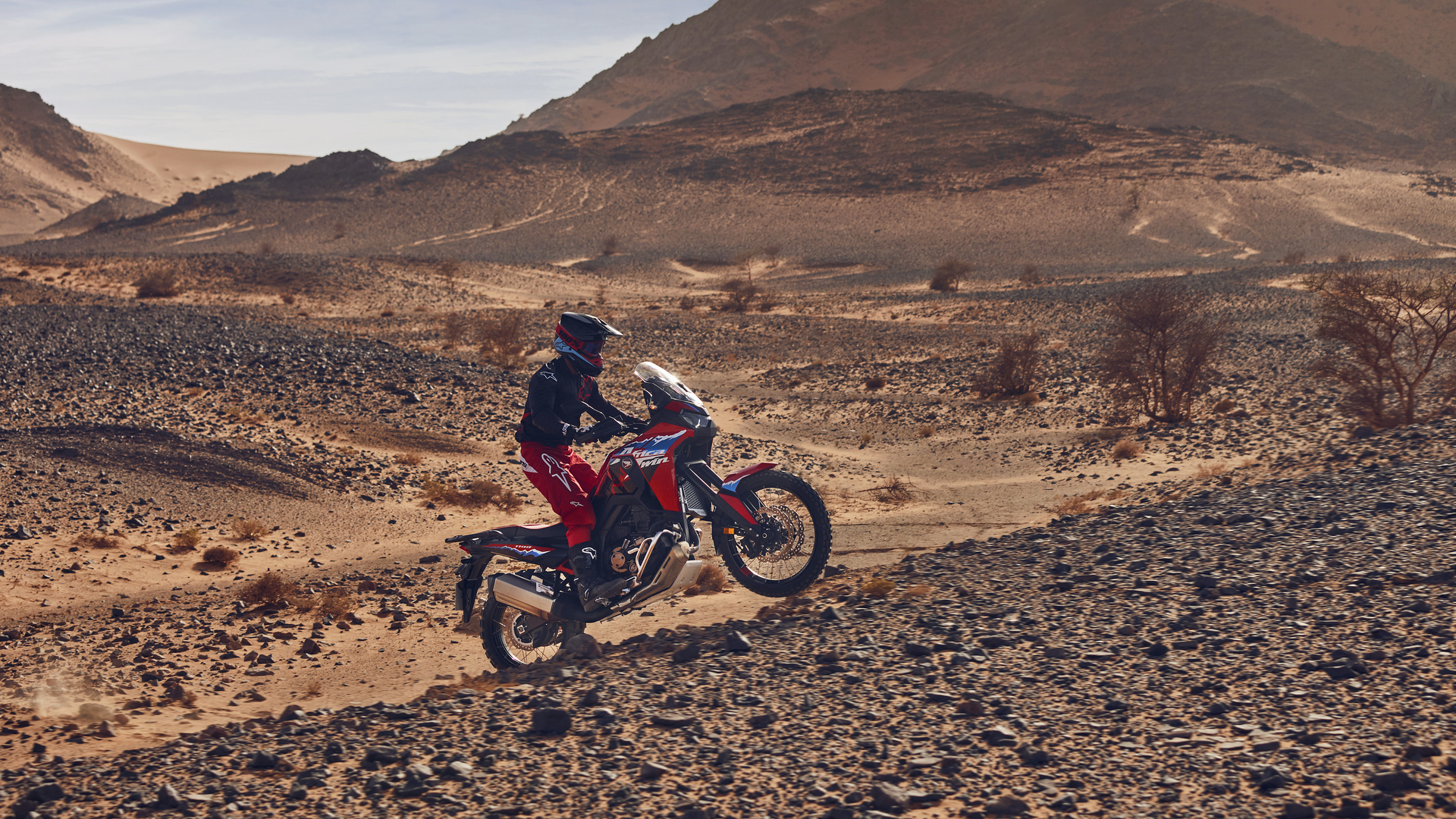

HSTC Honda Selectable Torque Control
Honda Selectable Torque Control (HSTC) is a system that detects rear wheel spin and electronically adjusts engine torque to ensure traction and stable handling characteristics are maintained. On some models, the levels of HSTC intervention can be adjusted to suit rider preference and riding conditions. The levels of HSTC also form part of the selectable riding modes.

Switchable ABS
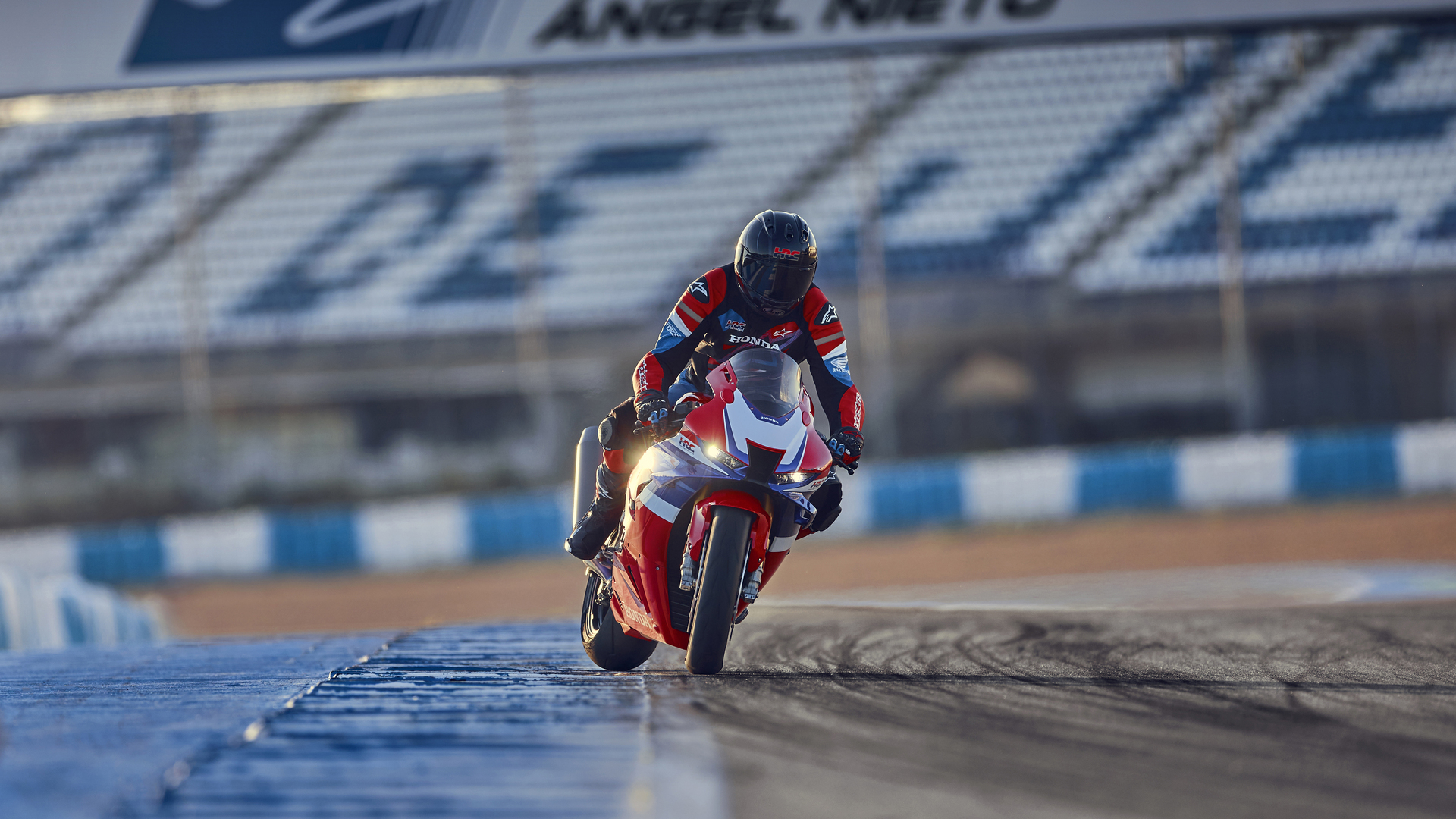
Switchable ABS is available on some of Honda's Adventure and super sport models. It enables the rider to switch between ABS modes that are more suited to race circuit or off-road use.

TPMS Tyre Pressure Monitoring System
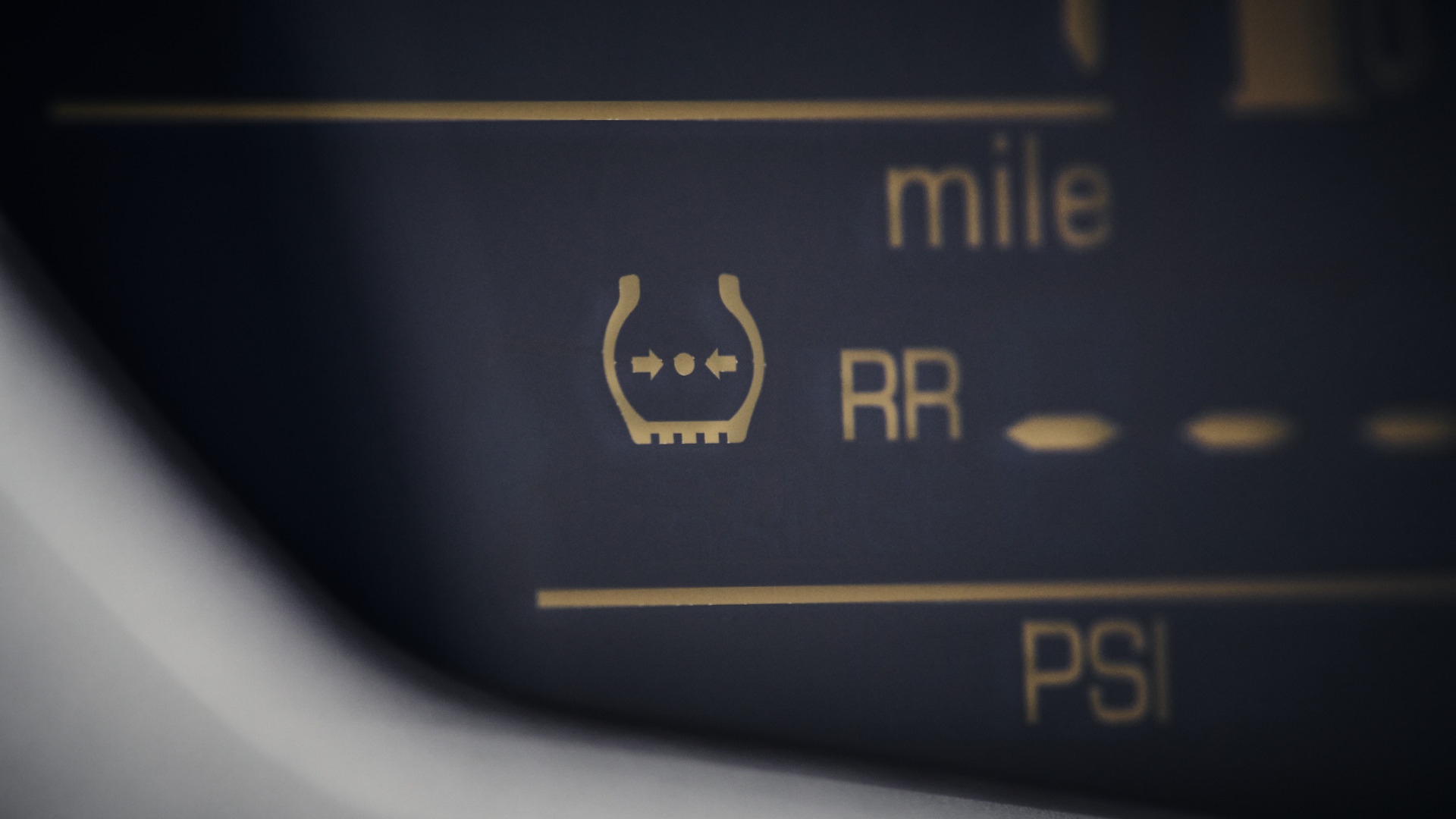
Tyre Pressure Monitoring System (TPMS) warns the rider if there is a sudden loss of tyre pressure, for improved safety and peace-of-mind.
Selectable levels of ABS
On some of Honda's super sport models, the rider is able to select levels of ABS intervention to suit the riding conditions i.e. race circuit use.

CBS Combined Braking System
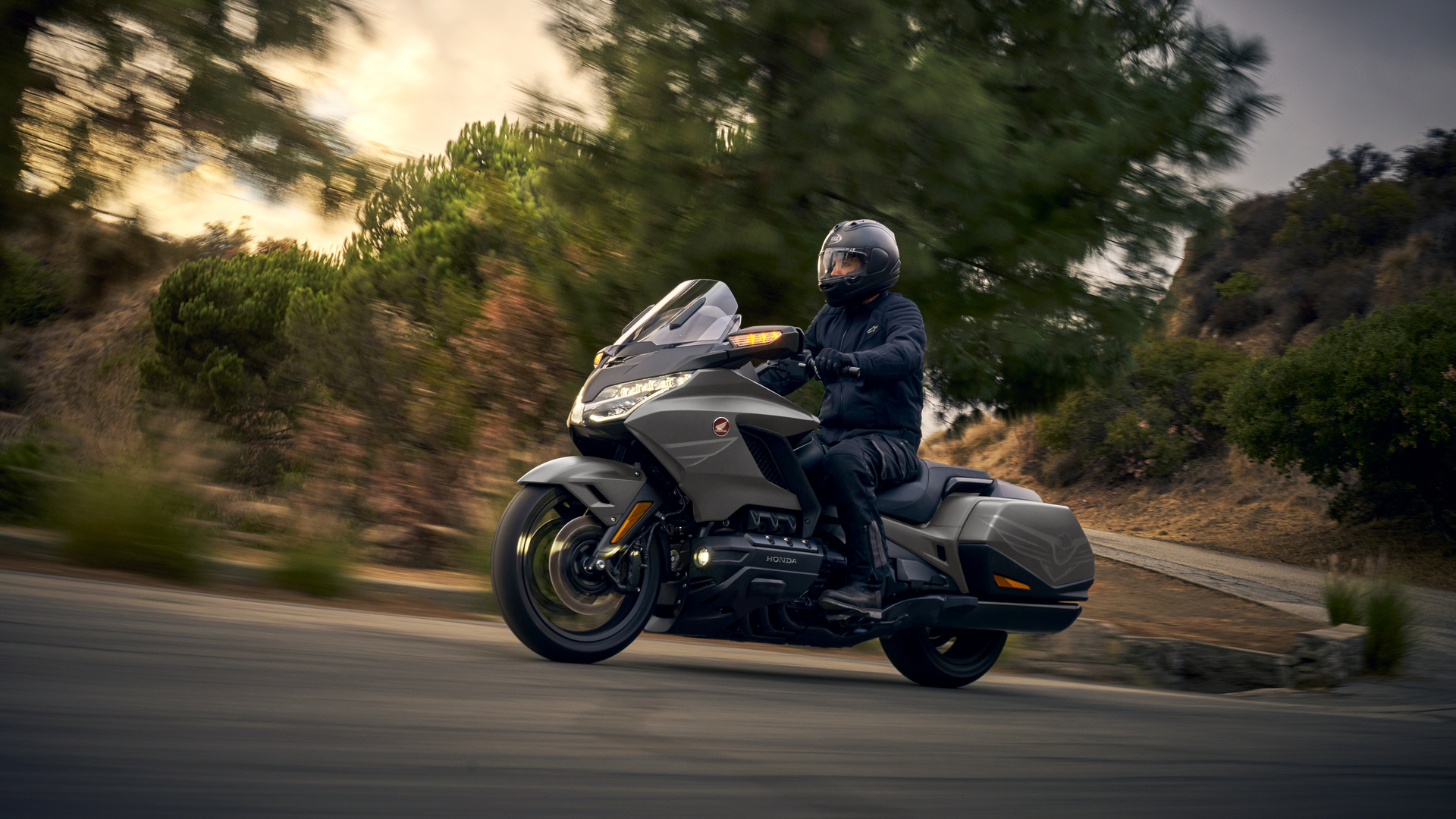
Combined Braking Systems (CBS) combine the operation of the front and rear brakes. As the front brake is applied by the rider the system also applies pressure to the rear brake and visa versa (depending on model) to ensure balance and stability is maintained during braking. Depending on the model, the brakes can be linked mechanically by means of a cable, or hydraulically.
Cornering ABS
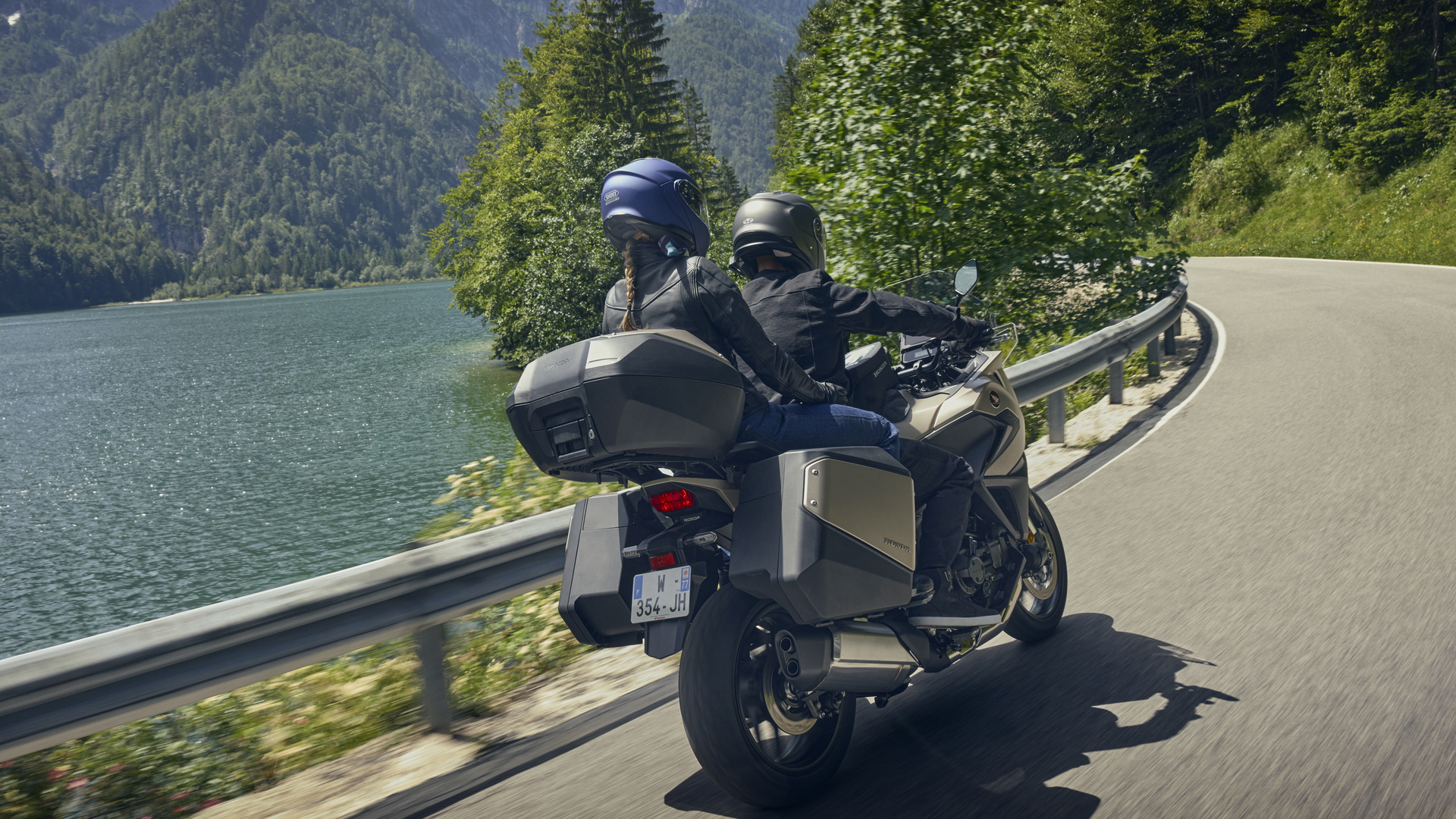
Cornering ABS is a system that controls the ABS according to bank angle. The system operates from information form the Inertial Measurement Unit (IMU) that actively measures the angle and rate of the motorcycle acceleration for yaw, roll and pitch. This information is then used to control braking pressure to ensure balanced deceleration during cornering and reduced occurrence of unintentional bike behaviour whilst cornering and braking.


SRS Supplementary Restraint System (Airbag)
In 2006 the Gold Wing became the first mass-production motorcycle to be equipped with a supplementary restraint system (airbag). This was a significant leap forward in motorcycle safety and was a result of sixteen years of development. The Gold Wing models continue to be available with and airbag.
Security technology

HISS Honda Ignition Security System
Honda Ignition Security System (HISS) is a motorcycle immobiliser system that has a microchip embedded in the original key and is programmed with a coded password that is picked up by an antenna and communicated it to an ECU. The ECU checks the programmed code number and only allows the engine to start when the code numbers match. Even if a duplicate key of exactly the same shape as the original key is used, the engine cannot be started unless the built-in microchip code matches.
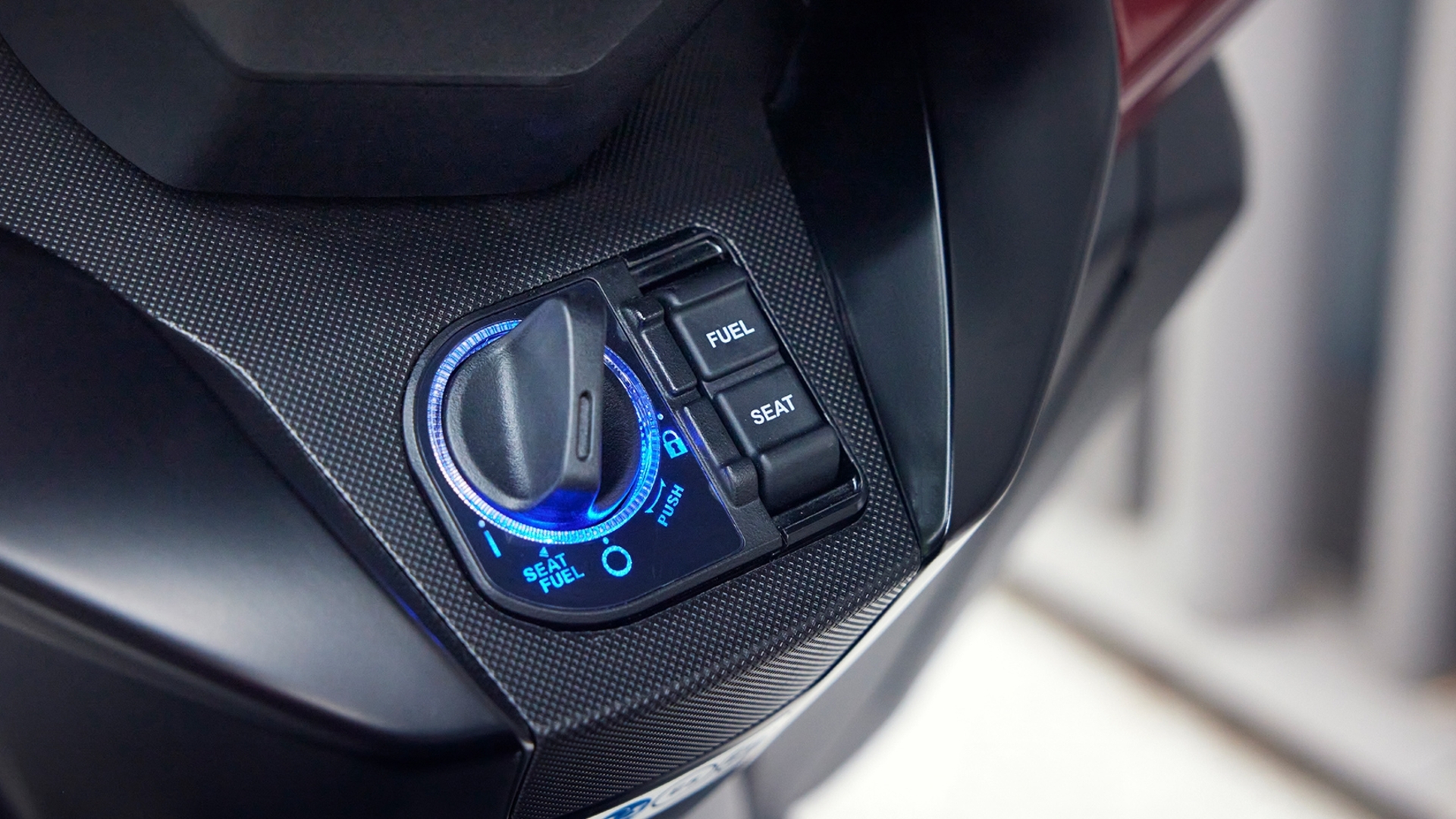

Honda Smart Key
Honda Smart Key brings the convenience of keyless entry to the motorcycle world. This system improves security and convenience as the rider can keep the key fob in their pocket whilst operating the motorcycle.
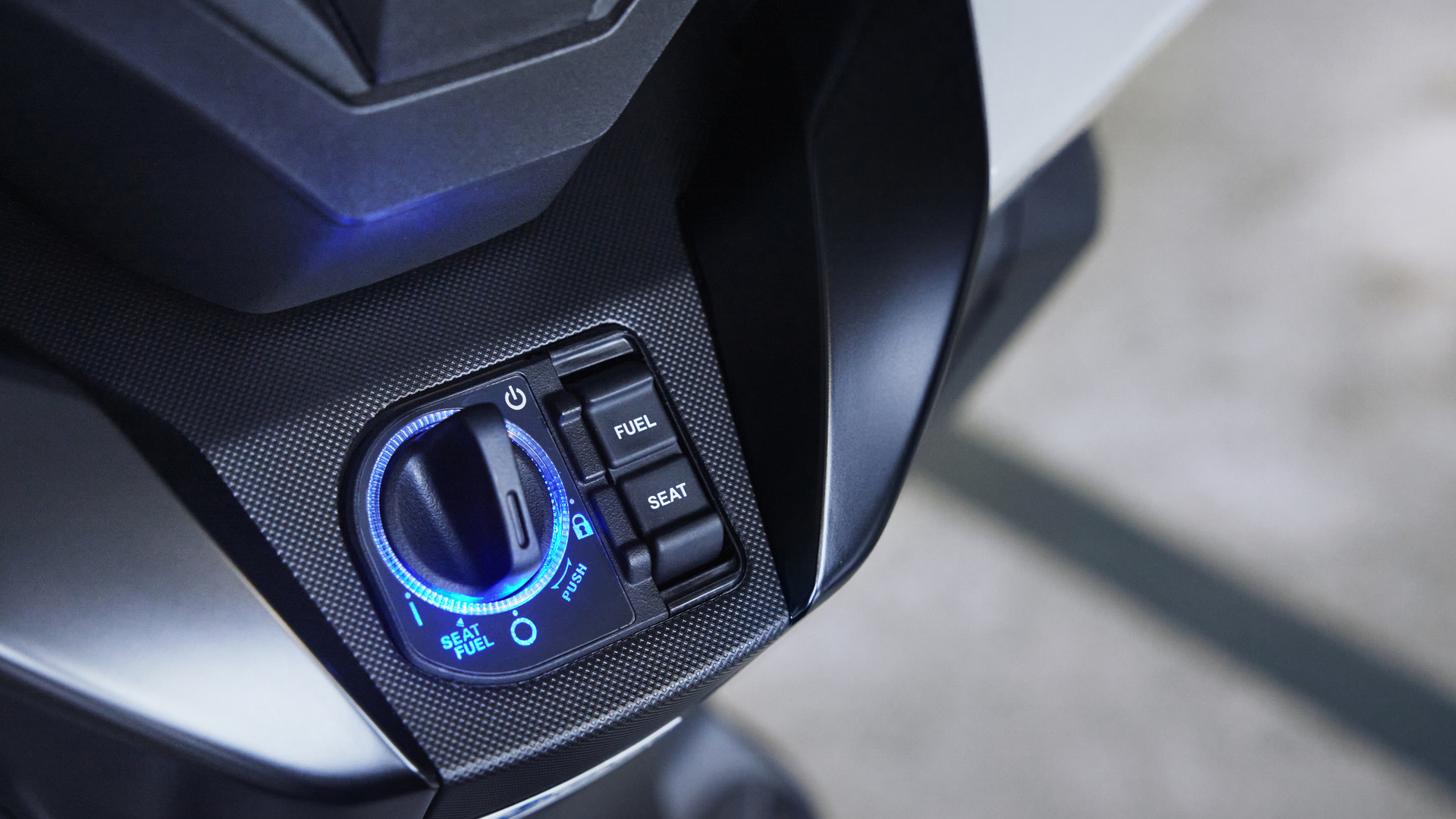
ESL Electronic Steering Lock
As part of the Honda Smart Key system, this function is activated through the main switch and enables locking the steering when parked for maximum security.
Transmission technology


DCT Dual Clutch Transmission
Dual Clutch Transmission (DCT) is a transmission in which clutch and shift operations are automated, while maintaining the structure of manual transmission with its advantages such as direct-feel acceleration. With no need to operate the clutch, the rider can concentrate on the throttle and brake operation while riding, and smooth acceleration and deceleration is possible with fewer interruptions of driving force during shifting that inevitably occur with normal manual transmissions due to their structure.


Honda E-Clutch
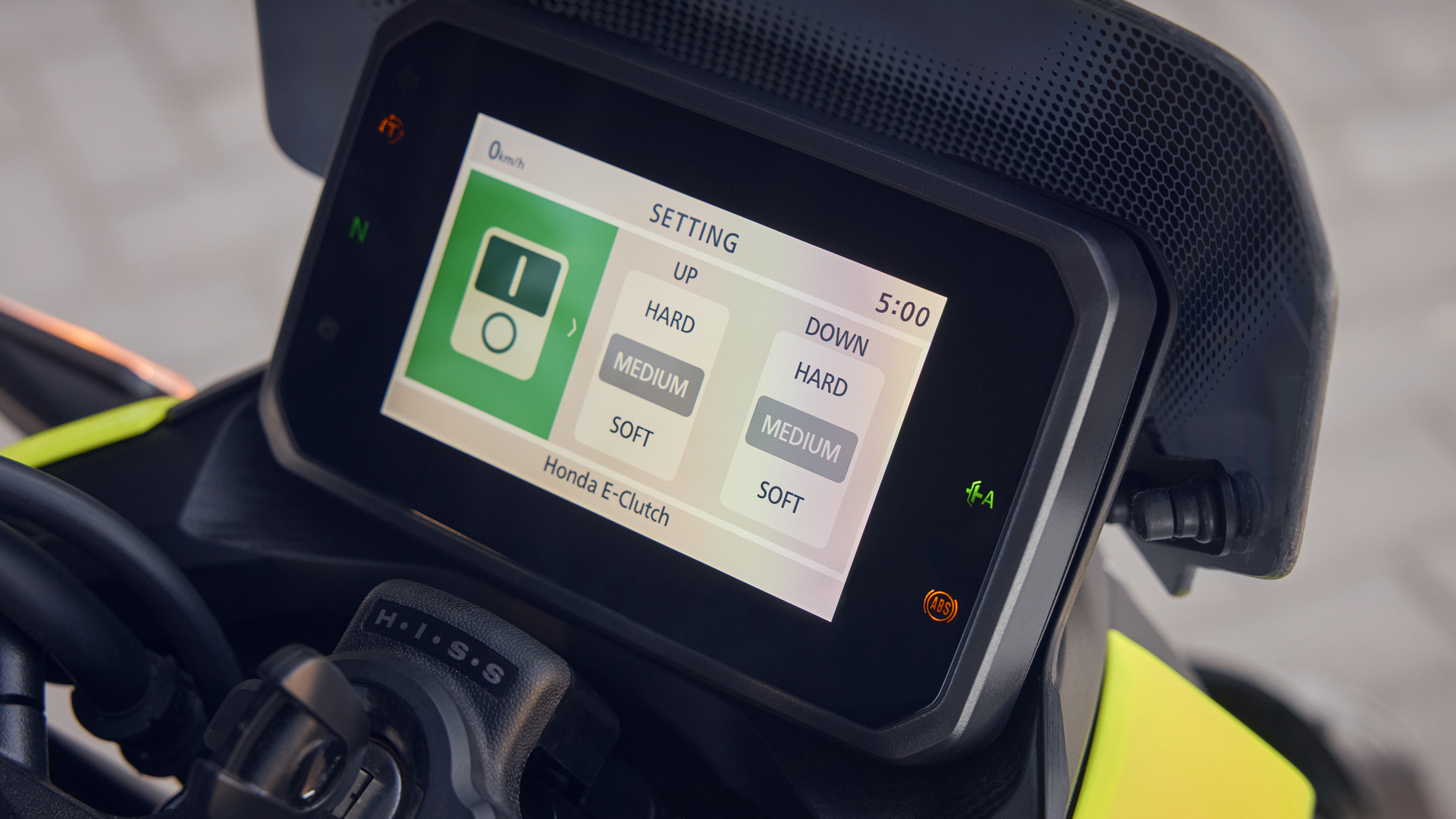
The Honda E-Clutch system automatically engages and disengages the clutch and frees the rider from using the clutch lever which enables them to concentrate on riding, braking and turning. The system also emulates the operation of a quick shifter as clutch lever operation is not required during shifting. The system helps to reduce rider fatigue and eliminates stalling as the clutch lever operation is not required when starting and stopping. Additionally the rider can use manual clutch lever operation at any time.

Manual Transmission
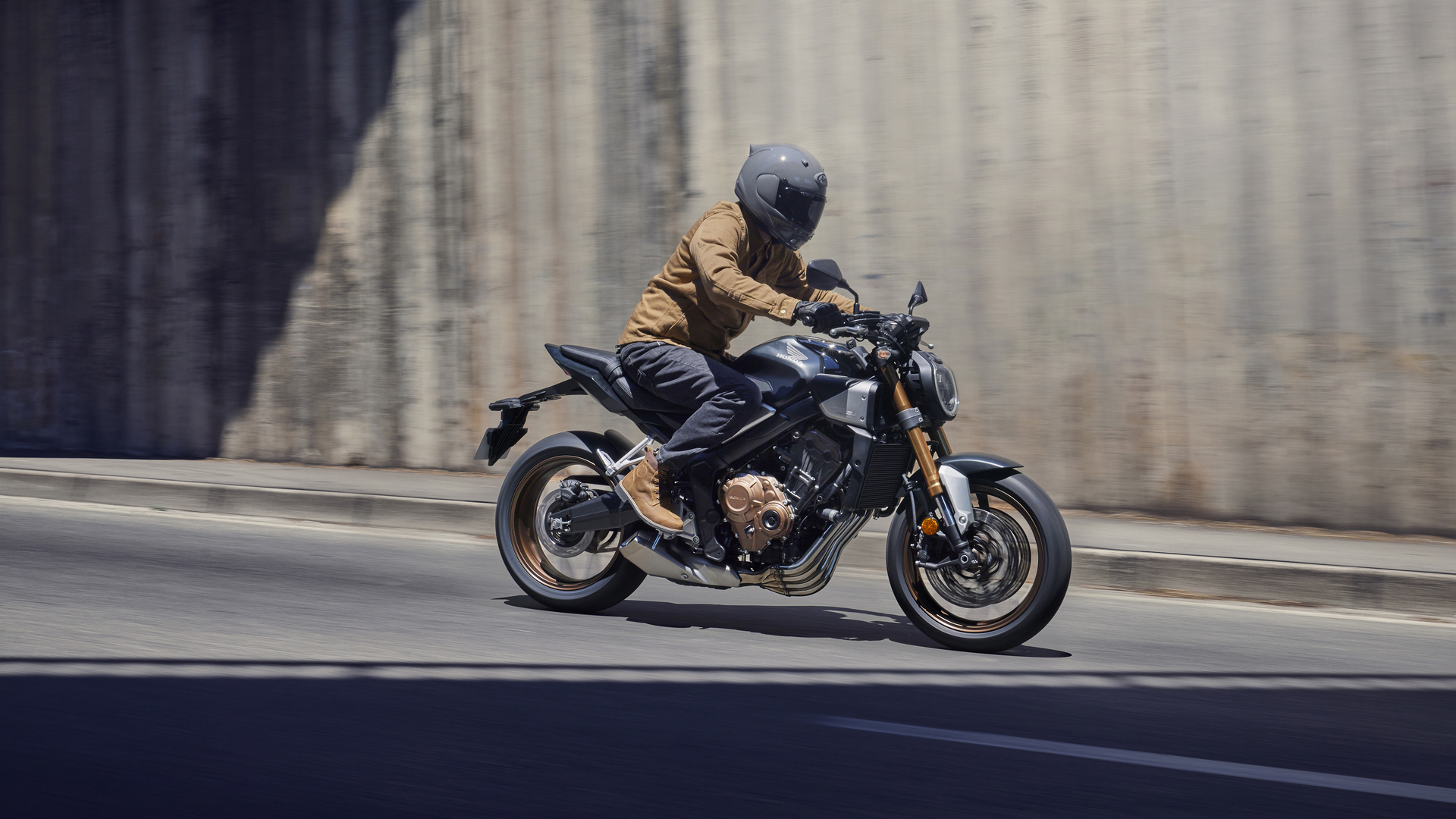
Honda motorcycles using manual transmission are equipped with 5 or 6 speed constant-mesh transmission. The drive and driven gears are always mated together but rotate freely on a gear shaft until locked by a toothed sliding collar. This ensures smooth and sequential gear changing.