
Smart charging is a massive opportunity for drivers of smaller electric vehicles (EVs). The reason is simple: smaller batteries come with more flexibility and flexibility is where charging savings live.

Compact EV Drivers Have a Different Usage Pattern
In the UK, 69% of drivers travel under 20 miles per day, and hatchback owners (where most compact EVs sit) are the most likely to drive less than 10 miles daily.
With modern EV efficiency (typically 3-4 miles per kWh), that often means needing 5–7 kWh of energy per day.
This is typical of small EV usage, which creates three key conditions:
- Regular home charging
- Small daily battery top‑ups
- Wide flexibility of when that charging happens
This combination is ideal for smart charging optimisation.
Charging Frequency vs Battery Size
Battery size plays a critical role in how much flexibility an EV has.
Compact and city‑focused EVs typically sit in the 20–50 kWh range. Smaller batteries charge faster and require less energy per charging session.
For example:
- A 30 kWh battery only needs ~7-8 kWh to restore a typical day’s driving (25-35 miles/day).
- At a standard 7 kW home charger, that energy can be delivered in around one hour.
This means the car does not need to start charging immediately when plugged in. Instead, charging can be shifted into the cheapest, lowest‑demand windows, often overnight.
Key takeaway: smaller batteries need less time to fully recharge, making them easier to schedule precisely.

Why A Time‑of‑Use Tariff Is What You Need
Time‑of‑use electricity tariffs typically come in either;
- dual-rate (two price periods, high and low) or
- dynamic (changing half-hourly in line with market prices)
and allow drivers to avoid peak electricity demand and higher prices.
In the UK, peak electricity is usually between 4pm and 7pm on weekdays, while off‑peak rates usually begin around 11-12pm.
In 2026 pricing terms (depending on provider):
- Peak rates commonly reach 28-35p per kWh
- Off‑peak rates can drop to 6.5-12p per kWh
So, for an EV driver charging 2,000 kWh per year, charging primarily off‑peak can reduce EV charging costs by £300-£400 annually.
In 2026 pricing terms, off‑peak EV charging typically works out at the equivalent of ~2-4p per mile - around 70-85% cheaper than petrol, which averages ~12–15p per mile for a typical car.
Because compact EVs need less energy per charge, often all of their charging can be pushed into off‑peak windows. You could even automate this by using a smart charging service.
Automated Scheduling vs Manual Charging
Despite the clear savings, most drivers still don’t optimise home charging. This is a big opportunity missed.
Studies show that over 70% of home charging begins immediately after plug‑in, regardless of electricity prices.
Manual scheduling relies on the driver remembering peak times, tariff changes, and departure needs, something most people understandably don’t prioritise.
Automated smart charging solves this by:
- Detecting the vehicle’s arrival and departure window
- Calculating required energy
- Delaying and/or scheduling charging for the cheapest available hours
Smaller EVs, with shorter required charging windows, benefit the most because smart charging services have more freedom to “hunt” for low‑cost charging times.

Avoiding Peak Pricing (and Grid Stress)
Peak electricity periods coincide with high grid stress and higher carbon intensity. Unmanaged charging during these windows increases costs for both households and the energy system.
UK energy data consistently identifies early evening as the most expensive and carbon‑intensive period, while overnight hours see lower demand and higher renewable availability.
By shifting compact EV charging off‑peak:
- Drivers avoid the most expensive electricity rates
- The grid avoids demand spikes, which causes non-renewable power to be used
- Renewable energy available at these times is used more effectively
This alignment is precisely what smart charging services like e:PROGRESS are designed to unlock.
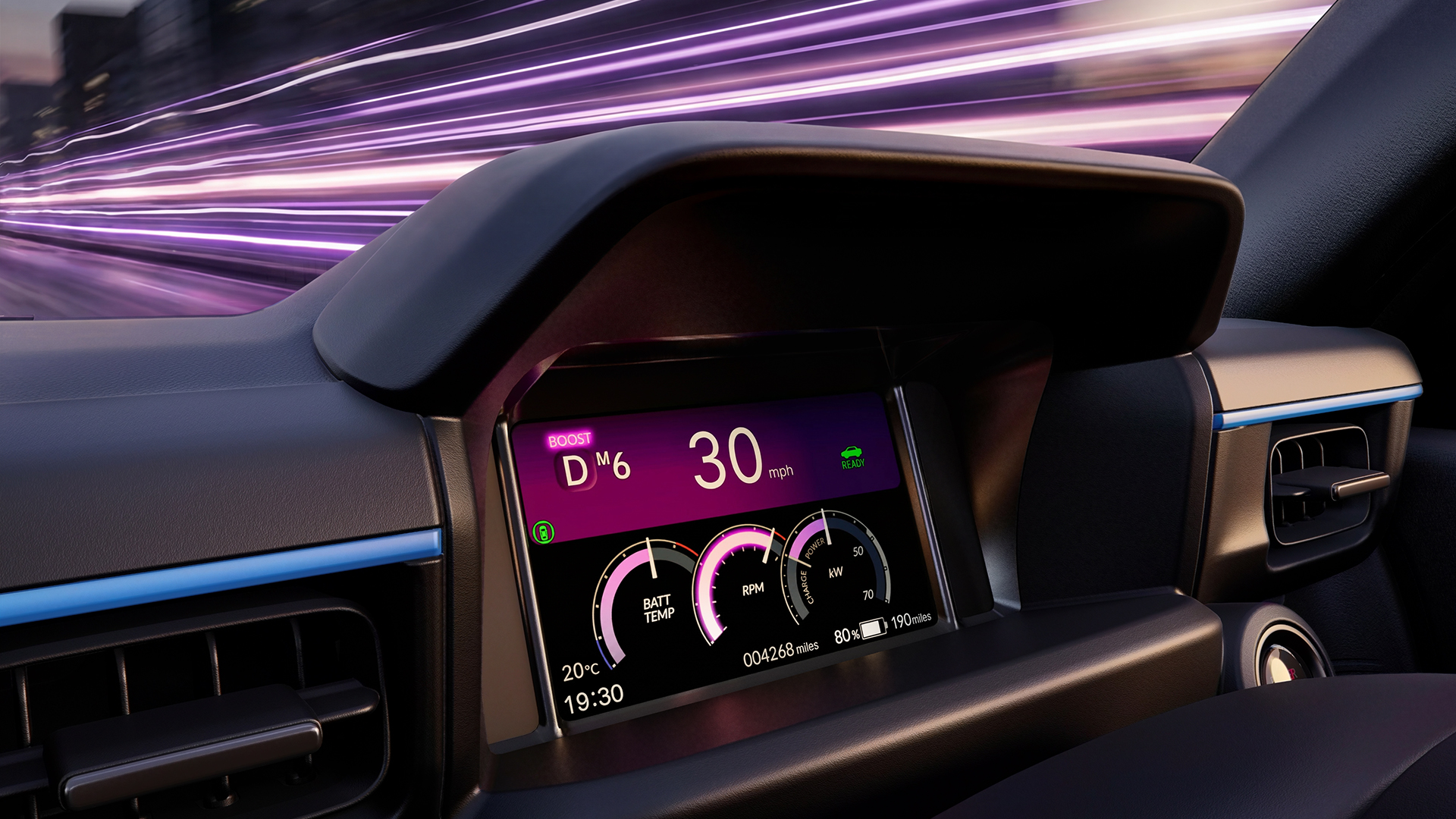
Why Smaller Batteries Mean More Flexibility
Bringing these factors together, smaller electric vehicles present advantages in charging behaviour and cost savings for drivers.
Smaller EVs typically:
- Cover shorter average daily distances
- Require less energy per charging session
- Can be fully recharged within shorter time windows
Shorter charging durations increase flexibility, enabling drivers to better align charging activity with off‑peak tariff periods.
This means the opportunity to utilise off‑peak electricity rates is greater.
In effect, smaller battery capacity enhances charging flexibility, which in turn supports lower overall running costs.
Looking Ahead: Super-N Is Primed for Home Charging Optimisation
This is where e:PROGRESS comes into play and supports vehicles like the Super -N.
Small EVs with predictable daily use, frequent home charging, and modest battery sizes are perfect candidates for automated optimisation.
Super- N fits these requirements perfectly, and e:PROGRESS can turn flexibility into lower costs without adding complexity for the driver.