Find out what it’s really like to drive an electric car with Honda. Learn the ropes with our breakdown of key points, features and techniques.
In many ways, driving an electric car still feels familiar. You sit behind the wheel, follow the same traffic rules and travel the same roads. But for drivers used to petrol or hybrid cars, the experience of driving electric often feels different from the first journey.
Honda’s electric cars, are designed to make that transition straightforward by keeping everyday driving behaviour familiar while changing how power is delivered to the wheels. Understanding what electric driving feels like helps first-time EV drivers know what to expect before their first journey.
How does driving an electric car feel compared to petrol?
The most noticeable differences appear as soon as you pull away. Electric motors behave differently from petrol engines, which changes how the car sounds and responds.
Engine noise
Electric cars do not use internal combustion engines. Instead, they rely on electric motors powered by a battery, which produce very little noise when driving. This means cabin sound levels are often lower, especially at urban speeds.
To help pedestrians remain aware of nearby vehicles, many electric cars use artificial exterior sounds at low speeds. Inside the car, reduced vibration also changes how the drive feels, as there is no engine movement passing through the pedals or steering wheel.
No gear changes
A common question is whether all electric cars are automatic. In practical terms, yes. Electric vehicles do not use multi-speed gearboxes. Most rely on a single-speed system that delivers power directly to the wheels.
This means there are no gear shifts when accelerating or slowing down. For drivers learning how to drive an electric car, this creates a smoother experience, especially in stop-start traffic, because power is delivered continuously without pauses between gears.
Most electric cars replace traditional gear levers with compact controls such as buttons, dials or stalks. Selecting drive or reverse becomes a simple, deliberate action rather than a mechanical movement.
This layout also frees up cabin space and contributes to a cleaner dashboard design, which many drivers notice when driving an electric car for the first time.
Smooth pull-away and acceleration
Electric motors deliver full torque from a standstill. This means the car responds immediately when you press the accelerator, without needing to build engine speed first.
In everyday use, this feels controlled and predictable rather than abrupt. Pulling away at junctions and merging into traffic tends to feel smooth, with less mechanical noise and vibration than in petrol cars.
Regenerative braking changes how slowing down feels
When you lift off the accelerator in an electric car, the vehicle slows more noticeably than in a petrol car. This is due to regenerative braking, where the motor captures energy while decelerating and sends it back to the battery.
Over time, this creates a more controlled driving style where the accelerator manages both speed and gentle slowing. The brake pedal is still used for firm stops and emergencies, but most drivers adapt quickly to this difference.
Electric driving still feels familiar where it matters
Despite the differences, the fundamentals of driving remain the same. Steering, braking and road positioning do not change. Drivers still respond to traffic conditions, park in the same spaces and follow the same rules of the road.
For most people, learning how to drive electric is less about relearning driving and more about adapting to quieter operation and different pedal behaviour. The core skills developed in petrol cars still apply.

Honda's electric cars
Honda’s approach to electric driving focuses on making the experience intuitive rather than technical. Power delivery, steering and braking are tuned to feel natural for drivers moving from conventional vehicles.
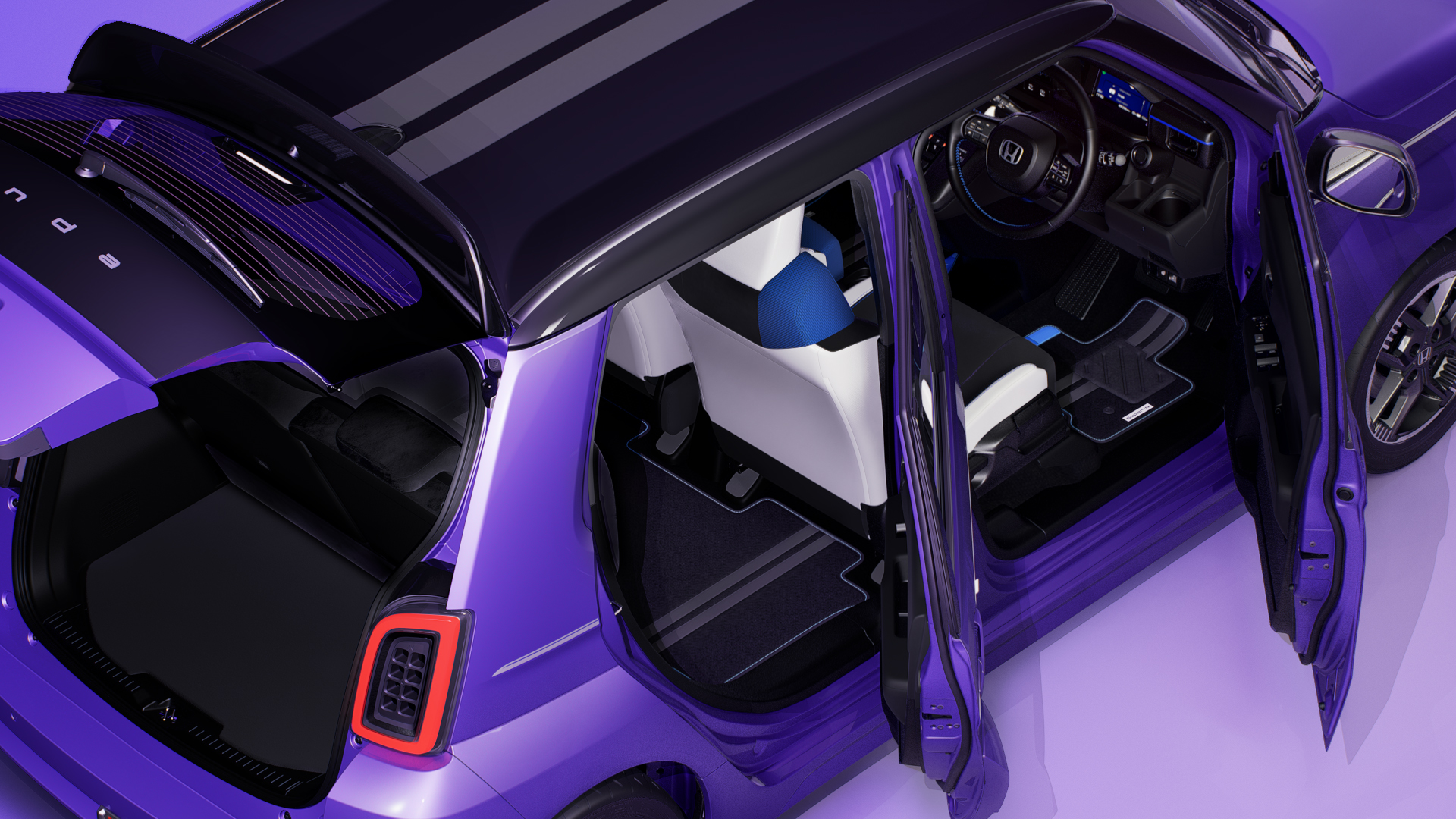
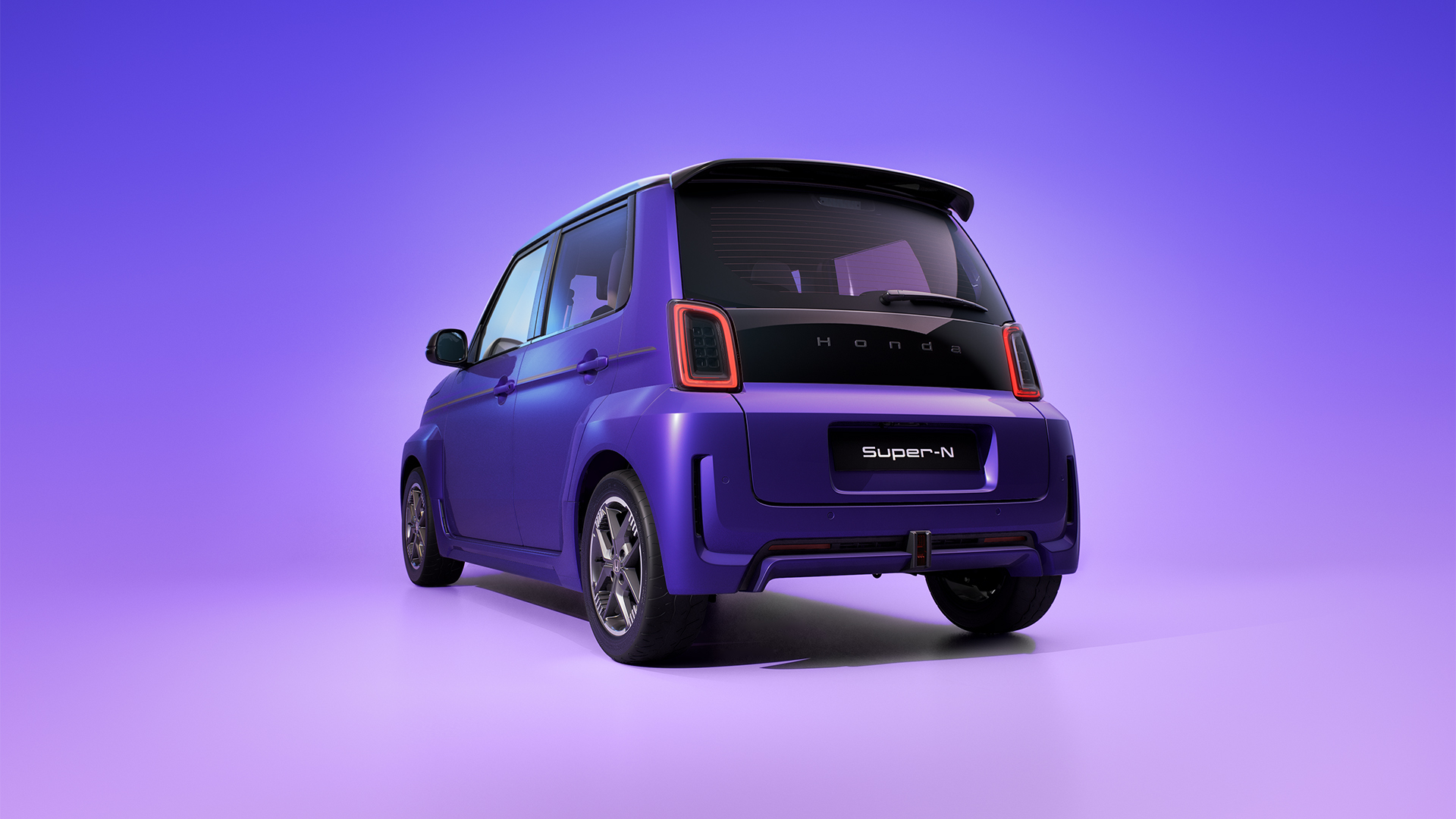
Current electric models such as the Honda Super-N apply these principles to everyday driving, combining electric power with familiar control layouts and predictable handling.