The electricity tariff you choose can affect your EV running costs almost as much as the car itself. Here is how to choose the smartest option for charging at home.
Why your tariff choice matters
For Electric Vehicle (EV) drivers in the UK, charging at home is usually the most convenient and cost-effective option. But the price you pay for that electricity can vary a lot depending on your tariff.
This matters because electricity use is becoming more flexible. As smart meters and half-hourly settlement roll out across the market, suppliers are increasingly able to offer tariffs that reward households for using power at cheaper times of day, especially when demand is lower or renewable generation is higher.
For EV drivers, this means opportunity: get the right tariff, charge smarter, pay less, and make better use of cleaner electricity.
The three main electricity tariff types
Most UK households will come across three broad tariff types when comparing EV charging options: flat-rate, dual-rate or time-of-use, and dynamic tariffs.
Flat-rate tariff
A flat-rate tariff charges the same price per kWh all day and all night.
It is the simplest option. Your unit price stays the same regardless of when you plug in, which makes bills more predictable and easier to understand.
The trade-off is that you do not benefit from cheaper charging periods. So, if you regularly charge at home, a flat-rate tariff can be the least flexible and most costly option for an EV household.
Dual-rate or time-of-use tariffs
A dual-rate tariff (AKA; time-of-use, Economy 7, off-peak, EV tariff) gives you cheaper electricity during set off-peak hours and a higher price at busier times.
In the UK, many EV tariffs follow this model. Some offer a fixed overnight charging window, while others combine that with smart scheduling through a charger or app. For many drivers, this is the sweet spot between simplicity and savings.
If your car is usually parked overnight, charging in those cheaper windows can significantly reduce running costs. And for drivers of smaller EVs used mainly for commuting, school runs or local trips, those off-peak windows will be more than enough to cover most weekly charging needs.
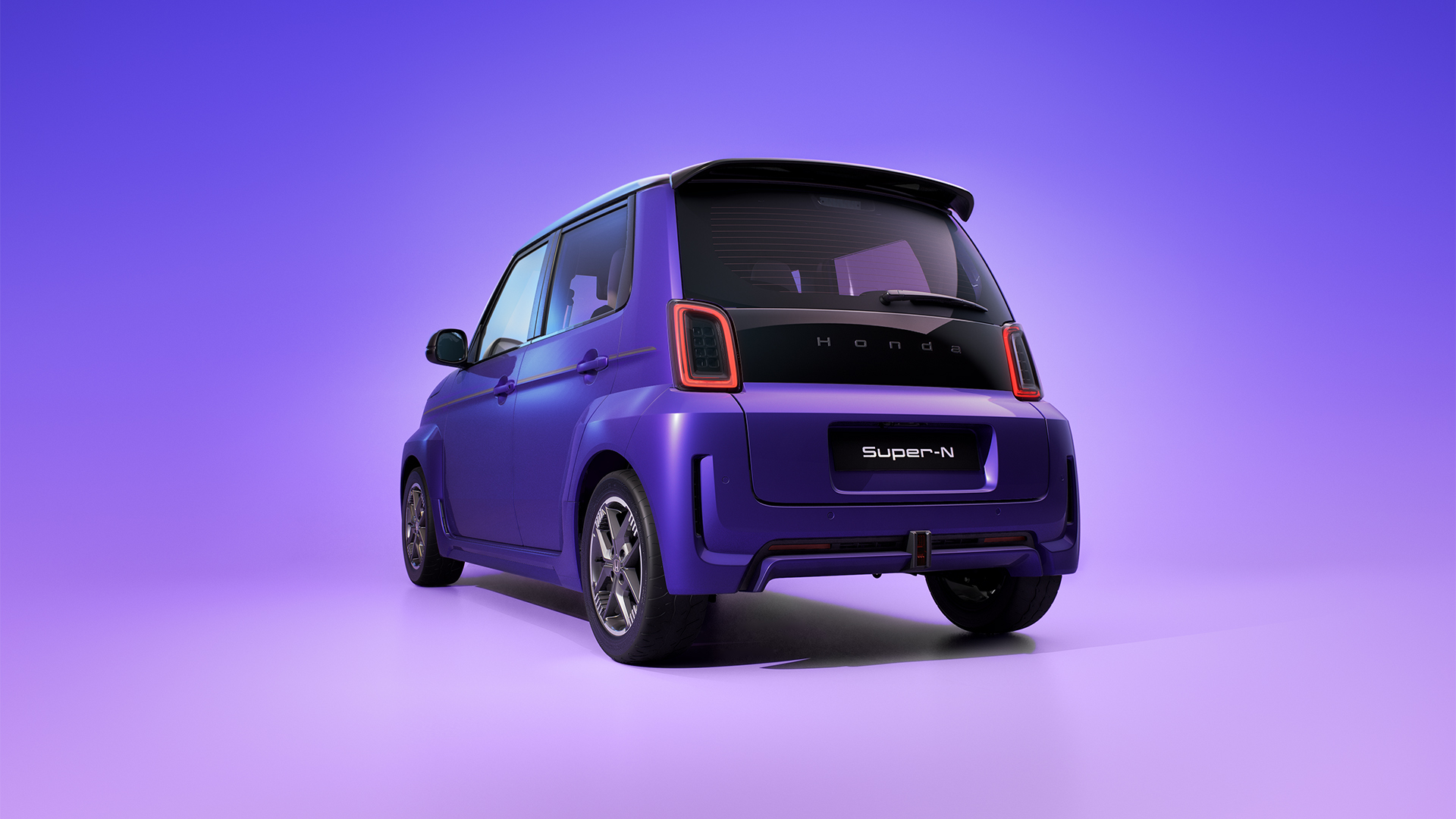
The Honda Super-N for example, a typical off-peak window of midnight-7am would be sufficient to recharge the battery and can be automatically scheduled in e:PROGRESS, Honda’s smart charging app.
Dynamic tariffs
Dynamic tariffs take flexibility and potential savings a step further. Instead of having one daytime price and one overnight price, they change throughout the day in line with the wholesale market.
In the UK, this often means prices can shift in half-hourly periods. When wholesale electricity is cheaper, for example during lower demand or stronger renewable output, charging can cost less. When demand is higher, prices may rise.
That creates the biggest opportunity for savings, but also the biggest need for automation. Most drivers do not want to monitor half-hourly price signals themselves, and they should not have to.
This is where smart charging services becomes especially valuable. Rather than asking the driver to keep checking prices, a connected system can schedule charging into the lowest-cost periods automatically.
How smart charging helps
Smart charging takes the manual effort out of home charging.
Instead of simply starting as soon as you plug in, your charger or app can decide when to charge based on your tariff, your preferred departure time, and in some cases the cheapest available periods.
In practice:
- On a flat-rate tariff, smart charging is mainly about convenience.
- On a dual-rate tariff, it helps make sure charging happens in your cheaper off-peak window.
- On a dynamic tariff, it can respond to changing half-hourly prices and optimise charging for cost and, in some cases, cleaner energy availability.
For EV drivers, the benefit is simple: less hassle, lower costs, and more confidence that charging is happening at the right time.

Which tariff is best for you?
The ‘best’ tariff ultimately depends on your lifestyle, your home setup, and how flexible your charging can be.
- A flat-rate tariff may still suit drivers who want complete predictability and do not charge often.
- A dual-rate or EV tariff is often the best fit for people who charge regularly at home and can leave the car plugged in overnight. It is simple, practical, and widely available.
- A dynamic tariff can unlock the greatest savings; it will work best when paired with smart charging. Without automation, keeping up with changing prices could become inconvenient.
For many drivers, especially those with smaller EVs and less charging time needed, the key goal is to shift all their charging to the cheaper periods – a dual-rate or dynamic tariff will enable these drivers to do this.
Smarter charging, simpler choices
As the UK energy market becomes more flexible, EV charging has the chance to be more intelligent – allowing drivers to make savings, support the grid and reduce the emissions from those charging sessions.
e:PROGRESS helps to connect mobility and renewables in a simple and easy-to-use app helping EV drivers with their everyday routines. Download now and automate the home charging of your Honda.