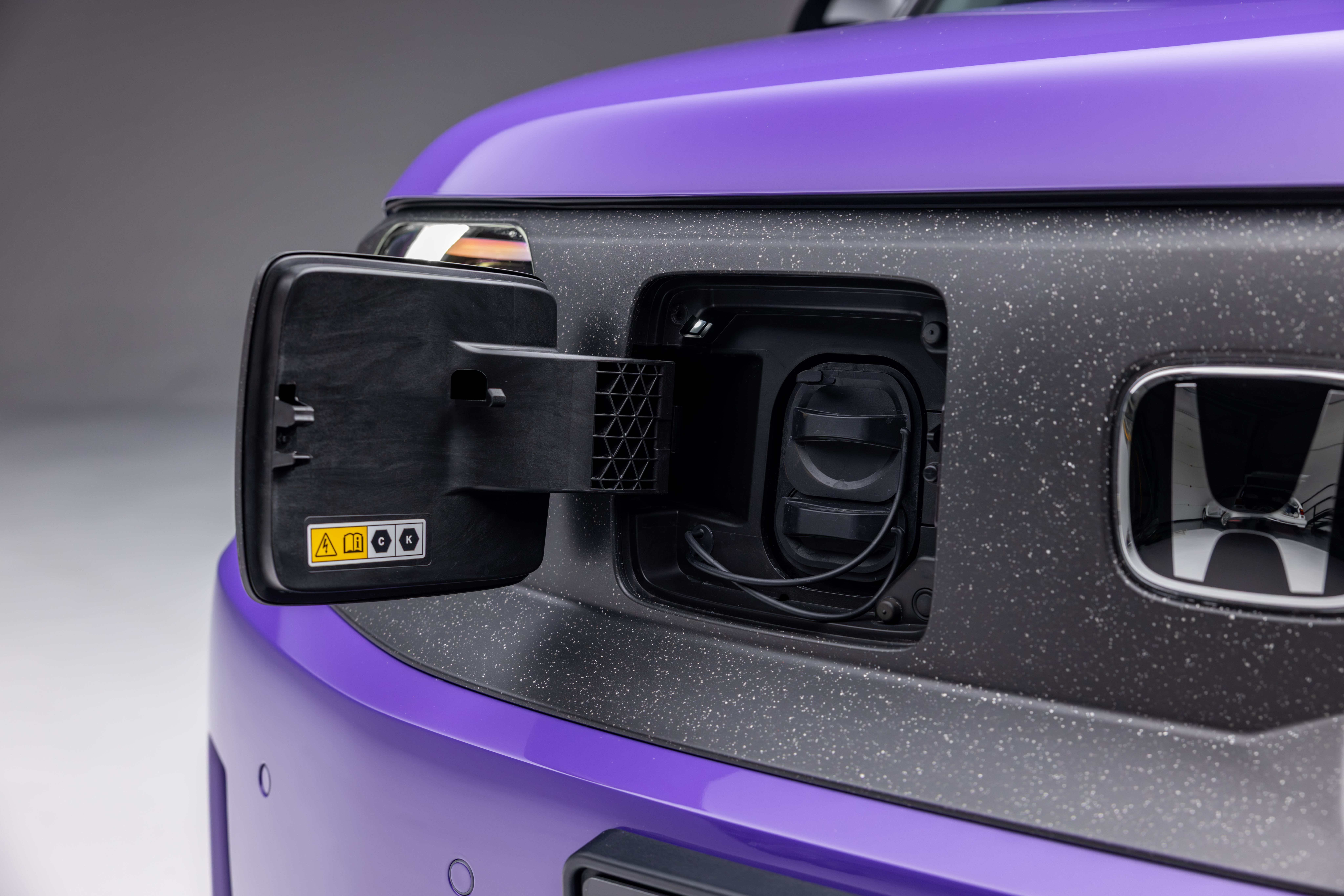
Thinking of a compact EV? See how smart home charging in the UK lowers energy bills, automates overnight charging, and supports everyday driving needs.
Compact electric vehicles are entering the market.
Designed for urban driving, they reflect how many people in the UK use their cars: shorter journeys, local travel, and vehicles parked at home overnight.
Recent driving data shows that almost seven in ten UK drivers travel less than 20 miles per day, with the average car journey around eight miles. These patterns make compact EVs a practical and increasingly popular choice for urban households.
For most drivers, home charging will be their primary source of energy. How that charging is managed can have a direct and measurable impact on running costs, convenience and long‑term flexibility.
Compact EVs and Everyday Driving
Compact EVs align well with real‑world driving behaviour. UK drivers now average around 7,100 miles per year, a significant reduction compared to twenty years ago, driven by hybrid working, improved local services and changing travel habits.
For example, if a household uses their EV mainly for commuting, shopping and school runs. Daily mileage is modest, and the car is parked on the driveway or street from early evening until the next morning.
This means there is rarely a need for rapid charging. Instead, the value lies in staggered charging, at the cheaper times, when the car would otherwise be parked and unused.
Smaller EVs Still Change How a Home Uses Energy
Although compact EVs typically have smaller batteries, charging will still represent one of the largest single uses of electricity in a home.
Consumer energy experts estimate that charging an EV at home typically adds £30-£60 per month to a household electricity bill, depending on mileage and energy prices. During charging, an EV can use more electricity over a few hours than all other household appliances combined.
To put this into context, plugging in an EV at 5:00-6:00pm can coincide with cooking, heating, lighting and electronics, often the most expensive time to use electricity.
So, while the vehicle’s battery may be smaller than others, unmanaged charging can still drive-up costs. The timing of charging matters just as much as total driving mileage.
Why Smart Charging Matters From Day One
Smart charging simply ensures that your EV charges when it makes the ‘most sense’, rather than starting immediately when plugged in.
For example, if you plug in your EV after work. Instead of charging straight away, the system waits until later at night when household energy use is lower and tariff prices are lower. Yet still, your car will be charged and ready by morning, without any manual intervention.
Research consistently shows that households benefit most from automated charging, because it removes the need to remember off‑peak windows or adjust settings daily.
How Automated Charging Fits Around Life
Daily routines change. Some days the car arrives home nearly empty; other days it hardly needs charging at all.
Say after a long journey, the car’s battery needs more power. A smart charging system will adapt automatically, delivering what’s needed by your chosen departure time, so you're still ready to set off just the same the next day.

Make Use of Cheaper Electricity
Electricity prices vary throughout the day. Many EV‑friendly tariffs offer overnight prices that are less than half, and sometimes a third, of standard daytime rates.
Comparative tariff analysis shows that drivers who regularly charge overnight on a smart tariff can reduce charging costs by £400–£500 per year, without changing how much they drive.
So instead of paying standard electricity rates, a household’s EV charges automatically during cheaper overnight periods.
Even if prices shift from day to day on a dynamic electricity tariff, smart charging still adjusts automatically.

Preparing for the Future Home Energy Mix
An EV is often the first step toward smarter home energy use. Nearly 30% of UK EV drivers already have solar panels, a much higher proportion than the national average.
Studies show that when EV charging is flexible, households can increase the amount of solar electricity they use themselves from around 20% to more than 70%, rather than exporting it back to the grid.
For example, a smart charging setup allows the car to use surplus solar power during the day, while still charging cheaply overnight if needed for further charging.

Make Informed Energy Choices Regardless of Size
Compact EVs make electric driving more accessible, especially in urban areas. They reflect how many people drive today - shorter journeys, lower mileage and more time parked at home.
But while the vehicles may be smaller, charging them efficiently still offers benefits.
By choosing smart charging from the start, households can:
- Keep running costs under control
- Avoid unnecessary peaks in electricity use
- Reduce daily effort and manual planning
- Prepare for future energy changes
The vehicle may be compact but the opportunity for intelligent energy management is still significant.
e:PROGRESS supports you in charging cheaper and easier, Honda’s very own charging app, helping compact EV adoption fit smoothly into everyday homes.