Are hybrid cars worth it? Benefits of hybrid cars

For many drivers, the answer is yes. Hybrid cars offer real, everyday advantages over conventional petrol models, from better fuel economy and smoother driving to lower maintenance demands over time. Honda has been developing hybrid technology since 1999, when the Insight became Europe’s first petrol-electric hybrid. That depth of experience shows in how well the current range performs in real-world conditions.

Whether you’re weighing up a hybrid against a petrol car or trying to understand what the day-to-day difference looks like, this article covers the practical benefits of hybrid cars and helps you decide if one fits your driving life.

What is a hybrid car?

A hybrid car combines a petrol engine with an electric motor and battery. The two power sources work together automatically, with the car switching between them depending on speed and driving conditions. At lower speeds, the electric motor tends to take over. At higher speeds or when more power is needed, the petrol engine runs.

Honda’s full hybrid system is called e:HEV (Hybrid Electric Vehicle). It uses two electric motors and operates across three drive modes, switching between Electric Drive, Hybrid Drive, and Engine Drive with no input from the driver. In urban conditions, the e:HEV system can spend up to 91% of its time in Electric Drive mode.*

Honda’s electrified range includes both full hybrids and a plug-in hybrid. Full hybrids, including Honda e:HEV models, recharge through driving and regenerative braking

e:PHEVs (Plug-in Hybrid Electric Vehicle) such as the CR-V e:PHEV are instead connected to an external charger to support a longer electric-only range.

Electric drive

Driven by the battery alone, like an electric vehicle.

Hybrid drive

Driven by two electric motors, powered by the petrol engine for high efficiency.

Engine drive

Driven by the petrol engine alone, for sustained high-speed cruising.

Regenerative braking

Tops up the EV battery on the go with no need to plug in.

What are the advantages of hybrid cars?

The hybrid car benefits that matter most to everyday drivers tend to be practical rather than theoretical. The technology delivers the following in everyday use.

Better fuel efficiency

Hybrid cars use the electric motor at lower speeds and in stop-start traffic, where petrol engines are least efficient. This reduces how often the combustion engine runs, which means less fuel is used over the course of a typical week.

No charging infrastructure needed (self-charging models)

Self-charging hybrids like Honda’s e:HEV models recharge while you drive. There is no charging point, home charger, or charging schedule involved. You refuel with petrol as normal.

Less engine wear over time

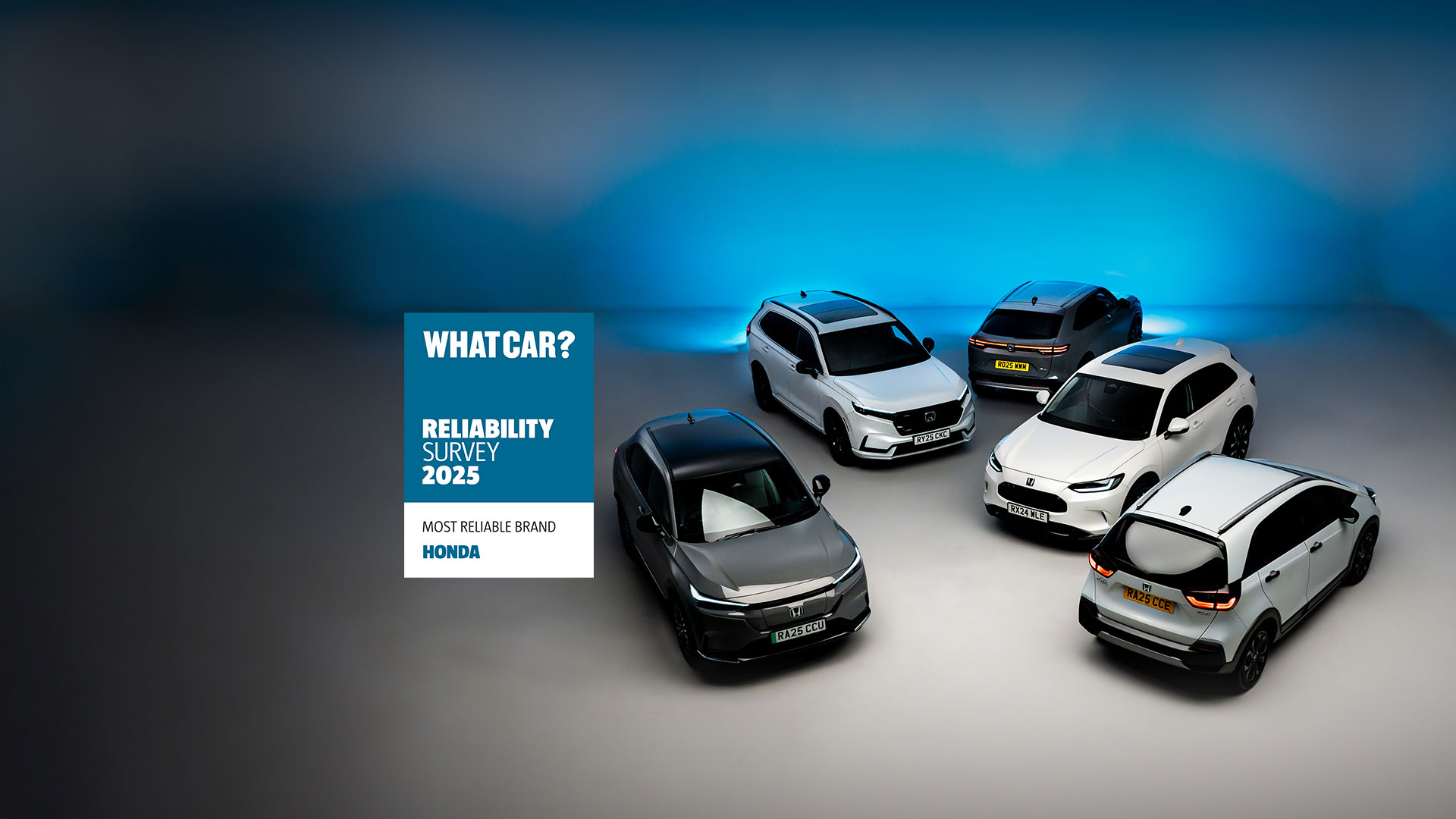
Because the electric motor shares the load, especially at lower speeds and in traffic, the petrol engine runs fewer hours relative to the miles driven. This can contribute to greater long-term reliability. Honda’s hybrid reliability record reflects this, with Honda achieving a 96.6% reliability rating in the What Car? Reliability Survey 2025, the highest of any manufacturer surveyed.

Smoother, quieter driving

Electric motors are silent and deliver smooth, instant torque. At low speeds, a hybrid car pulls away quietly and without the vibration of a cold petrol engine. The transition between electric and petrol power is seamless. You will not hear or feel it happen.

Reduced brake wear

Regenerative braking captures energy when you slow down, doing much of the braking work without engaging the conventional brake pads. Brakes on hybrid cars typically last longer than on equivalent petrol models as a result.

Flexibility across journey types

Hybrids handle both city commutes and longer motorway drives without compromise. The system adapts automatically, so there are no decisions to make about which mode to use.

Things to consider before buying a hybrid

Petrol engines are most inefficient when running at low speeds and in stop-start traffic, which is exactly when many UK drivers need their cars most. A hybrid addresses this directly by using the electric motor in those conditions instead, letting the combustion engine rest.

The Honda HR-V Hybrid, for example, can travel up to 459 miles on a full 40-litre tank.* On urban routes, where the e:HEV system prioritises electric drive, the efficiency advantage over a comparable petrol car is most pronounced. On motorway driving at steady speeds, the gap narrows, but across the mixed driving most people actually do, hybrids consistently return better economy than their petrol equivalents.

Do hybrid cars need to be plugged in?

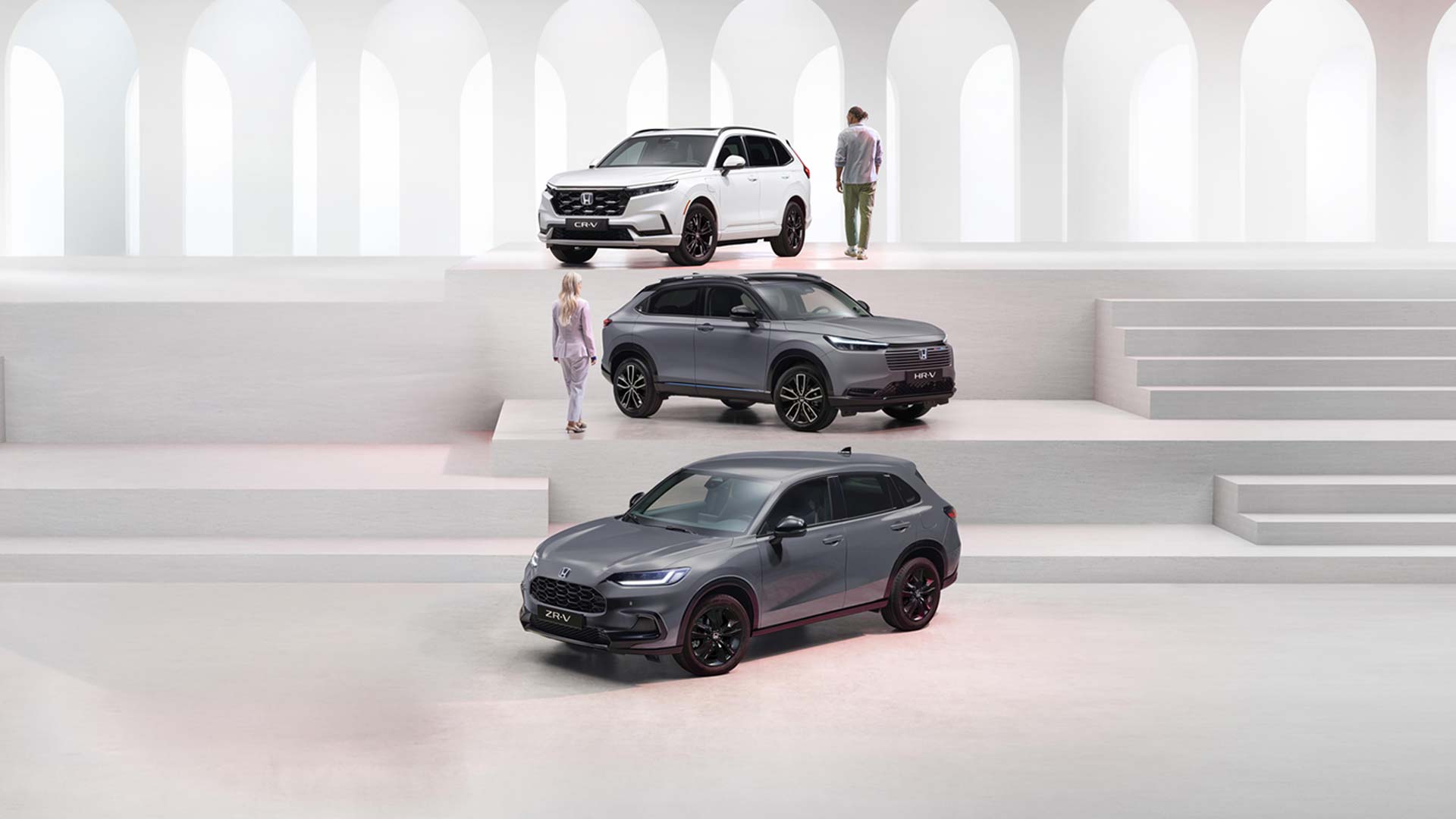
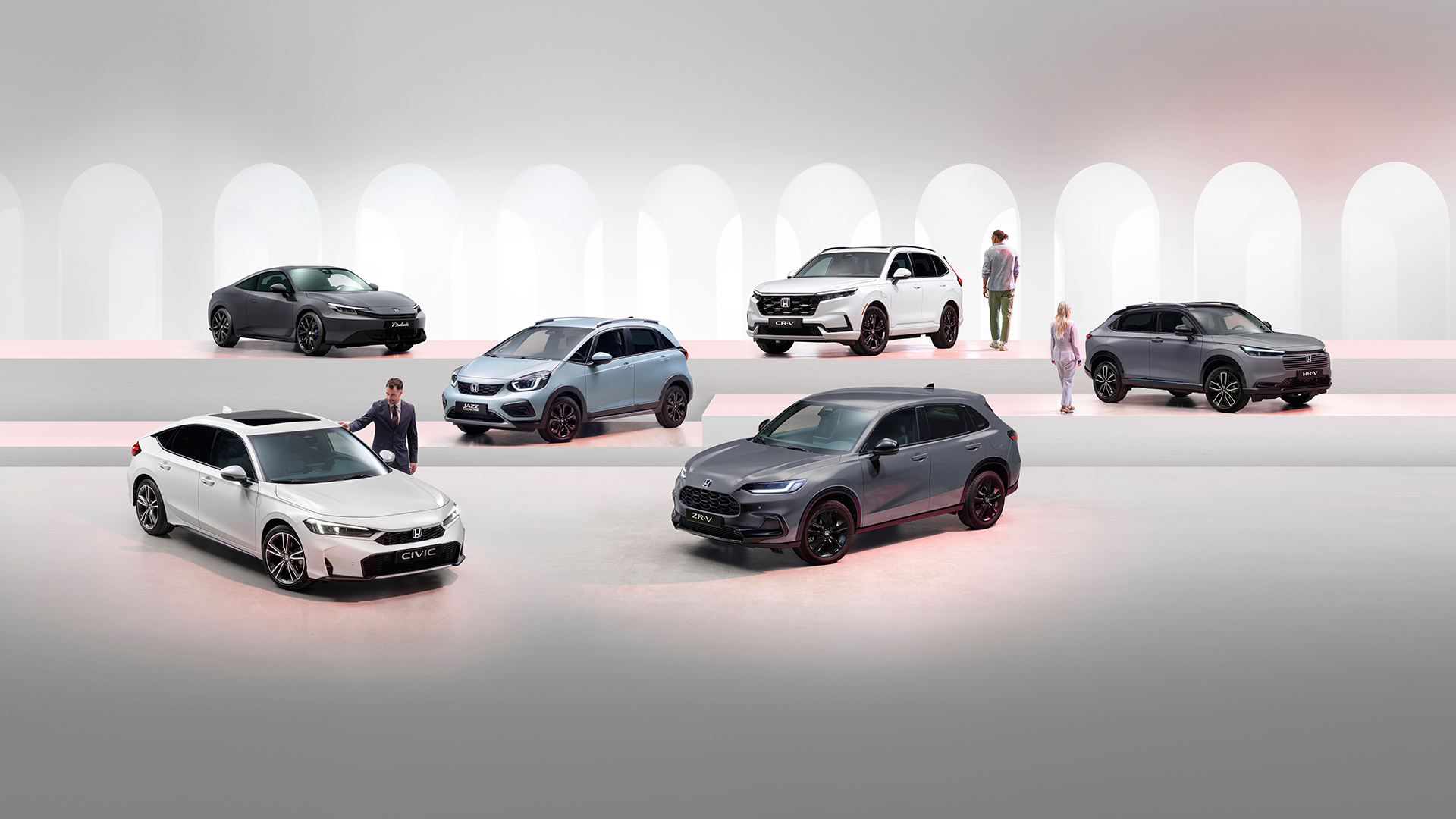
Self-charging hybrids do not need to be plugged in. Honda’s e:HEV models, including the Jazz, Civic, HR-V, Prelude, and ZR-V, recharge their batteries through driving and regenerative braking. You fill up at a petrol station as you always have. There is no charging point required, no home charger to install, and no range anxiety to manage.

This is one of the most practical hybrid car benefits for drivers who want the advantages of electrified driving without changing their refuelling routine. It removes the main barrier that holds many drivers back from electric vehicles.

Honda’s plug-in hybrid, the CR-V e:PHEV, does have a charging port and offers up to 50 miles of pure electric driving when fully charged. But even without charging, it continues to function as a full hybrid. 

Charging

Recharge by plugging in, enabling electric‑only driving when you want it most.

Are hybrid cars worth it for everyday drivers?

The short answer is yes, particularly if your driving involves a regular mix of urban and suburban roads. The more stop-start your daily journey, the more opportunity there is for the electric motor to do the work, and the more pronounced the fuel and wear benefits become.

If you do primarily long motorway journeys at steady speeds, the efficiency advantage narrows. A hybrid is still a valid choice, but the strongest benefits are felt by drivers with varied, urban-heavy routes.


Hybrid cars tend to work especially well for the following drivers


•       Urban and suburban commuters who encounter regular traffic

•       Drivers who want electrified driving without needing a home charger or off-street parking

•       Families who need a practical, flexible car for mixed use.

•       Drivers transitioning away from petrol who are not yet ready for a fully electric car

•       School run and urban commute drivers, where stop-start roads let the electric motor do its best work.

Leather seats of a Honda car

Should I buy a hybrid car?

Hybrid cars sit between electric and petrol vehicles in both technology and everyday use. Petrol cars rely entirely on the combustion engine. Fully electric vehicles rely entirely on battery power and require regular charging. Hybrid cars use both, adapting automatically to driving conditions.

Compared to petrol cars, hybrids offer better fuel economy, lower emissions in urban conditions, and reduced wear on the brakes and engine. Compared to electric cars, self-charging hybrids offer greater range flexibility and no dependence on charging infrastructure, though they do still use petrol and produce tailpipe emissions.

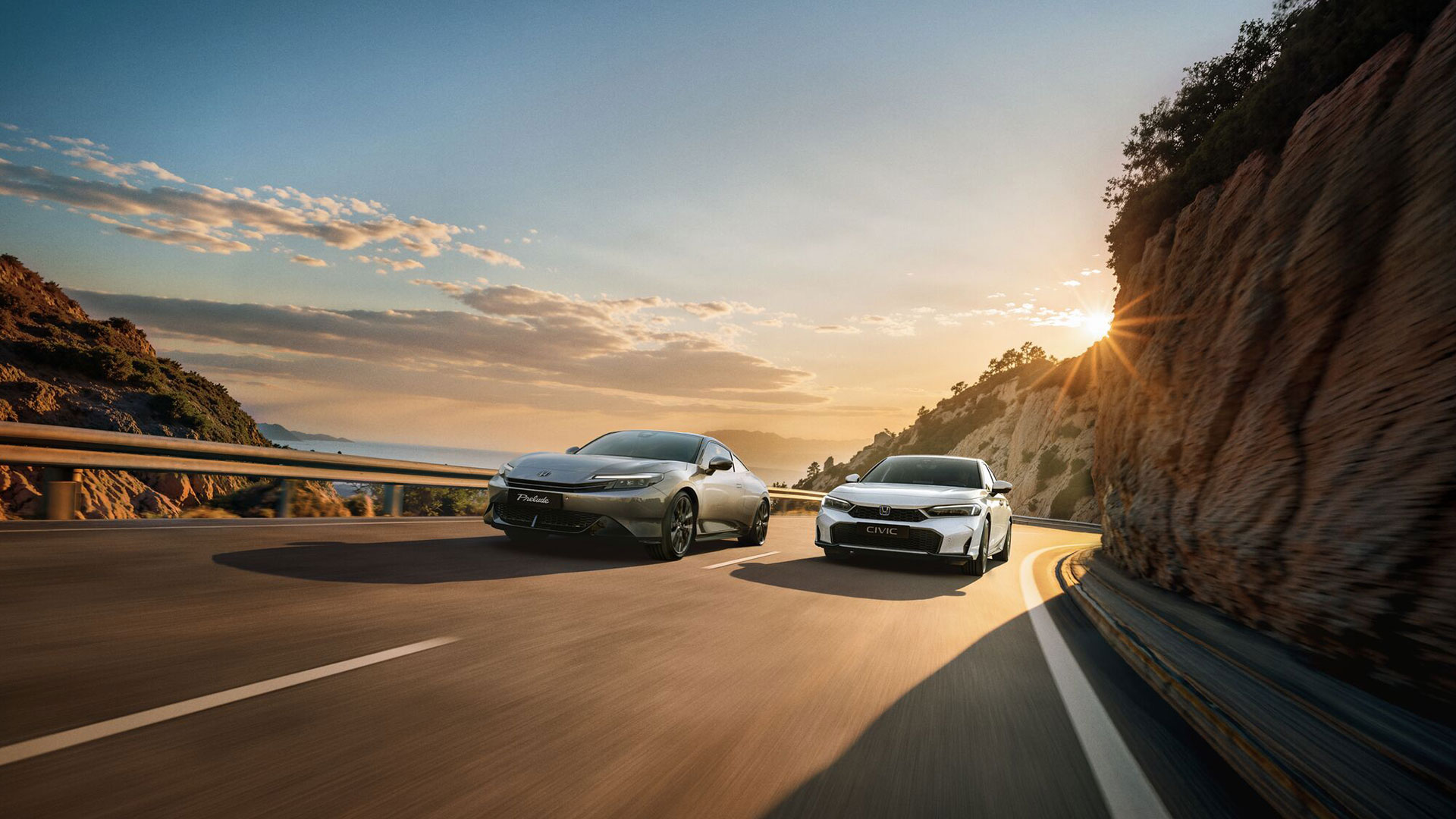
Honda electrified range including a grey Prelude, white CR-V, grey HR-V, white Jazz, blue ZR-V, and white Civic.

Want to know more?
Contact the Honda Sales Centre
0345 200 8000 (option 3)
honda.digital.support@honda-eu.com.